

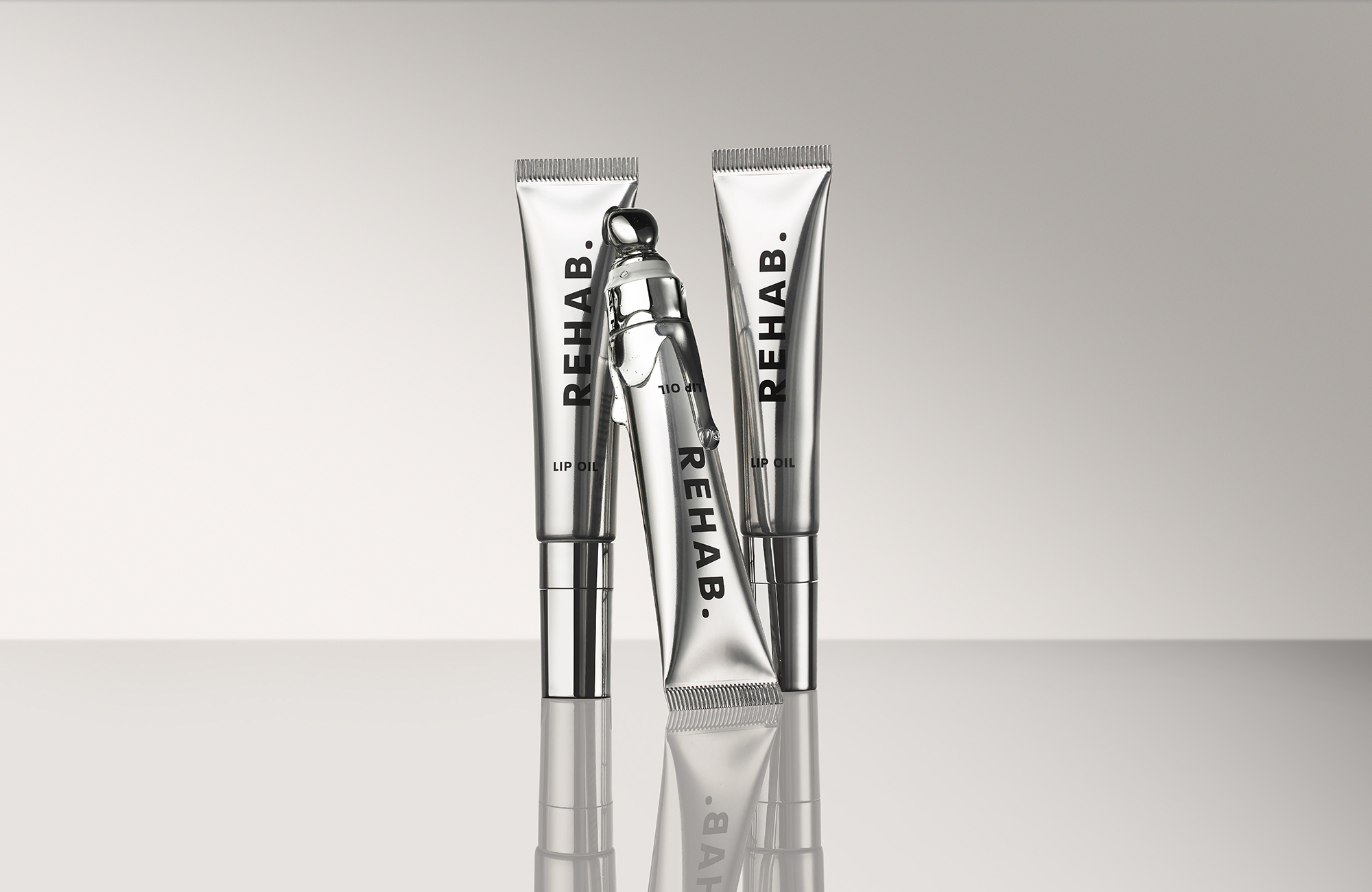
A product photography shoot day costs the same whether you walk away with eight assets or eighty. The variable is the planning, not the price.
What separates a productive day from a stretched one is rarely the photographer. It is the matrix that sits behind the shoot list. Senior marketing teams know this instinctively. They are not commissioning images. They are commissioning launch coverage across PDP, campaign, social, retail and press, and they want the production day to deliver as many of those outputs as the lighting and the schedule can carry.
This guide is for the people scoping that day. It is about how to plan one production so it earns its rate three times over rather than once.
One day. Three audiences. Different demands.
PDP imagery, campaign stills, and social content are not the same kind of image. They look adjacent on a moodboard but they ask different things of the production.
A PDP image has to be honest, retailer-compliant, true to the product, and read clearly at thumbnail size. A campaign still has to create desire, set a brand mood, and live as a hero on the homepage or in print. A social asset has to stop the scroll, work in the platform’s native crop, and survive heavy compression.
Treat them as the same thing on shoot day and one of them will quietly underperform. Usually social, because it is the one that gets fitted around the others rather than planned for in its own right.
What a PDP image must do that a campaign still does not
PDP imagery has to stand alone without the brand voice around it. It is the image a customer sees in a search result, on a category page, or in their basket. It has to:
Show the product accurately, including finish, colour, and scale. Strip out distraction so the product reads at small sizes. Match retailer specifications for background, frame fill, and aspect ratio where applicable. Sit consistently across the full SKU set so a category grid does not look like four separate shoots.
Campaign imagery does not have most of those constraints. A campaign hero can be styled, atmospheric, and ambiguous about scale because the brand context is doing the heavy lifting around it. The two require different lighting decisions, different prop choices, and often different retouch directions.
When the same image gets pressed into both jobs, one of them suffers. The PDP version becomes too styled to read clearly at thumbnail. The campaign version becomes too clean to do brand-building work.
Why social rarely fits inside the same set-up
Social content has its own composition problem.
A typical product shoot is built for a 4:3 or 3:2 frame. Most social platforms ask for vertical (4:5 or 9:16) or square. Cropping a horizontal image into a vertical frame loses the breathing room that made the original work. The product ends up jammed against the top of the frame or lost in a wide environment that does not exist in the social crop.
Planning for social means either capturing dedicated vertical frames during the day, or building the original composition with the vertical crop in mind. Both work. What does not work is shooting purely for landscape and asking the retoucher to invent a vertical version.
If the launch leans heavily on social, the production has to budget capture time for it specifically.
How to scope a single day across three formats
The good news is that all three formats can usually share a production day if you plan in three stages.
Asset matrix before set build
The asset matrix lists every required output by destination, format, and crop, before the set is built. PDP variants. Hero campaign stills. Social cut-downs. Retailer-specific exports. Press release attachments. Each gets a row.
The matrix is what the studio uses to sequence the day. Without it, the order of the day is whatever the photographer remembers. With it, the lighting state is held for as long as it serves multiple destinations, then changes deliberately.
Order of capture by lighting state
The cheapest way to lose a shoot day is to break the lighting set up between shots that needed it. Every relight is fifteen to thirty minutes that does not produce frames.
A well-sequenced day captures every image that needs the same lighting state in one block. PDP frames at their lighting setting. Campaign stills at theirs. Social verticals where they sit. The order on the day is determined by which lighting setups can carry the most assets.
This is the kind of planning a senior producer will do reflexively. It is also why the asset matrix has to land before the set build, not during it.
Approvals between formats, not after
Build approval gates between format blocks rather than at the end of the day.
Once the PDP block is done and reviewed, the team can approve and move on. Same for campaign. Same for social. If approvals get held to the end, any rework lands at 6pm with the team tired and the set already broken down. Approvals between formats keeps the corrections small and the day moving.
When to split into two days, and when not to
There is a real point where one production day stops working. It is usually a function of three things: SKU count, format count, and creative complexity.
Splitting is the right call when: the SKU count is high enough that variant capture eats most of the day. The campaign creative needs significant set construction. The social brief involves motion or behind-the-scenes capture that has its own time demand. The retoucher needs to see day one work before day two can be locked.
It is the wrong call when: the formats are stylistically aligned, the SKU count is moderate, and the campaign creative can work as an evolution of the PDP setup. In those cases a well-sequenced single day delivers more than two badly sequenced ones.
A worked example: a skincare launch across 18 SKUs
A typical launch we plan: a mid-size beauty brand launching a six-product range, each in three sizes, with PDP, hero campaign, two social cut-downs, and Boots retailer-specific exports required.
Day plan: morning block for PDP, all 18 SKUs captured against the same lighting setup with deliberate consistency across the range, retailer-specific crops captured at the same time. Mid-day block for the hero campaign image and three secondary campaign stills. Afternoon block for social verticals and any motion required.
The asset matrix sits at the front of the Kickoff Deck and drives the order of the day. Approvals happen between blocks. The team leaves with every required output rather than a follow-up shoot in the calendar.
That is what a day rate should buy. Coverage, not just images.
If you would like help scoping a single day across multiple destinations, send the channel list and we will structure it around the launch.
Share your brief. We will come back the same day.