

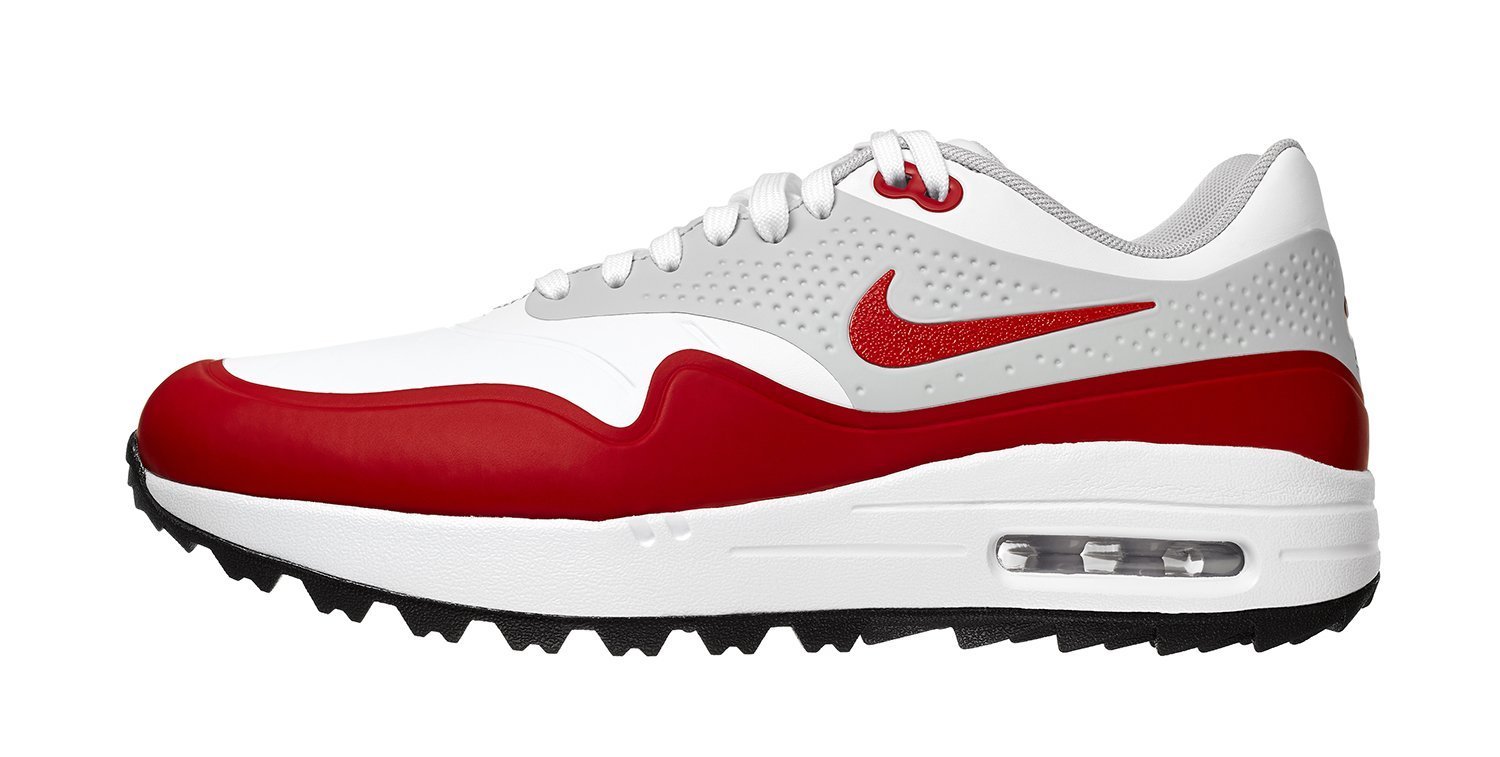
Shoe photography is one of the few categories in fashion still-life where the underside of the product is part of the buying decision.
For trainers, the sole pattern, the cushioning unit, the tread design, and the heel construction are all visible decision factors. For luxury dress shoes, the leather sole, the brand stamp, the welt construction, and the heel block carry the same weight. The buyer turns the shoe over. The photograph has to do the same.
This guide is for fashion and luxury brand teams commissioning shoe photography in London. It is about what a specialist studio captures beyond the standard side profile, and what to brief differently from other footwear-adjacent fashion work.
Why shoe photography is its own discipline
Most fashion photographers can shoot a shoe in side profile. That single angle is the e-commerce default, and it works for category grids and search results. The discipline of shoe photography starts at the second angle.
A specialist shoe shoot captures the side profile as the hero, then adds the angles that close the customer’s purchase decision. Top-down. Three-quarter. Heel. Sole. The interior if the shoe’s lining is part of its appeal. The hardware if there are buckles, laces with branded tips, or decorative elements.
Generalist studios sometimes treat shoes as small handbag-adjacent products and stop at three angles. Specialist studios know that a customer about to spend £400 on a leather brogue or £180 on a trainer is going to look at more than three angles, and the missing angles are the ones that cause the customer to abandon the cart.
The sole: often skipped, often the decider
The sole shot is the angle most commonly missing from amateur shoe photography, and the angle most likely to convert for committed buyers.
For trainers, the sole tells the customer:
The tread pattern and what it suggests about traction and use case. A lifestyle trainer’s sole reads differently from a court shoe or a trail trainer.
The cushioning unit and any visible technology. Air, gel, foam, plate, all communicate price and performance.
The wear pattern visible in the rubber compound. New shoes show distinct rubber tones; the photograph should respect that without making the sole look used.
The brand markings often present on the sole. Logo placement, model name, country of manufacture.
For dress shoes, the sole tells the customer:
The leather sole quality. Single-sole, double-sole, half-rubber, full-rubber.
The Goodyear welt construction or the equivalent in other shoe-making traditions.
The heel block, the toe spring, and the overall construction approach.
The brand stamp, often on the arch, that signals authenticity.
A specialist shoe shoot includes the sole as a standard angle in the asset matrix. A generalist shoot treats it as optional and frequently omits it.
The profile: silhouette is the brand
The side profile is the angle that sells the shape.
Brogues, derbys, oxfords, chelsea boots, trainers, sandals: each has a recognisable silhouette that announces the type to anyone who knows the category. The customer recognises the silhouette before they read any other detail. A profile shot that misrepresents the silhouette by even a few degrees changes the type the customer perceives.
The lighting decisions that serve the profile:
A clean, directional light from above and slightly to the side, with controlled fill, gives the silhouette its weight without dramatic shadow.
A camera position level with the shoe at heel height, not angled down from above, preserves the proportions the customer expects.
A surface that complements the shoe without competing with it. White seamless for clean commercial work. Coloured or textured surfaces for editorial and brand campaign work.
The profile is also where the heel reads. For boots, the shaft height and the heel block determine the formality. For trainers, the heel collar and the lacing detail signal the model. For dress shoes, the heel construction signals the maker.
Detail: stitching, hardware, lacing, lining
Detail work is where the customer’s confidence in the purchase consolidates.
Stitching tells the customer about construction quality. Goodyear-welted shoes have visible welt stitching that signals investment-grade construction. Hand-stitched moccasins show the irregular stitch that signals craft. Decorative broguing on derbys and oxfords carries brand identity.
Hardware on dress shoes includes buckles on monk straps, eyelets on derbys, decorative metalwork on women’s heels. On trainers, hardware is lacing detail, branded aglets, tongue tags, and any applied logos or labels.
Lining is the part of the shoe the customer feels rather than sees, but the lining reveal in photography signals the price point. Leather-lined dress shoes show their lining at the heel collar and the tongue. Trainers with premium materials inside have an interior story worth a dedicated shot.
The asset matrix for a hero piece should include at least one stitching macro, one hardware macro, and one interior or lining shot. Supporting pieces in the range can drop the macros without losing commercial coverage.
Heritage: brand details, lining stamps and hallmarks
For luxury and heritage shoe brands, the heritage details are part of what the customer is paying for.
A Crockett & Jones brand stamp on the sole. A John Lobb model number embossed in the arch. A Church’s lining stamp. A Common Projects gold serial number on the heel. These are recognised by the customer who knows the category and reassure the customer who is learning.
For trainer brands, the heritage details are similar but located differently. Nike’s swoosh placement and the Air branding. Adidas’s three stripes and trefoil. New Balance’s N and country-of-origin marking. Each carries meaning beyond decoration.
A specialist shoe shoot includes the heritage detail as an asset, often as a macro that lives on the press release, the brand storytelling content, and the deep-scroll of the PDP. A generalist shoot misses it.
The pair-versus-single decision
Most shoe PDPs use a single shoe as the hero. Some use the pair. The decision matters more than it appears.
Single-shoe photography focuses attention on form and detail. The shoe stands on its own, the customer reads it as an object, and the macros and additional angles flow naturally.
Pair photography signals retail readiness and lifestyle context. The customer sees the shoe as it will sit in their wardrobe or on the shop shelf. Pair shots also support category grid consistency at the brand level.
The right answer depends on the brand and the category. Heritage dress shoe brands often default to single shoes for the hero, with pair shots in editorial content. Trainer brands often default to pairs for the hero, with single shoes for detail work. Either approach is correct; the brief should specify which.
Briefing notes for a shoe shoot
The strongest shoe briefs we receive include:
The model list with material, colourway, and any specific features per pair (welt construction, branded sole, heritage stamps). The asset matrix per shoe, with the angles specified by destination. The pair-versus-single decision per category. Reference imagery from the brand’s existing campaign work. Sample shipping logistics, especially for high-value or restricted samples.
What does not need to be in the brief: lighting instructions or camera setup. Those are the studio’s decisions.
If you are commissioning shoe photography in London for a fashion or luxury launch, send the model list and we will scope the asset matrix and the production approach around the collection. We work across fashion photography and e-commerce photography at the Bankside studio.
Share your brief. We will come back the same day.