

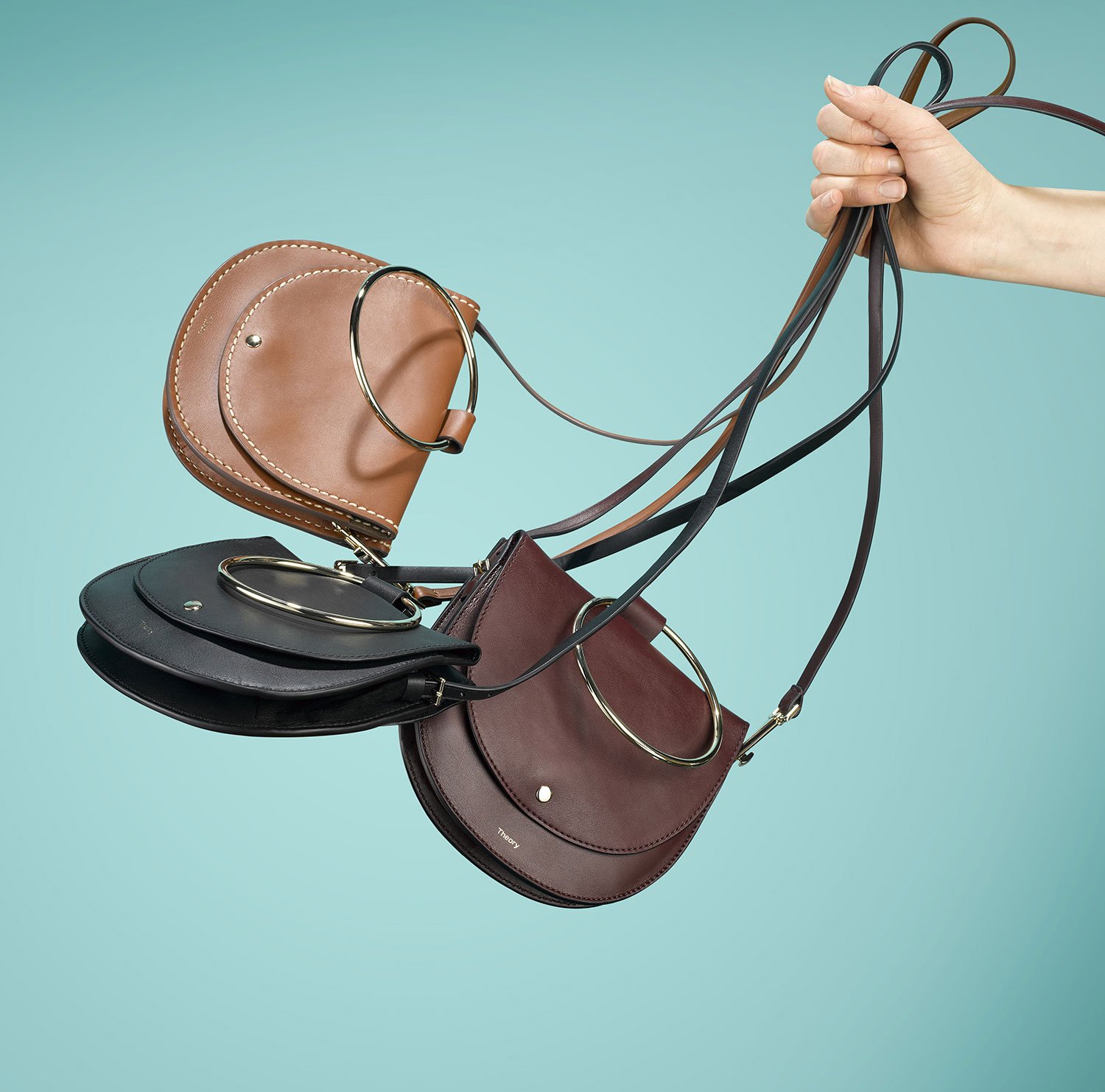
A lookbook is the document that introduces a season to everyone who needs to sell it.
It goes to wholesalers, to press, to retailers, to influencers, to internal teams, and increasingly to the customer through the brand’s own channels. The lookbook sets the season’s mood, defines the brand’s position for the cycle, and gives every downstream conversation a shared reference point.
This guide is for fashion brand and creative leads scoping a seasonal lookbook shoot. It is about how a specialist studio plans the day, what the asset matrix looks like, and what to brief differently from straight commercial e-commerce work.
What a lookbook actually does for the brand
The lookbook earns its budget in three ways.
It sells the season into wholesale. Buyers from John Lewis, Selfridges, Liberty, and independent stockists make their decisions partly on the strength of the lookbook. A weak lookbook costs the brand the same buying conversations a strong one wins.
It positions the brand in press and editorial. Fashion journalists, stylists, and editors use the lookbook to understand the season’s direction. A lookbook that arrives in inboxes already telling the right story does the brand’s PR work for it.
It defines the brand’s visual language for the cycle. Every paid social ad, every email campaign, every PDP banner, every storefront window display, will draw from the lookbook’s visual register. The lookbook is the source code for everything else.
A launch that under-invests in the lookbook ends up paying twice for downstream assets that should have come from a single coordinated production.
Pre-shoot: theme, styling, location, mood
The pre-shoot work decides whether the lookbook lands.
Theme. What is the season about, in one sentence? A clean answer to this question makes every subsequent decision easier. A vague answer leaves the team negotiating direction on the shoot day.
Styling. The styling lead works with the brand to define how the pieces are combined, what additional accessories or props enter the frame, and how the looks build into a coherent collection. For lookbooks, the stylist is usually the single most important hire after the photographer.
Location. Studio versus location is a foundational decision. Studio gives controlled lighting, consistent backdrops, and predictable scheduling. Location gives atmosphere, context, and editorial credibility but introduces weather, permission, and logistical risk. Many brands now do both, with a studio block for clean e-commerce hybrid work and a location block for editorial heroes.
Mood. The mood reference deck (often a Pinterest board, sometimes a printed lookbook from a previous season the brand is referencing) lives alongside the styling brief. Six to twelve mood references narrow the field; forty references widen it past usefulness.
The pre-shoot work happens four to six weeks before the day. Lookbooks compressed into shorter pre-shoot windows usually feel rushed in the finished assets.
The shoot day: model selection, lighting, set
Model selection is partly creative and partly commercial. The right model for the lookbook fits the brand’s customer (or the customer the brand wants), brings something to the styling that animates the pieces, and represents the brand’s positioning on diversity, age, and aesthetic register.
For most fashion brand lookbooks, two to four models is the right number. One model can carry an editorial-led drop; four is the upper limit before the shoot day fragments. Larger casts often signal a campaign rather than a lookbook.
Lighting on a lookbook is more atmospheric than on a commercial shoot. The studio has permission to use directional, mood-led lighting that would not work for PDP work. Shadow becomes part of the visual language. Colour temperature becomes an aesthetic choice rather than a technical constraint.
Set is either built (for studio lookbooks) or scouted (for location lookbooks). Either way, the set should support the theme without competing with the clothes. The strongest lookbooks have sets that recede behind the styling.
The asset matrix for editorial versus commercial use
A lookbook’s asset matrix is broader than an e-commerce shoot’s because the assets serve more downstream uses.
Editorial hero images. Full-bleed full-page worthy. These live on the lookbook cover, on the press release, on the brand’s homepage during launch week. Four to eight per shoot is typical.
Look images. One image per look that shows the full styling. These build the lookbook’s narrative. Twelve to thirty per shoot depending on collection size.
Product close-ups. Macro and mid-range shots that show specific pieces within the looks. These supply the brand’s commercial channels and the retailer asset packs.
Behind-the-scenes content. Lookbook days produce some of the brand’s best BTS social content. A second photographer or videographer capturing the day can add to the asset matrix at modest extra cost.
Brand assets. Portrait shots of models in look, suitable for influencer kits and PR distribution.
A lookbook day that captures all five categories is delivering for many more channels than a single-use editorial shoot would.
How lookbook imagery sits inside the wider brand
The lookbook is the source. Everything else is a derivative.
Paid social draws from look images and editorial heroes, cropped for platform-specific formats.
Email and CRM uses editorial heroes for the launch sequence, look images for the product-led sends.
Retailer asset packs use look images and product close-ups, formatted to each retailer’s spec.
PR distribution uses the editorial heroes at high resolution.
Influencer kits use a curated subset of the editorial work, often with a brief that gives influencers permission to use specific images.
In-store windows and POS use the editorial heroes at print resolution.
The lookbook day, planned properly, replaces what would otherwise be five separate productions. A brand commissioning a lookbook should brief the studio with all five downstream uses in mind, not just the lookbook itself.
Working with stylists, agencies and retailers
A lookbook is usually a three-way collaboration: brand, studio, stylist. Sometimes a fourth party (agency or retailer) is also at the table.
The working relationship that produces good lookbooks:
The brand owns the season story and the commercial constraints. They decide which pieces are the heroes, which retailers need specific assets, which press contacts have agreed coverage.
The stylist owns the look interpretation. They take the brand’s pieces and the season’s mood and translate it into specific outfits, accessories, and styling choices that bring the collection alive.
The studio owns the production craft. They light the looks, sequence the day, manage the on-set logistics, and deliver the assets in the structure the downstream channels need.
The agency or retailer, where present, owns their own asset requirements. They give the studio the formats and crops they need at the briefing stage so the lookbook day delivers their assets alongside the brand’s.
This is collaboration that benefits from being structured rather than improvised. A pre-production meeting with everyone in the room, two weeks before the day, prevents most of the friction that lookbook shoots are otherwise prone to.
Briefing notes for a lookbook shoot
The strongest lookbook briefs we receive include:
The season theme in one sentence. The full piece list with hero flagged. The asset matrix by downstream use. The mood reference deck (six to twelve images, not forty). The styling lead and stylist relationship. The location decision (studio, location, or both). The model selection direction. The press and wholesale distribution context.
What does not need to be in the brief: detailed lighting instructions or technical setup. Those are the studio’s decisions, made against the agreed mood register.
If you are scoping a seasonal lookbook for an autumn or winter drop, share the collection and the season theme and we will plan the production around the launch. We work across fashion photography and creative photography at the Bankside studio.
Share your brief. We will come back the same day.