

Most fashion brands send press the wrong images.
Not bad images. Wrong ones. The hero campaign that works on the brand’s own homepage often does not work in a magazine spread. The PDP imagery that performs on the brand’s e-commerce site is not what an editor wants for a feature. The retailer asset pack delivered to the press team is rarely sized or formatted for the magazine’s production process.
This guide is for fashion brand and creative leads scoping press assets alongside their commercial photography. It is about what magazines and editorial outlets actually need, what they do with the images, and how to brief a shoot so the press-ready assets are produced alongside everything else rather than retrofitted after the launch.
What magazines actually want
Editorial fashion teams have specific needs that differ from commercial production.
High-resolution files. Print magazines need files at 300 DPI at the intended print size. A full-page editorial spread might require 4000 to 5000 pixels on the long side. Web-only editorial outlets often want 2000 to 3000 pixels minimum, with the ability to crop to platform-specific dimensions.
Clean compositions with editorial breathing room. Commercial PDP imagery often crops tight to the product. Editorial imagery needs negative space for the magazine’s layout, headline placement, and pull-quote integration. A composition that works tight on a PDP often does not work loose on a magazine spread.
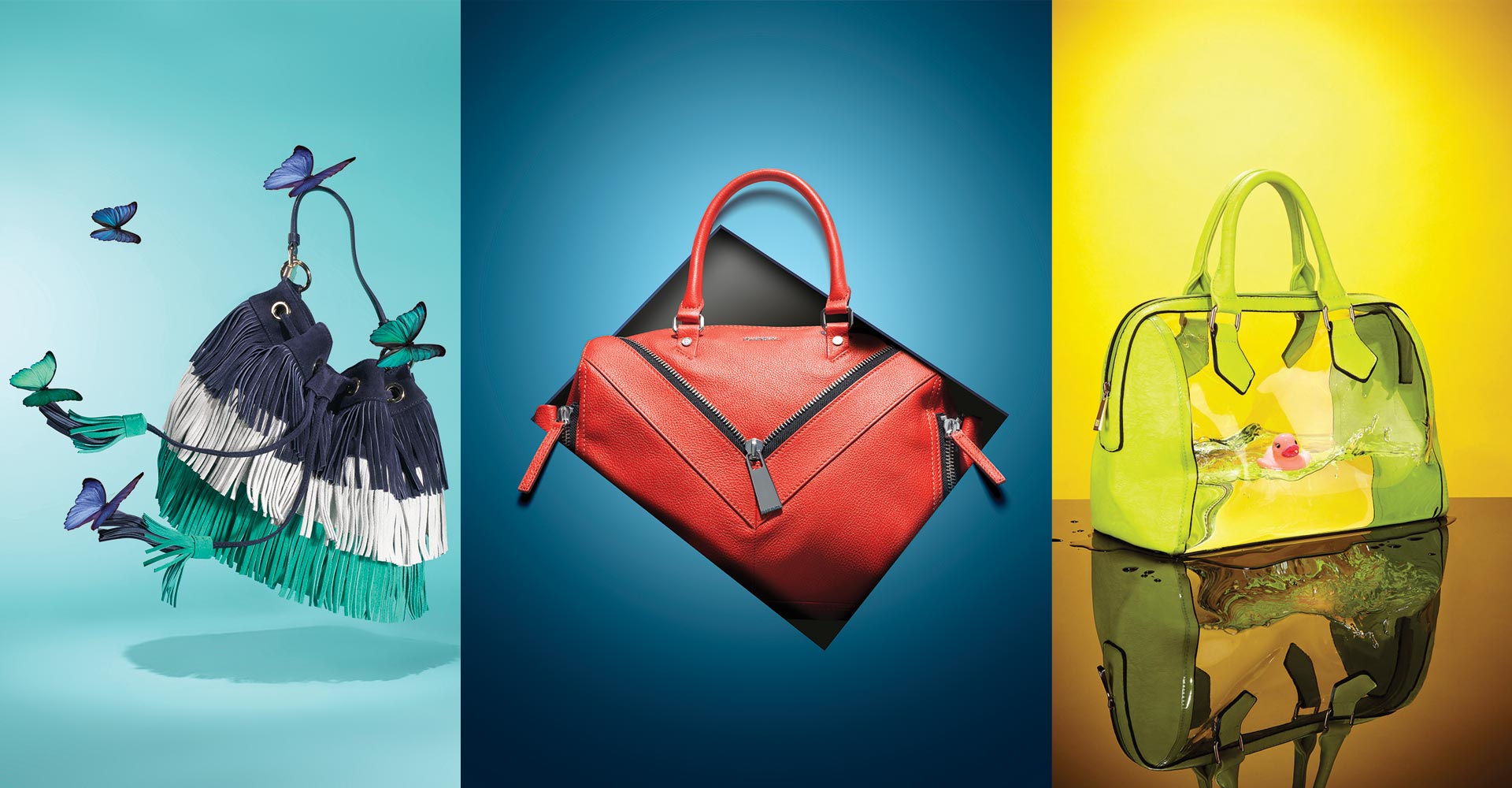
Atmospheric register rather than purely product-focused. Magazines are buying the story alongside the product. Imagery that feels editorial (mood, light, composition that suggests context) earns more placement than imagery that reads as straight commercial.
Variety within the asset set. A press distribution that includes one hero, two secondary heroes, three product close-ups, and a behind-the-scenes shot gives the editor options. A distribution with one image and three angles of the same composition gives them no choice.
Clear usage rights and attribution. The press team needs to know what credit line the magazine should use, what usage rights are granted (single feature, ongoing archive, social use), and whether the photographer or stylist has additional credit requirements.
A brand that delivers all five gets placed more often than a brand that delivers commercial imagery and hopes the magazine adapts it.
The editorial register
Editorial photography sits in a different visual register from commercial work.
Where commercial photography optimises for clarity, conversion, and consistency, editorial photography optimises for mood, distinctiveness, and emotional engagement.
This shows in the lighting choices. Editorial lighting can be more directional, more atmospheric, more shadow-led. The deliberate use of shadow that would compromise a PDP image often elevates an editorial one.
It shows in the composition. Editorial composition allows asymmetry, negative space, motion, and ambiguity. The product can sit off-centre, partially obscured, or contextualised by environment in ways that commercial PDP cannot accommodate.
It shows in the styling. Editorial styling can be more expressive, more contextual, more story-led. The look on the model often includes pieces from outside the brand that build the editorial narrative.
It shows in the colour grading. Editorial work tolerates more aggressive colour treatment, more film-emulation feel, more brand-distinctive tonal choices.
A specialist studio briefed for editorial work delivers in this register. A studio briefed for commercial work and asked to produce editorial alongside it usually delivers commercial-with-editorial-intentions, which reads as neither.
How to brief for press-ready assets
The brief that produces press-ready assets includes editorial requirements at the asset matrix stage, not as an afterthought.
Editorial hero count. The brief specifies how many editorial-register heroes the launch needs. Two to four is typical for a seasonal launch. One per major press placement is the upper bound.
Editorial format specifications. High-resolution, often horizontal for spread layout, with breathing room for headline and copy. The brief should include the long-edge pixel count and any specific aspect ratios required.
Editorial styling treatment. Whether the editorial heroes should match the commercial styling or sit slightly apart for narrative variety. This is a brand-positioning decision worth making consciously.
Press release imagery. Distinct from editorial heroes, press release imagery often includes product close-ups, founder portraits, and behind-the-scenes content that journalists can use without requiring additional shoot time.
Usage rights and attribution. Specified before the shoot, agreed in writing, included in the press distribution.
Distribution logistics. Who is sending the press kit, in what format, to which contacts, with what deadline. Press timing is often tighter than the brand’s commercial timing.
A brief that addresses all six produces a press distribution that earns coverage. A brief that addresses three or four produces a press distribution the editor improvises around.
Working with stylists for editorial work
Editorial fashion photography almost always involves a stylist whose work sits between the brand and the photographer.
For commercial work, the stylist’s role is usually about garment preparation, look execution, and prop management. The brand’s existing styling direction usually leads.
For editorial work, the stylist’s role is more interpretive. The stylist takes the brand’s collection and the agreed editorial narrative and translates them into specific looks that the photographer captures. The stylist’s name often appears in the published credit alongside the photographer’s.
Senior editorial stylists have networks with magazine fashion teams and can sometimes secure placement that the brand alone could not. For brands serious about press, the stylist hire is part of the press strategy.
The working relationship: the brand owns the season story and the commercial constraints. The stylist owns the look interpretation within those constraints. The photographer owns the capture. The press team owns the distribution.
All four hand off cleanly when the brief is clear. The brief that fails is the one that asks the photographer or the stylist to invent the strategy on the day.
A press distribution that gets placed
The press distribution that earns placement contains:
Three to five editorial hero images. Distinct from each other, each suitable for full-page or full-bleed treatment, with breathing room for magazine layout.
Six to twelve product close-ups. Detail shots of the hero pieces, suitable for sidebar or inset placement.
Two to four behind-the-scenes images. From the shoot itself or from the brand’s atelier, workshop, or studio.
A founder or designer portrait. Where the brand’s narrative includes the founder. Suitable for feature interview placement.
Brand assets pack. Logo files, product mood board, brand colour reference, brand fonts where applicable.
Press release document. With the editorial story, the season narrative, the launch details, and the credit information.
Image usage notes. Specifying what is granted, what is restricted, and what attribution is required.
A press distribution that includes all seven is one the editor can build a feature around without coming back to the brand for clarification. The friction of editorial placement drops, and the conversion from distribution to coverage rises.
How press imagery sits inside the wider shoot
The strongest production approach captures press imagery alongside commercial work in a single coordinated production.
A single shoot day, planned properly, can deliver:
Commercial PDP imagery for the brand’s e-commerce site. Retailer asset packs for wholesale and retail partners. Paid social and organic social content. Lookbook spreads for the season narrative. Editorial press heroes for magazine distribution. Behind-the-scenes content for the brand’s own storytelling.
The asset matrix lists all six and the day is sequenced to deliver each. The retoucher works to a master direction that holds across formats while respecting the different registers.
This is more demanding planning than a single-purpose shoot. It is also significantly more cost-efficient than commissioning four separate productions.
Briefing notes for press-inclusive shoots
The strongest briefs we receive for shoots that include press distribution:
The full asset matrix, including editorial heroes and press release imagery alongside commercial work. The press distribution list and the launch timing. The stylist’s role and any agency involvement. The credit requirements and usage rights. The brand’s existing press coverage as reference for the register the brand wants to extend.
What does not need to be in the brief: detailed lighting instructions for editorial work, or attempts to specify the press distribution strategy in the brief. Those are the studio’s and the press team’s decisions.
If you are scoping a launch that includes press distribution, share the launch timing and the asset matrix and we will plan the production to deliver both commercial and editorial assets from a single day. We work across fashion photography and creative photography at the Bankside studio.
Share your brief. We will come back the same day.