

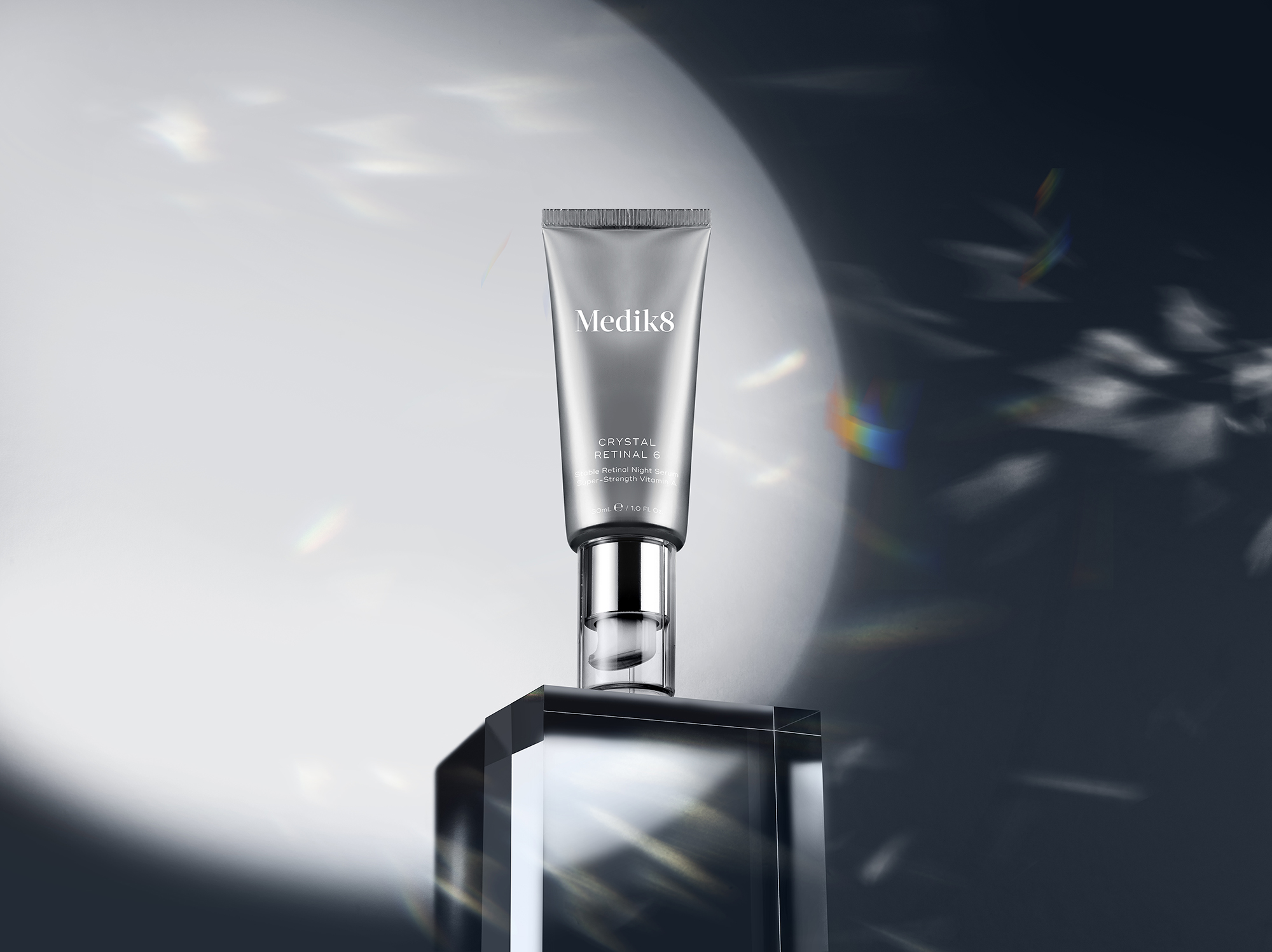
Shopify brands have specific product photography needs that differ from Amazon-led sellers or wholesale-led brands.
The platform gives brand teams significant flexibility on image presentation. The customer journey often starts with paid social or email rather than a search result. The brand’s own storytelling lives on the same site as the PDP. The retailer constraint that shapes Amazon photography does not apply.
That flexibility cuts both ways. Shopify brands can produce stronger, more brand-led imagery than Amazon-led sellers, but they can also under-invest in the structural decisions that determine conversion at scale.
This guide is for UK brand teams running on Shopify and commissioning product photography in London. It is about what the platform actually rewards, how the asset matrix should be structured, and where Shopify brands commonly underinvest.
What Shopify actually rewards
Shopify’s product page templates are flexible. The brand can show two images or twenty. Square, landscape, vertical, or mixed. With or without zoom. With or without 360 or video.
That flexibility means the photography asset matrix has more freedom than it would on Amazon, but the underlying conversion principles still hold.
Conversion data across Shopify stores consistently shows:
Three to seven product images per SKU outperforms one or two. The customer expects to inspect the product through multiple angles before adding to cart.
A mix of clean product and lifestyle context outperforms either alone. The clean image lets the customer verify the product. The lifestyle image lets the customer see it in use.
High-resolution imagery that enables zoom outperforms low-resolution. Shopify’s default zoom functionality requires source images at 2000 pixels minimum; 3000 pixels is the working standard.
A consistent visual register across the SKU set outperforms a fragmented one. The category page reads as one shop when the photography is consistent and as a collection of separate listings when it is not.
These are the conversion principles. The asset matrix should respect them rather than treating the platform’s flexibility as license for inconsistency.
The asset matrix for a Shopify launch
The asset matrix for a Shopify brand typically includes:
Three to seven PDP images per SKU. Hero shot (clean product, hero angle), three to five additional angles or details, one or two lifestyle or context shots.
A hero image for the homepage and category cards. Often horizontal, often more atmospheric than the PDP cleaner shots.
Lifestyle context shots for product cards on collection pages. Different in register from PDP heroes; usually warmer, more lifestyle-led.
Social cut-downs in platform-native formats. Vertical 9:16 for Reels and stories, square 1:1 for organic feed, 4:5 for paid social on Instagram.
Email and CRM imagery. Hero images suitable for the email campaign cadence, plus product card derivatives for product-led emails.
Press distribution if relevant. Editorial-register heroes at high resolution for any media outreach.
For a typical 12-SKU Shopify launch, the asset matrix lands around 70 to 120 deliverable assets when all derivatives are counted. A single well-planned production day can deliver this if the matrix is locked at brief stage.
Where Shopify brands commonly under-invest
The flexibility of Shopify creates specific under-investment patterns.
Variant photography. A brand launching a product in four colourways often photographs only one and relies on text descriptors for the variants. The conversion penalty on variant pages without dedicated imagery is significant; customers do not buy variants they cannot see.
Macro detail. Shopify’s PDP supports image carousels that can include macro detail shots, but many brands skip the macros and ship only hero plus a few wide angles. The macro layer is where the customer’s decision often consolidates.
Lifestyle context. Many brands ship pure product imagery with no lifestyle context, missing the opportunity to communicate use case and emotional positioning on the same PDP.
Video and motion. Shopify’s PDP supports video and 360 imagery natively, but the production effort to deliver them is often deferred indefinitely. For certain categories (lifestyle products, beauty, drinks), motion content earns its production cost.
Consistency across the catalogue. Brands that grow their catalogue piece by piece often end up with PDP imagery that drifts in register, lighting, and quality across the SKU set. The fix is annual or seasonal recaptures to restore consistency.
The asset matrix at brief stage should address each of these proactively rather than retrofitting them after the launch reveals the gaps.
Production approach for a Shopify shoot
The production day for a Shopify-focused shoot differs from an Amazon-focused shoot in a few specific ways.
The platform does not impose hard specifications on the main image, so the lighting and composition can be brand-led rather than rule-led. The studio has more creative latitude than on Amazon work.
The variant capture matters more than retailer-specific exports. A Shopify shoot captures variants thoroughly because the variants will all appear on the brand’s own PDPs. An Amazon shoot may prioritise a single hero variant for the listing and treat others as derivatives.
The lifestyle context block is often longer. Shopify brands typically need more lifestyle imagery than Amazon-led brands because the brand’s own site supports it and the social channels use it.
The video and motion block, where budgeted, is captured during the same production day rather than as a separate commission. The lighting and set built for static photography often transfers directly to motion work with minor adjustments.
A worked example: a Shopify-based skincare brand launch
A typical brief: a UK skincare brand launching a four-product range, each in two sizes (8 SKUs total), on Shopify with paid social as the primary acquisition channel and email as the retention driver.
The asset matrix:
PDP imagery, 4 products × 2 sizes × 5 angles = 40 PDP images. Hero plus four supporting angles per SKU.
Lifestyle context, 4 products = 4 images. One context shot per product family.
Homepage hero, 1 image. The collection-led hero for the launch.
Email campaign imagery, 5 images. Launch email hero plus four product-led email images.
Paid social verticals, 4 products × 2 crops = 8 images. Native vertical for Reels and stories.
Organic social, mixed format = 12 images. Square and vertical content for the launch cycle.
Press distribution heroes, 3 images. Editorial-register for any press outreach.
Total: 73 deliverable assets, captured in a single well-planned production day at our Bankside studio, with the lighting setup held across SKUs for category-page consistency.
Briefing notes for a Shopify shoot
The strongest briefs we receive from Shopify-based brands include:
The SKU list with variants per product. The asset matrix by destination, with PDP, lifestyle, email, social, and press all listed. The brand’s visual reference work (the existing site, the existing social feed). The launch timing and Shopify-specific deadlines. Sample shipping logistics.
What does not need to be in the brief: lighting instructions or technical specifications. Those are the studio’s decisions.
If you are scoping a Shopify launch and want help structuring the asset matrix around the platform’s strengths, share the SKU list and the channel plan and we will plan the production around the launch. We work across product photography and e-commerce photography at the Bankside studio.
Share your brief. We will come back the same day.