

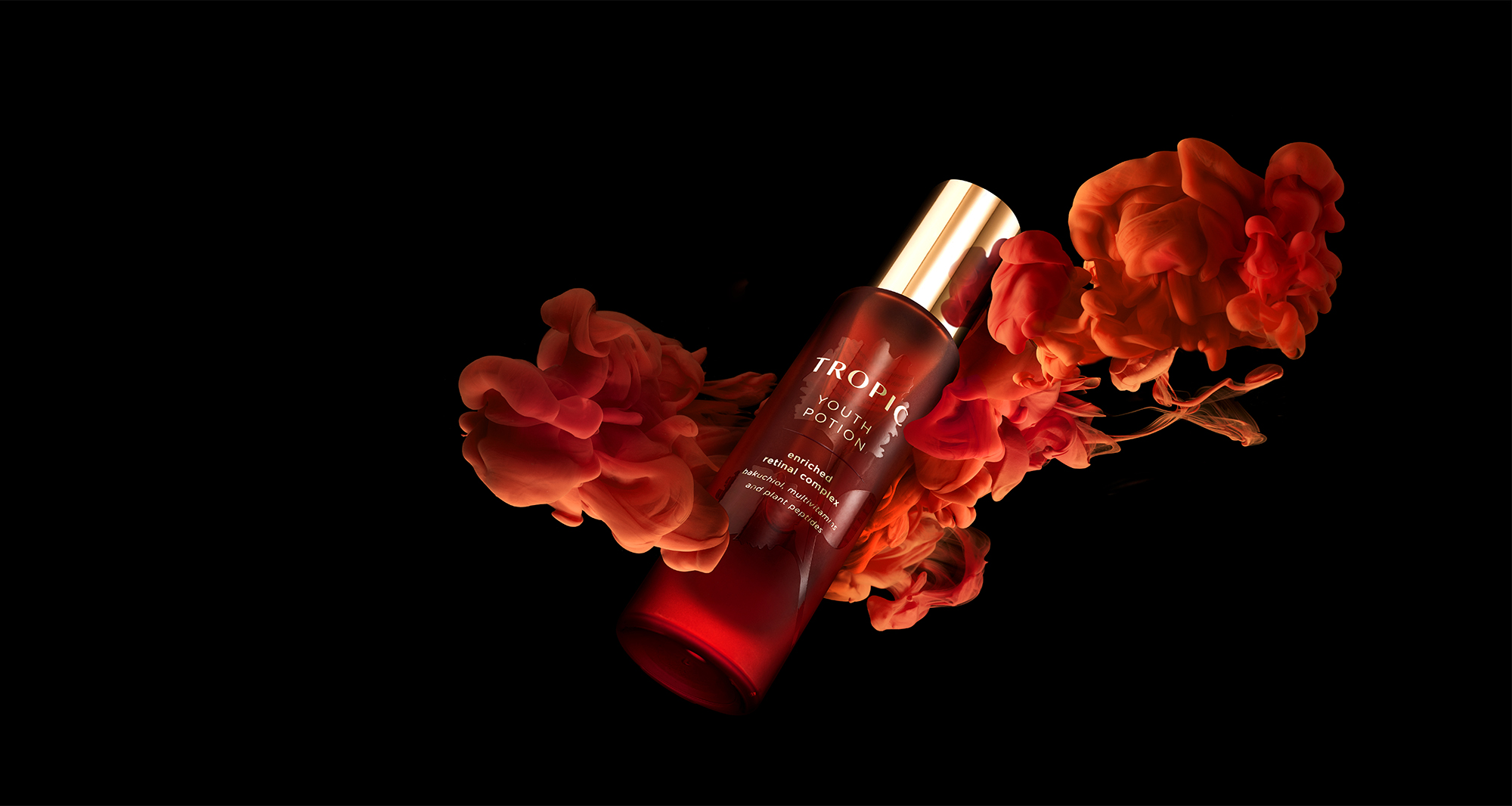
Same-day product photography exists for specific commercial situations, and not for the situations brands most often request it for.
The brief usually arrives as a panic email. The launch is tomorrow. The press team needs a hero. The retailer flagged a missing asset at the last review. The packaging arrived three days late and the original shoot date is now impossible.
In some of these situations, a same-day shoot is the right answer. In others, the right answer is to push the launch by 24 hours and produce the work properly. This guide is about telling the difference, and about what same-day production actually delivers when it is the right call.
When same-day genuinely earns its premium
A same-day commission is the right answer in a small set of specific situations.
Press-driven asset requests with a fixed publication deadline. A magazine has confirmed a feature, the deadline is tomorrow, and the brand needs a high-resolution editorial-register asset they do not currently have. Missing the deadline costs the placement; the same-day production cost is justified by the press value.
Retailer compliance failures with a hard listing window. A retailer has flagged that a launching SKU has imagery that fails their spec, and the listing window closes in 24 hours. Re-shoot now or miss the window. The same-day cost is much smaller than the missed sales window.
Last-minute packaging or product changes that surface immediately before launch. The product changed materially after the original shoot, the change is visible in the imagery, and the brand needs new captures before going live. Same-day allows the launch to proceed; postponement disrupts the broader campaign timeline.
Founder or executive-led PR moments. The founder has been invited onto a programme, into a podcast, into a publication, and the personal-led press requires fresh imagery the brand does not have. Same-day captures the moment; waiting loses it.
In each case, same-day production solves a real commercial problem. The premium pricing reflects the disruption to the studio’s normal scheduling and the compressed production window.
When same-day is the wrong answer
Many same-day requests come from situations where a 48-hour or 72-hour window would deliver better results without significant additional cost.
Launch planning failures dressed up as urgency. The team did not lock the asset matrix in time, the production day got pushed, and the original timeline collapsed. Same-day production lets the original launch date hold but produces compromised imagery. A 72-hour delay and a properly scoped production usually serves the brand better.
Internal approval failures. The marketing director did not sign off in time, the assets were not produced, and now the launch is at risk. Same-day production papers over the approval failure. A conversation with the executive sponsor about the approval process serves the brand better in the long run.
Speculative asset creation. The brand thinks they might need an asset for an opportunity that has not materialised yet. Same-day production produces imagery that may sit unused. Waiting for the opportunity to firm up usually produces better commercial allocation of budget.
Routine production that should have been planned. Standard PDP imagery for a launch with normal timelines should not be a same-day commission. If it has become one, the upstream planning failed and the same-day commission is the consequence rather than the cure.
A studio commissioned for same-day work that is not justified by the situation often quotes the same-day premium and delivers the work, and the brand learns the wrong lesson about what production discipline looks like.
What same-day production actually delivers
A same-day production at a specialist London studio typically delivers:
A single hero asset, captured and retouched in one working day. The lighting setup is established, the product is captured, the file is retouched to a publishable standard, and the asset is delivered in time for the brand’s deadline.
Limited variant coverage. Same-day timelines do not support thorough variant capture. Colourway derivatives, retailer-specific crops, and social cut-downs are usually deferred or produced with reduced thoroughness.
Minimal creative iteration. The first frame that meets the brand’s brief is the frame that ships. There is no time for the studio to explore alternative angles, lighting variations, or compositional options.
Retouch to a publishable but not perfected standard. The retouch addresses the obvious issues (dust, fingerprints, basic colour balance) but does not include the deeper work (extensive surface clean-up, complex compositing, refinement to a master standard) that a normal production allows.
Delivery via direct upload or rapid file transfer. The full structured delivery folder, the manifest, the retailer-specific exports are usually deferred to a follow-up delivery in the days after.
This is what same-day production looks like in practice. Brands commissioning it should expect this scope, not the scope of a normal production day compressed.
What same-day production costs
Same-day production at a London specialist studio typically runs 75 to 150 percent above the equivalent normal production cost.
The premium reflects:
The studio’s disruption to existing scheduling. Same-day work either displaces a planned production or compresses the team’s existing workload.
The compressed retouch window. A retoucher working on same-day delivery cannot batch the work with their normal queue and often works outside standard hours.
The reduced efficiency of unplanned production. Without normal pre-production prep, the studio absorbs more risk and more on-the-fly problem solving on the day.
The opportunity cost of the studio’s normal client work. Same-day commissions take priority for the studio’s day, displacing planning for upcoming productions.
The premium is the price of urgency. For situations where urgency is genuinely justified, it is worth paying. For situations where it is not, the premium is a tax on poor planning.
How to brief a same-day shoot
The brief for a same-day shoot is necessarily compressed.
The strongest same-day briefs include:
The single most important asset required. Same-day production should be scoped around one hero asset rather than a full set. If multiple assets are genuinely required, the brand should consider whether the deadline can stretch to a normal one-day production.
The deadline and the format. Specific hour for delivery, specific resolution, specific file format, specific destination.
The brand reference for tonal register. Existing campaign work the studio can match against.
Sample logistics and delivery. Where the product is, how it gets to the studio, who is available for sign-off during the day.
The approval owner for the day. A single named person who can sign off in real time as the work progresses.
What does not belong in a same-day brief: speculative additions, exploration of alternative directions, attempts to add multiple secondary assets. The compressed window does not support breadth.
A worked example: a press deadline driven shoot
A typical same-day brief we accept: a UK beauty brand received a confirmed feature placement in a national newspaper’s weekend supplement. The deadline for the high-resolution editorial asset is 5pm tomorrow. The brand has no existing asset that meets the magazine’s specification.
The day: product arrives at 9am, lighting is established by 10am, captures complete by 1pm, retouch and approval by 3pm, delivery to the magazine’s art desk by 4pm. The asset meets the placement deadline.
The cost: roughly twice the equivalent normal one-day shoot. The commercial return: a national newspaper feature placement. The premium pays for itself.
This is when same-day production earns its place. When the commercial value of meeting the deadline exceeds the cost premium of compressed production.
When to push the deadline instead
The conversation worth having before committing to same-day production: can the deadline genuinely not move?
For press placements, often the deadline is firm. For retailer windows, often the deadline is firm. For founder-led PR moments, often the deadline is firm.
For internal launch milestones, marketing campaigns, and brand-owned timelines, the deadline is often more negotiable than it appears at the moment of panic. A 48-hour or 72-hour delay produces better assets, lower cost, and a less stressful production for everyone.
The brand that pushes the deadline when it can usually ships better work than the brand that compresses every timeline into same-day production.
If you have a genuine same-day requirement in London and want to discuss whether a specialist studio can help, share the asset requirement and the deadline and we will tell you honestly whether the work can be done well in the window available. We work across product photography and e-commerce photography at the Bankside studio.
Share your brief. We will come back the same day.