

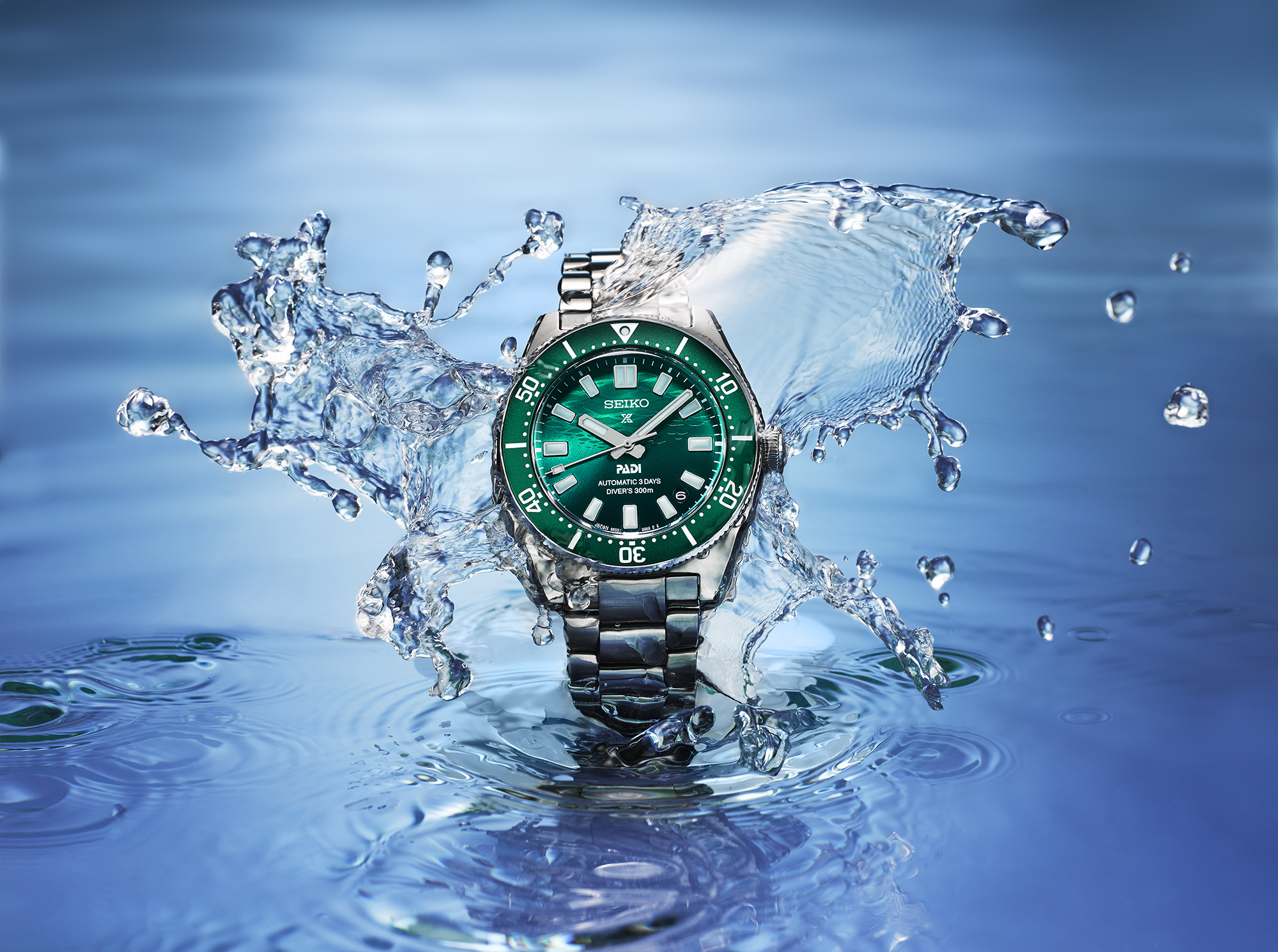
Limited-edition watches are not just regular watches in smaller quantities. They are a different commercial proposition that the photography has to support.
The buyer of a limited edition is making a different purchase decision than the buyer of a series production piece. They are paying for the scarcity, the specific design choices that distinguish the limited edition from the standard model, the collaboration partner if any, the numbering and certification, and often the perceived investment potential.
This guide is for watch brands, retailers, and dealers commissioning photography for limited-edition pieces in London. It is about how the imagery should differ from standard model photography, what details deserve specific emphasis, and how to brief for the collector audience that limited editions attract.
What makes a limited edition different
A limited edition typically includes one or more of these distinguishing characteristics:
A specific production quantity, individually numbered. Often engraved on the case-back. The numbering signals scarcity and confirms authenticity.
Distinctive dial or case treatment. A unique colour, a specific surface finish, an unusual material, an unusual engraving.
Collaboration partner involvement. Co-branded pieces with retailers, artists, sports figures, organisations, or other brands. The collaboration partner usually contributes to the design.
Specific commemorative elements. Pieces tied to anniversaries, events, organisations, or moments. The commemorative element is often part of the design language.
Original packaging and certification. Limited editions typically ship with bespoke packaging, often with serial-numbered certificates and additional documentation.
The photography for a limited edition needs to capture all of these distinguishing characteristics, alongside the standard watch photography conventions that apply to any piece.
What the photography needs to communicate
Beyond the standard product photography concerns, limited-edition photography has specific commercial jobs.
The scarcity has to be visible. The numbered case-back, the production count, the certificate showing the specific edition number. These elements connect the photograph to the limited nature of the piece.
The distinguishing features have to be emphasised. Whatever differentiates this piece from the standard model deserves dedicated photography. A unique dial colour gets a hero shot that emphasises the colour. A specific case treatment gets macro detail. A commemorative engraving gets its own close-up.
The collaboration partner involvement has to be communicated. Where a third party is involved (a retailer, an artist, an organisation), the partner’s visible contribution should be captured.
The packaging and accompanying materials have to be part of the asset matrix. Bespoke boxes, certificates, additional straps, presentation materials. For limited editions, the unboxing experience is part of the value, and the photography should reflect that.
The collector context has to be respected. Limited editions are bought by people who care about the details. The photography should match the level of attention the buyer is bringing.
The distinguishing-feature asset matrix
A typical asset matrix for a limited-edition piece includes everything the standard model would have, plus:
A numbered case-back close-up. The case-back engraving with the specific edition number legible. Often the first detail shot collectors examine.
Distinguishing dial colour or treatment in close detail. Where the limited edition’s distinction is the dial, the macro work should make the distinction obvious.
Distinguishing case treatment or material in close detail. Special finishes, unusual materials, specific surface treatments. Each deserves its own macro.
Collaboration partner branding where present. Co-branded elements, logos, signatures, integrated design elements from the collaboration partner.
Commemorative engraving close-up. Where the piece includes commemorative engraving (often on the case-back, sometimes on the rotor or movement), the engraving deserves its own shot.
Packaging hero. A wide composition showing the bespoke box, often with the watch displayed in the box.
Certificate or documentation. The serial-numbered certificate, the limited-edition documentation, any accompanying material that confirms the piece’s status.
Additional straps or accessories. Where the limited edition ships with additional straps, tools, or accessories, these become part of the asset matrix.
This is a more extensive asset matrix than a standard model would receive. The investment is justified by the limited edition’s commercial proposition.
The collector audience and how they consume photography
Limited-edition buyers are typically more sophisticated than general watch consumers.
They examine photography in detail. They zoom in on PDPs. They notice small inconsistencies. They share imagery in collector forums and social media where the imagery is dissected further.
The photography for this audience has to be:
Technically excellent. Sharp, well-lit, well-composed. Technical compromise that a general buyer might overlook will be noticed.
Detailed in what it shows. Multiple angles, multiple macros, multiple aspects of the piece’s character. Limited surface coverage that works for a regular piece will feel sparse for a limited edition.
Honest about the piece. Limited editions are often discussed in collector forums where any photographic misrepresentation will be flagged. Honesty in the photography builds the brand’s credibility with this audience.
Respectful of the collector’s expertise. The photography signals that the brand understands the collector’s knowledge and treats them as a sophisticated buyer rather than a general consumer.
A specialist watch studio working on limited editions produces imagery for this audience. A generalist studio sometimes produces imagery for a generic audience that fails the collector’s scrutiny.
The press distribution dimension
Limited editions are press-magnet content for the watch media.
Hodinkee, A Blog to Watch, Revolution, Worn & Wound, Time and Tide, and the broader watch press regularly feature limited-edition releases. Brand teams launching limited editions usually have a coordinated press distribution as part of the launch.
The press distribution requires:
Editorial-resolution heroes. High-resolution imagery suitable for full-page magazine layout or large-format web feature.
A variety of editorial angles. Beyond the standard PDP work, editorial-register compositions that magazines can use for feature spreads.
Detail macros at press resolution. The distinguishing features captured at resolution suitable for press use.
Brand and design context. Imagery that places the limited edition in the brand’s wider story, often including portraits of the design team or collaboration partner.
Wristshots and lifestyle context. Editorial press regularly uses lifestyle imagery alongside product photography. The distribution should include both.
Brands distributing limited editions to press without dedicated editorial-register imagery typically see lower placement than brands that include it.
The collaboration partner consideration
For limited editions involving collaboration partners (retailer collaborations, brand-brand partnerships, brand-artist work, brand-sports figure pieces), the photography often involves the partner.
Joint approval processes. Both the watch brand and the collaboration partner usually have approval rights on the imagery. The studio should anticipate longer approval cycles.
Partner-specific assets. The collaboration partner often wants assets for their own use (their website, their marketing, their social presence). The asset matrix should include the partner’s needs.
Visual register accommodation. Where the partner has their own visual identity, the photography sometimes needs to bridge between the watch brand’s register and the partner’s. The brief should specify how this bridge is being managed.
Press distribution coordination. Press distribution for collaboration pieces is often jointly managed. The asset distribution should be coordinated with both parties’ press teams.
A specialist studio working on collaboration limited editions plans for the additional complexity from the brief stage.
Briefing notes for limited-edition shoots
The strongest briefs we receive for limited-edition photography:
The piece details including the limited quantity, the specific edition number range, the distinguishing features versus the standard model, any collaboration partner involvement, the packaging and accompanying materials. The intended use across PDP, press, dealer marketing, and collector community. The brand’s existing limited-edition photography references for tonal consistency. Sample handling requirements, often more sensitive for limited editions where the sample may be a numbered piece.
What does not need to be in the brief: detailed lighting instructions or attempts to specify the technical setup. Those are the studio’s decisions.
If you are commissioning photography for a limited-edition watch launch in London, share the piece details and the launch context and we will plan the production around the scarcity proposition and the collector audience. We work across watch photography, watch photography London, and creative photography at the Bankside studio.
Share your brief. We will come back the same day.