

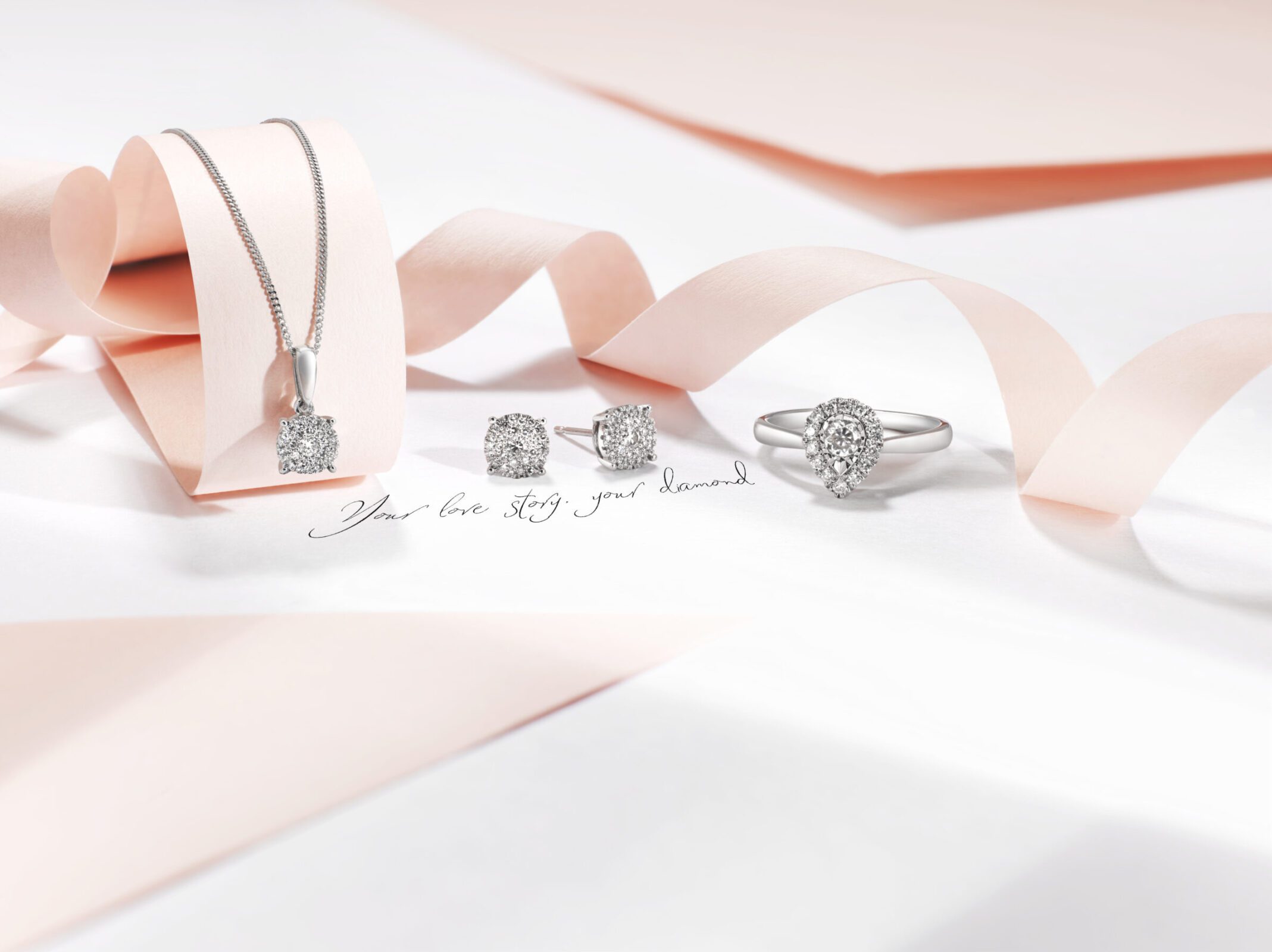
Independent jewellery designers face a specific commercial challenge: the portfolio is the brand.
Established jewellery houses operate against decades of brand equity. The customer arrives at the brand with prior knowledge, prior trust, and often prior purchases. The independent designer arrives at the customer with none of these advantages. The visible work, communicated through the portfolio, is doing the brand’s selling.
This guide is for independent jewellery designers, emerging studios, and small jewellery brands commissioning photography in London. It is about how to build a portfolio that communicates the designer’s voice, how to scope the photography against realistic budgets, and what to brief for portfolio-building work specifically.
The portfolio as the brand
For an independent designer, the photography portfolio does multiple jobs at once.
It shows the work to potential customers. The website, the social presence, the press distribution. Every visible touchpoint draws from the portfolio.
It demonstrates capability to potential collaborators. Retailers considering stocking the brand, stylists considering pulling for editorial, press considering coverage. All evaluate the brand through the portfolio.
It establishes the visual register of the brand. Future commissions, custom work, and brand evolution all reference back to the visual language the portfolio establishes.
It builds the designer’s professional reputation. Other designers, makers, and the jewellery industry evaluate the work through the portfolio.
The portfolio investment is structural to the brand. It is not a marketing expense; it is brand infrastructure.
Scoping the photography against realistic budget
Independent designers usually operate against tighter budgets than established brands. The photography has to deliver portfolio infrastructure at sensible cost.
The scoping decisions that produce good portfolios at manageable budgets:
Lead with the hero pieces. Identify the three to five pieces that best represent the designer’s voice. Photograph these with full attention and full asset coverage. Supporting pieces in the range can receive lighter coverage.
Build the foundation library first. A single production day producing twenty to thirty pieces of strong portfolio imagery establishes the brand’s visual presence. Add to the library over subsequent productions as the range grows.
Avoid over-styling at the start. Heavy styled compositions can date quickly and lock the brand into specific positioning. Cleaner, more flexible imagery serves the portfolio over longer periods.
Plan for press distribution from the brief. Independent designers often rely on press coverage more than established brands. Editorial-register imagery should be part of the brief rather than an afterthought.
Reserve budget for refresh. As the range grows, the early portfolio imagery may need to be re-shot. Plan for annual or biennial portfolio refreshes rather than treating the first shoot as permanent.
A studio working with independent designers understands these constraints. The brief should be honest about the budget context so the production can scope accordingly.
Establishing the designer’s voice
The first photography commission for an independent designer is often the moment the brand’s visual voice gets defined.
The choices made in that commission set the register for everything that follows. Get them right and the brand has a foundation to build on. Get them wrong and the designer spends years trying to reset.
The visual voice decisions that matter:
Lighting register. Soft and atmospheric, clean and clinical, warm and editorial, or some specific signature. The lighting choice shapes how the work reads commercially.
Background and surface choice. White or neutral seamless, coloured backgrounds, natural materials, or specific signature surfaces. The background reads as part of the brand’s visual world.
Composition convention. Centred, off-centre, scale-led, or detail-led. The compositional logic becomes part of the brand’s recognition.
Material treatment. How the photography treats the metals, the stones, the surface character of the work. Calibrated to communicate the designer’s relationship to materials.
The relationship between pieces and context. Whether the work is photographed in isolation, with props, with model context, or in styled settings.
These five decisions, made consciously and held across subsequent work, give the brand a recognisable visual voice. Made unconsciously or inconsistently, they produce work that lacks coherence.
A specialist studio working with independent designers makes these decisions deliberately in the briefing conversation rather than defaulting to whatever the studio’s house style is.
The asset matrix for an independent launch
A typical asset matrix for an independent jewellery designer’s first or second photography commission:
Hero pieces with full coverage. Three to five pieces receiving extensive photography: hero composition, multiple angles, detail macros, worn imagery where applicable. Twelve to twenty images per hero piece.
Supporting range with standard coverage. Ten to fifteen pieces receiving hero composition plus three angles. Four to five images per piece.
Worn imagery for wearable pieces. Model and hand work for rings, necklaces, earrings, bracelets. Three to six worn compositions across the range.
Lifestyle or in-context imagery. Two to four compositions placing the work in suggested context. Lighter than full editorial campaign work but enough to communicate the brand world.
Press distribution selects. Three to five editorial-register heroes plus four to six detail captures for press use. Press-resolution exports.
Studio or making context where relevant. For designers whose making process is part of the brand story, atelier or workshop imagery extends the narrative.
Total: 60 to 100 deliverable images from one to two production days, depending on range size and complexity.
Press distribution as a primary use
Independent designers rely on press coverage more than established brands do.
The watch press, the jewellery press, the broader fashion and lifestyle press all regularly feature emerging designers. Brands shipping with press-ready imagery secure more coverage than brands relying on commercial assets adapted for press use.
The press distribution package for an independent designer should include:
Editorial-register heroes. Three to five high-resolution hero compositions suitable for full-page magazine layout or extended web feature.
Designer portrait. A portrait of the designer for any feature interview placement.
Studio or making context. Behind-the-scenes imagery from the designer’s workspace, supporting the maker narrative.
Detail and craft imagery. Close-ups that communicate the craft positioning the brand often relies on.
Brand story document. A press release or brand narrative that journalists can build a feature around.
Image usage rights and attribution. Clear specification of what is granted, what is restricted, and what credit is required.
A designer who supplies a complete press kit gets placed more often than one who supplies single images on request.
Working with the studio as an independent designer
The working relationship between an independent designer and a specialist studio differs from the relationship between an established brand and the same studio.
The designer is often more involved in the production day than an established brand would be. The designer’s craft judgement matters; their input on small compositional and styling decisions adds value the studio cannot supply alone.
The studio takes more interpretive latitude on the brief because the designer has fewer existing reference points. The studio’s craft judgement is heavier in the production decisions, with the designer reviewing and refining.
The post-production phase often involves more iteration. The designer is using the work to understand their own brand visual voice. R2 and R3 revisions are more common.
The relationship often extends over multiple projects as the range grows. The studio’s accumulated knowledge of the designer’s work compounds.
This works when both sides are honest about the dynamic. The studio prices the project to allow for the additional iteration and the more involved designer relationship. The designer respects the studio’s craft judgement while contributing their own.
Briefing notes for independent designer shoots
The strongest briefs we receive from independent jewellery designers:
A short brand statement explaining the designer’s voice and positioning. The piece list with hero pieces flagged and full materials, stones, and construction notes per piece. The asset matrix scoped to the budget and the portfolio-building objective. References from established brands the designer admires, with notes on what to draw from and what to depart from. Sample handling logistics. Honest budget and runway context.
What does not need to be in the brief: detailed lighting instructions or attempts to specify the technical setup. Those are the studio’s decisions, made against the designer’s stated voice.
If you are an independent jewellery designer commissioning portfolio-building photography in London, share the brand statement and the piece list and we will plan the production around establishing your visual voice. We work across jewellery photography and creative photography at the Bankside studio.
Share your brief. We will come back the same day.