

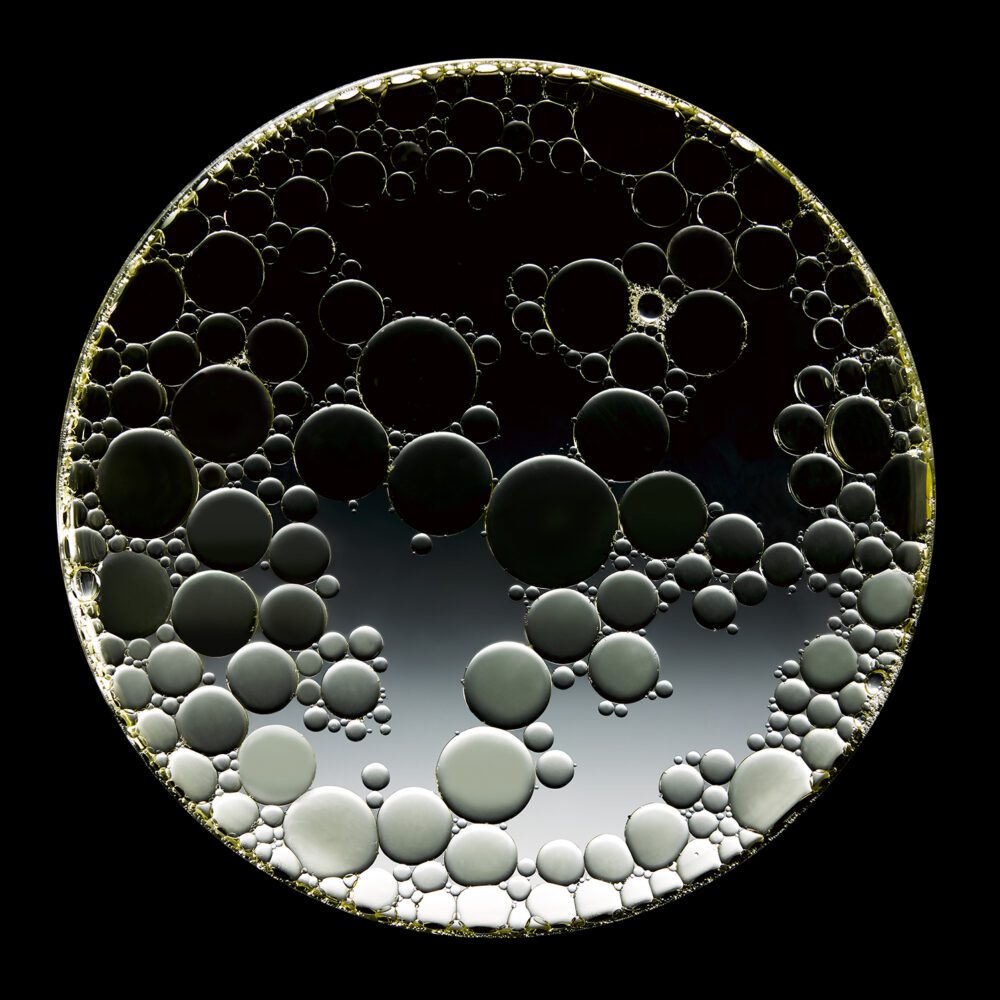
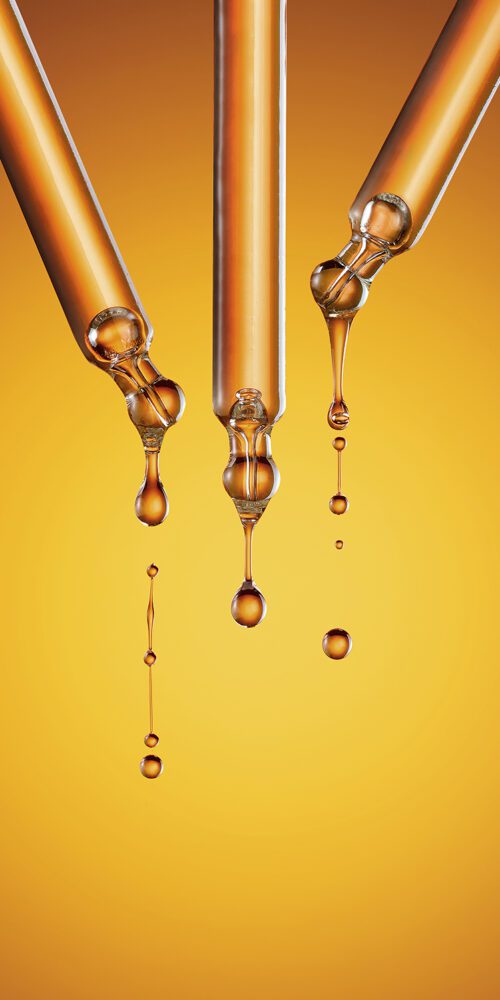
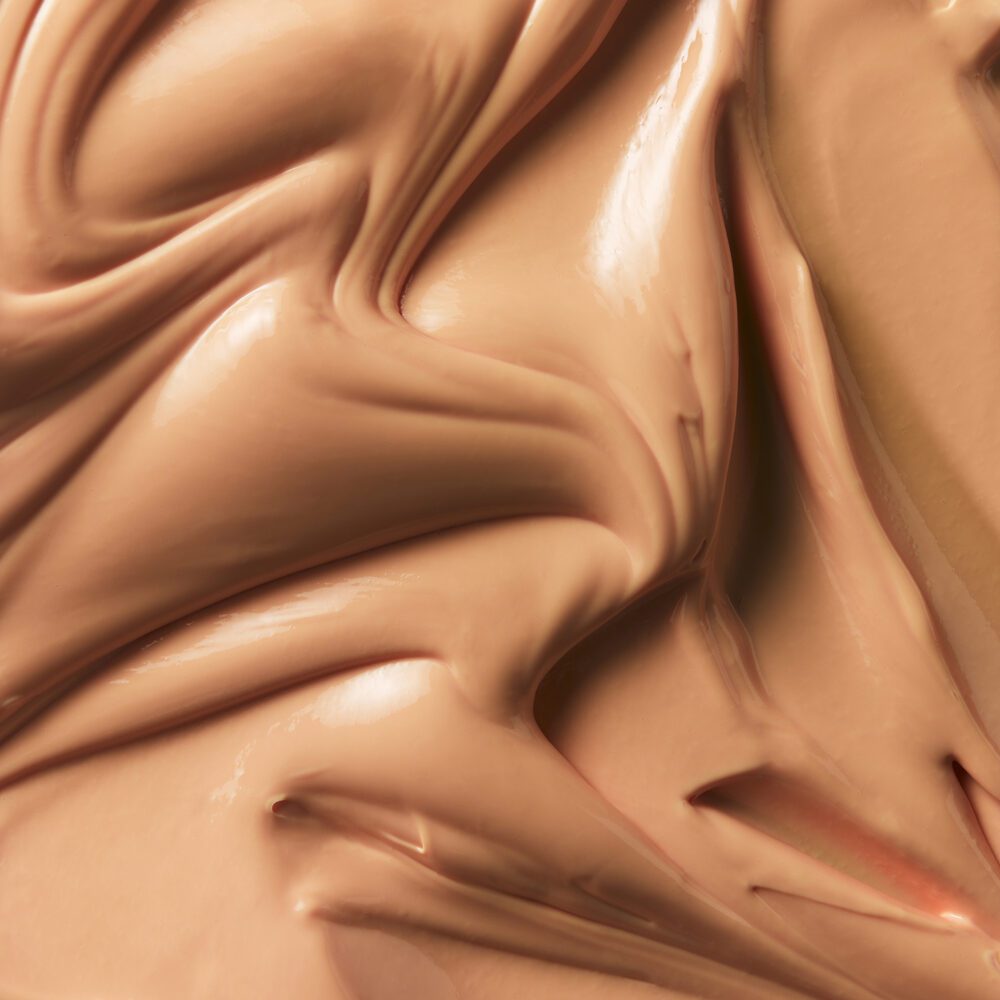
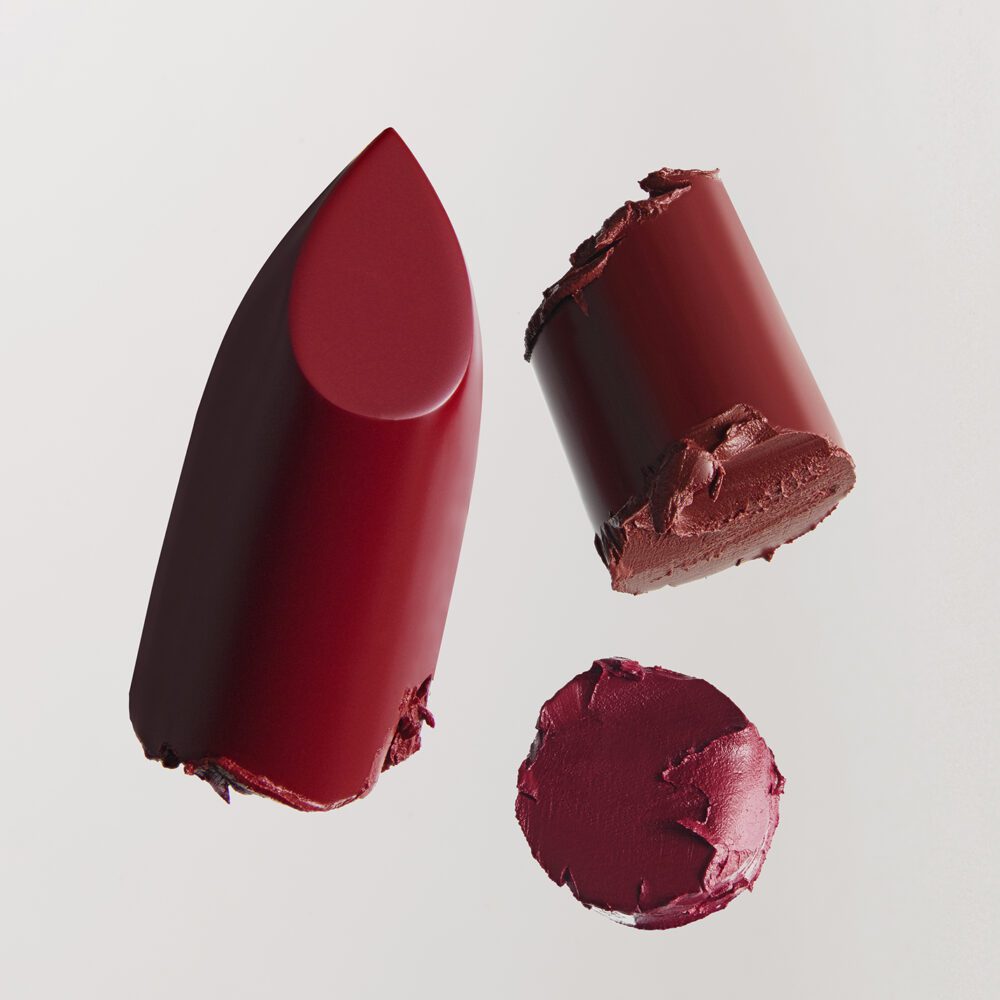
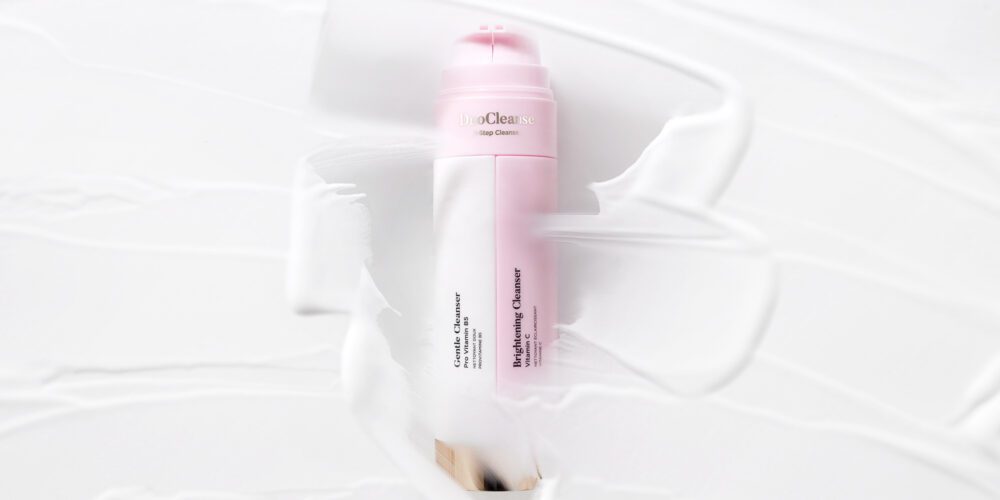
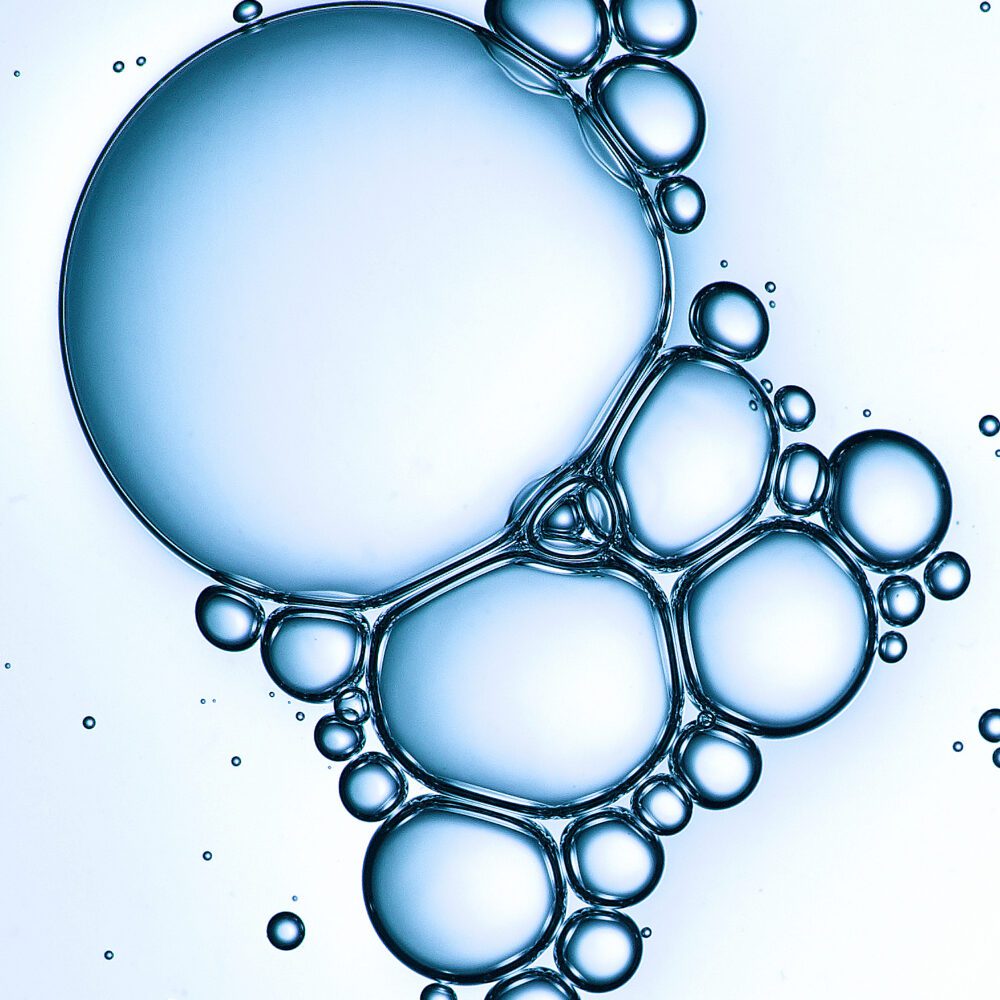
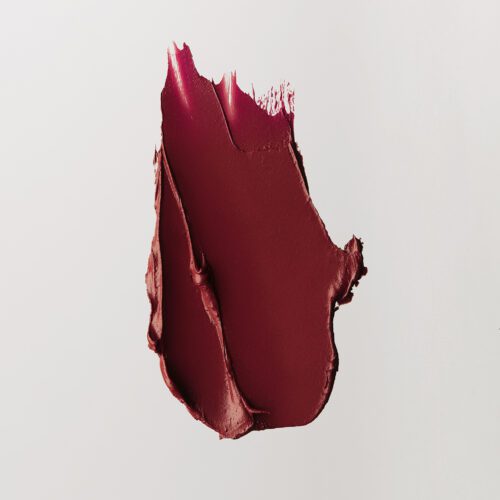
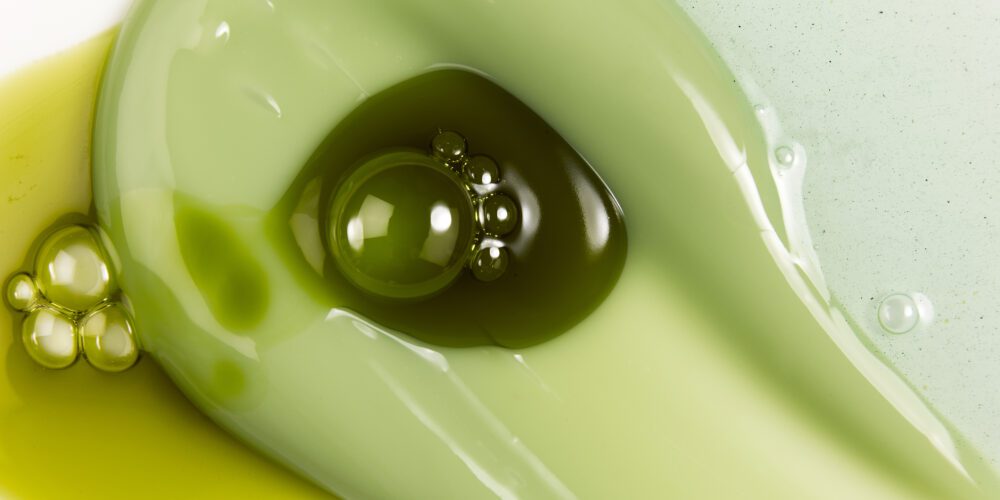
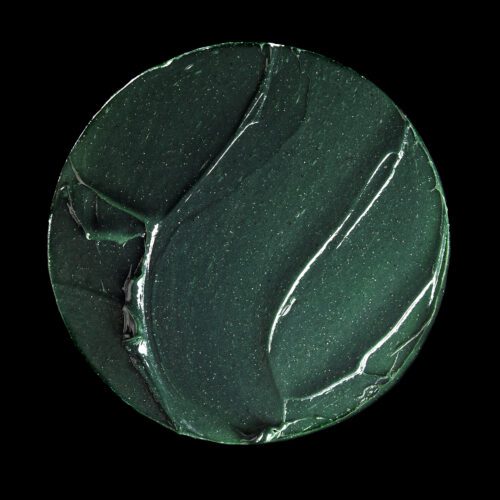
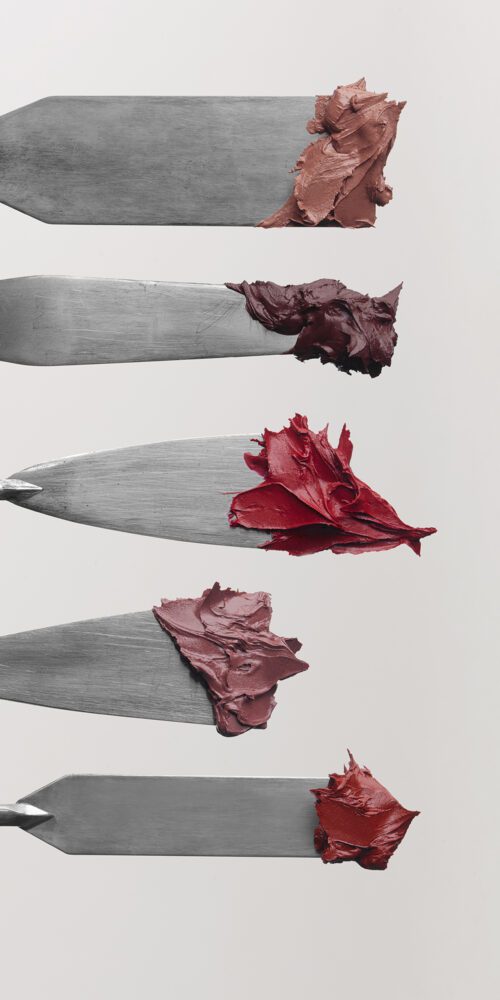
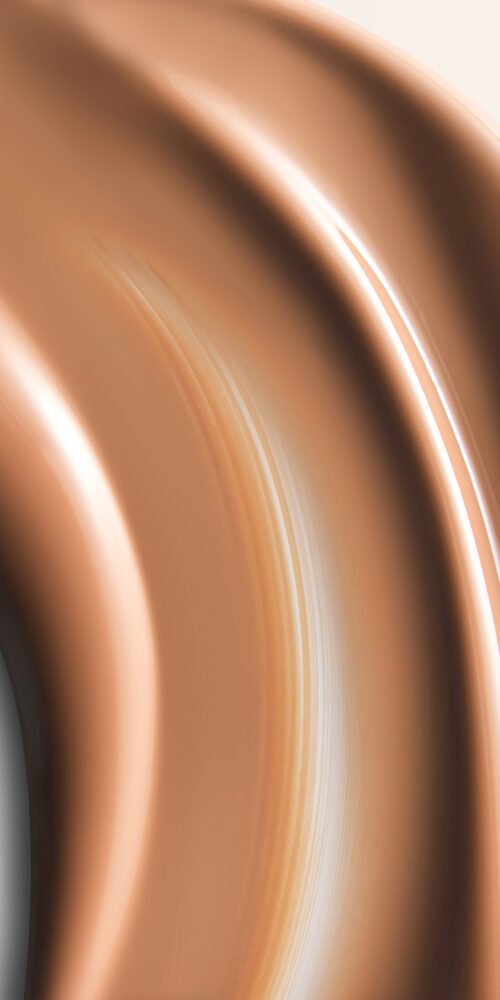
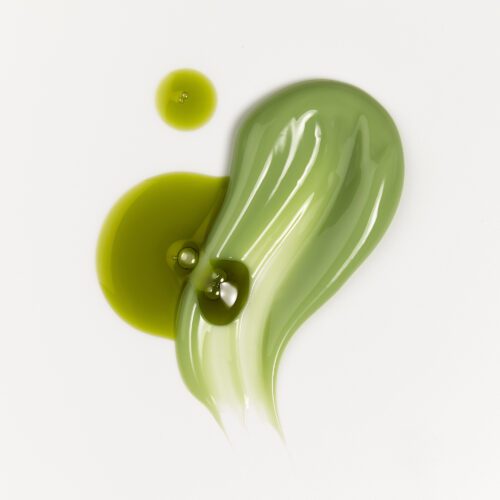
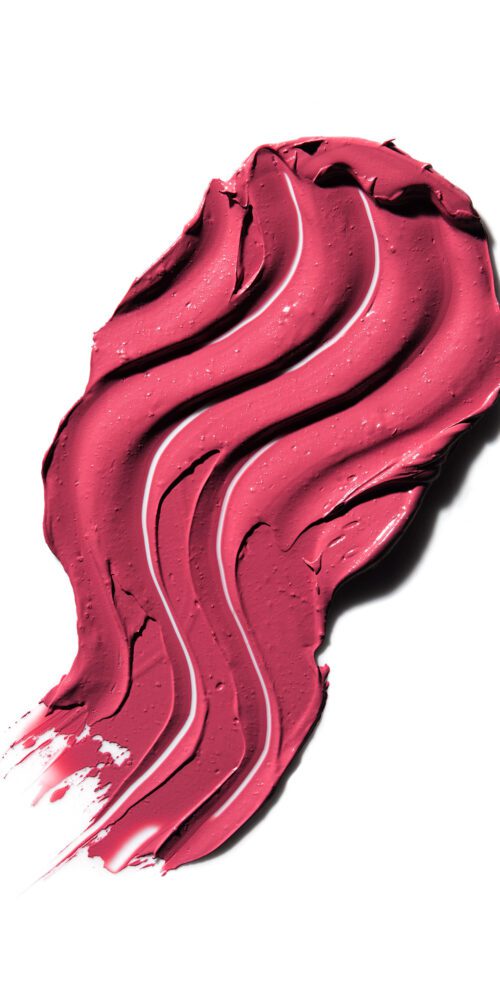
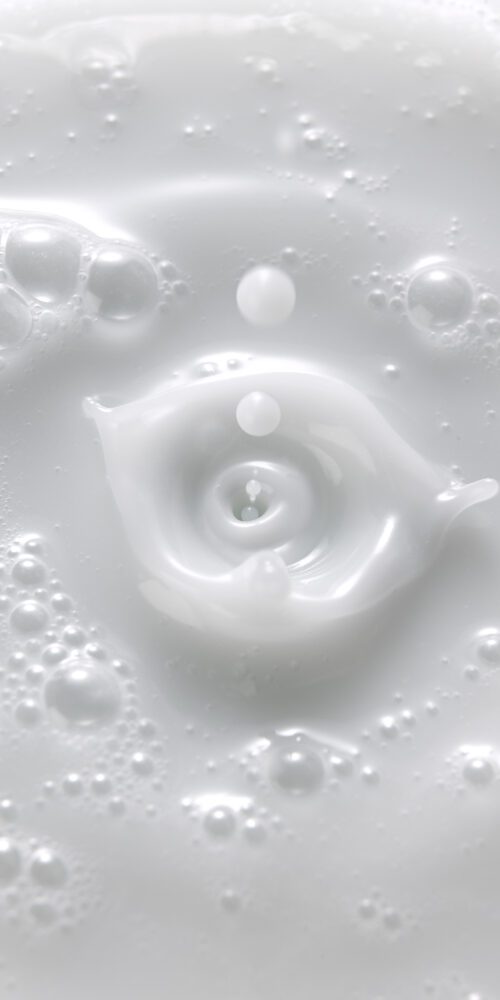
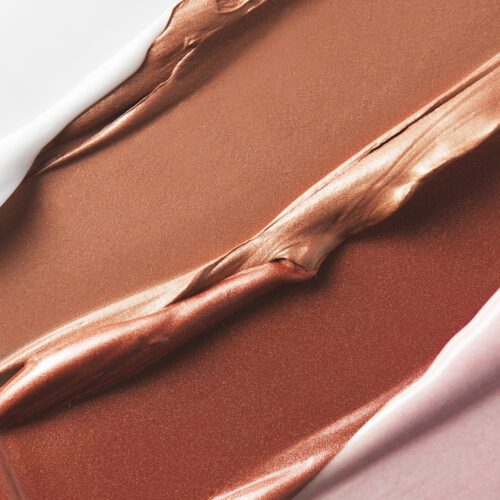
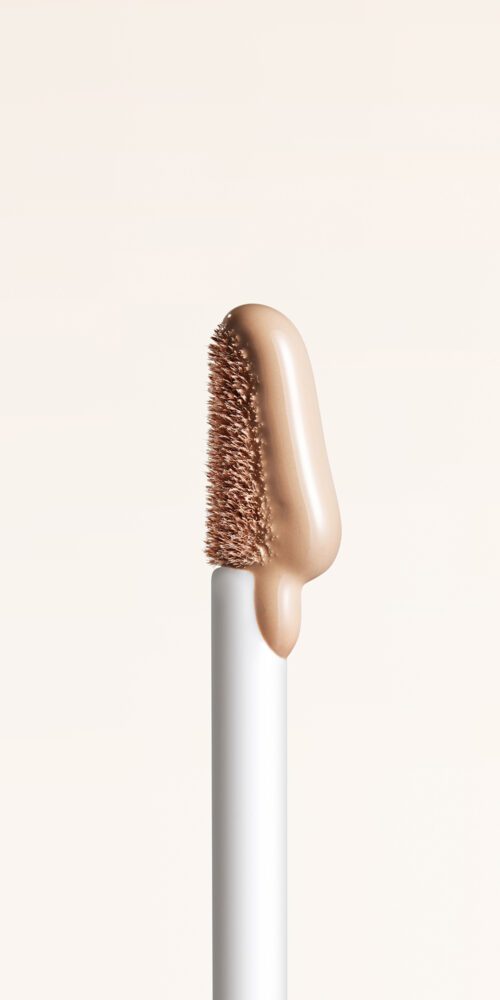
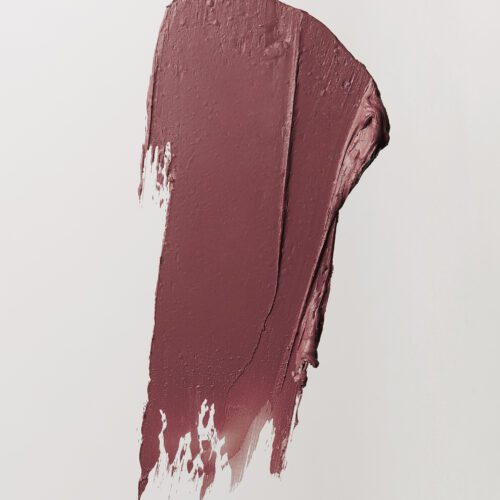
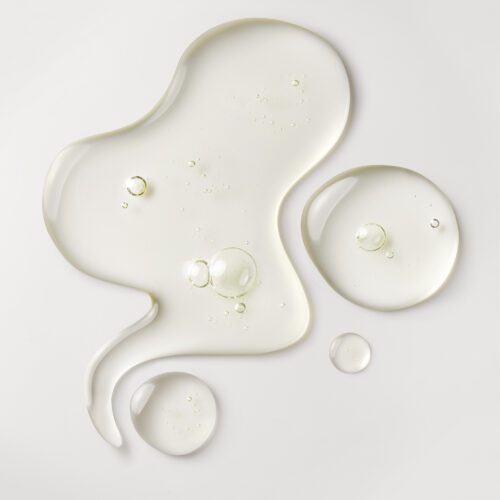
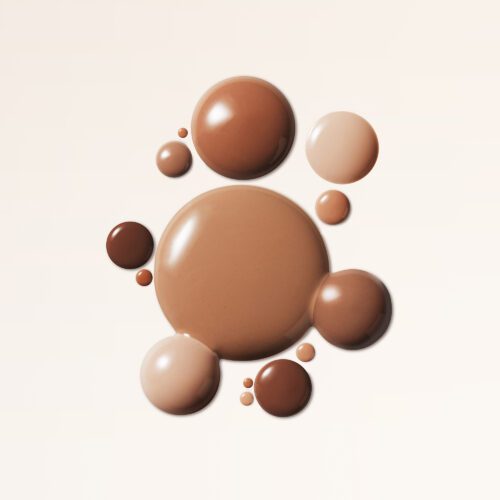
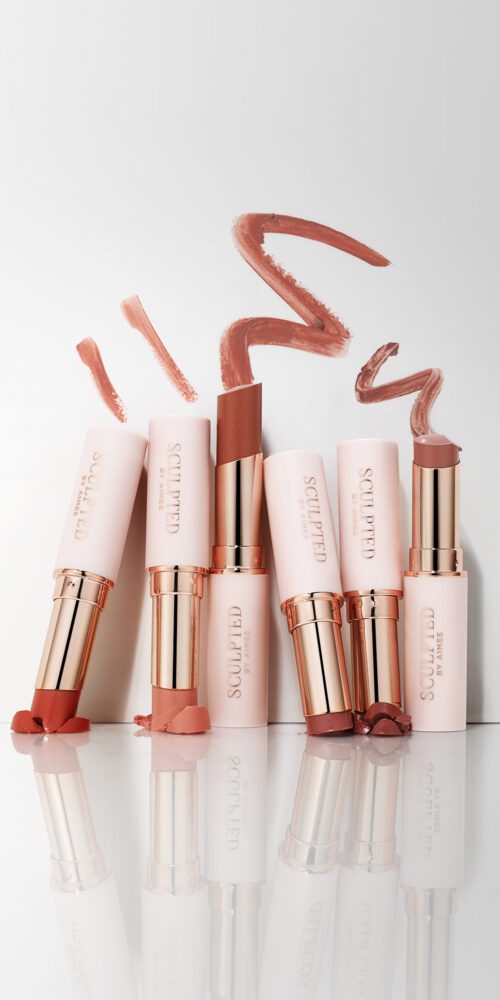
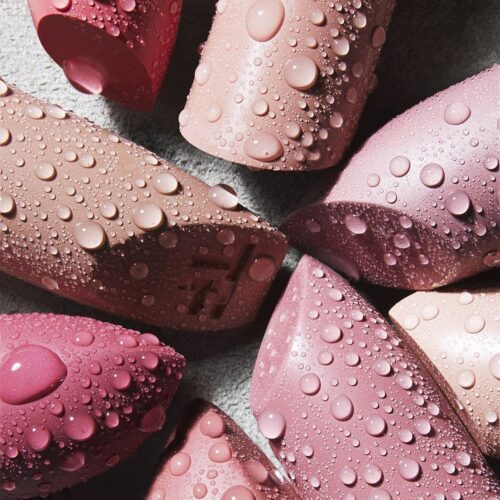
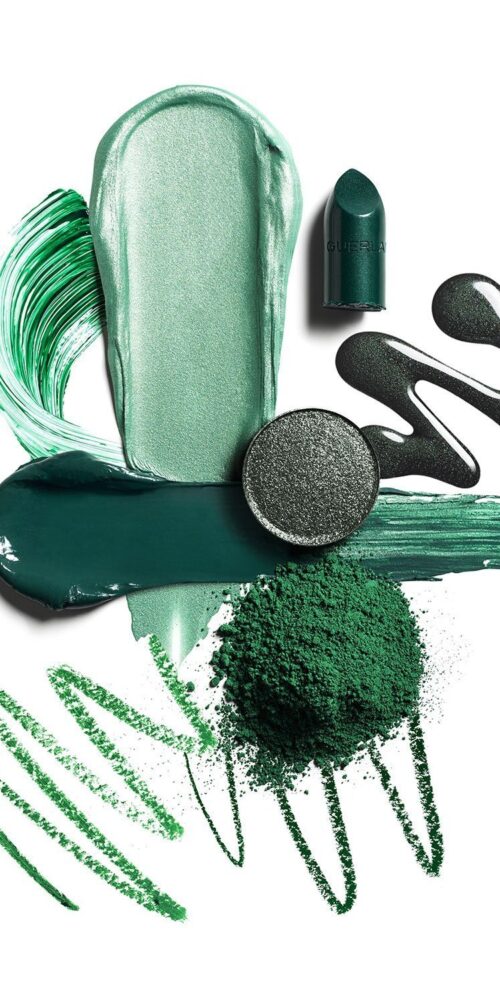
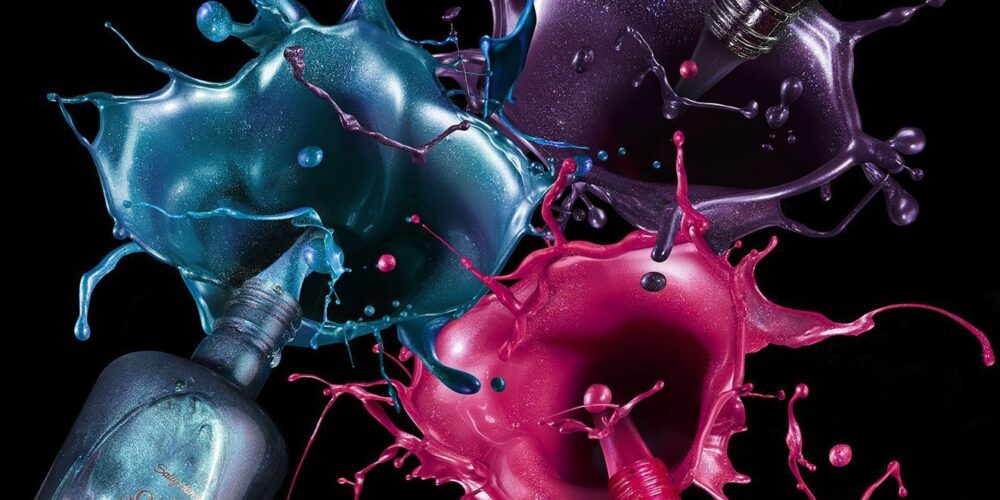
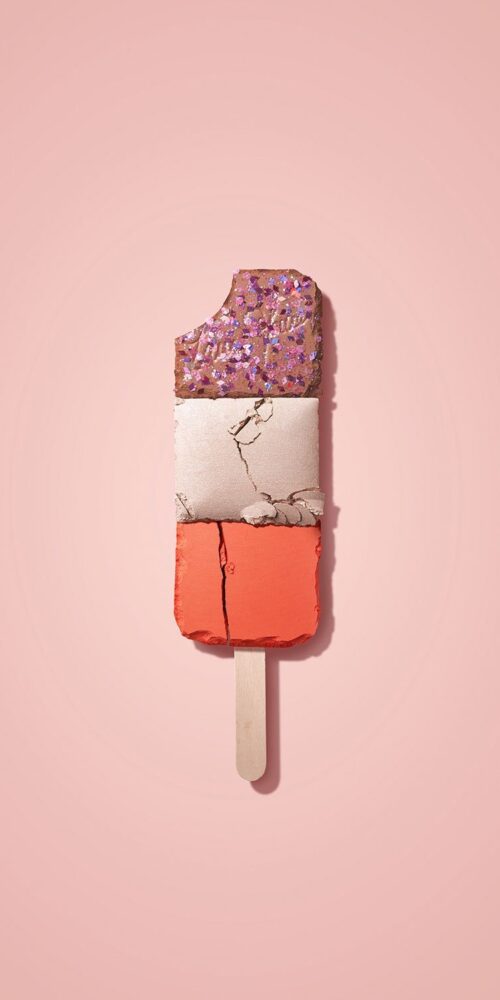
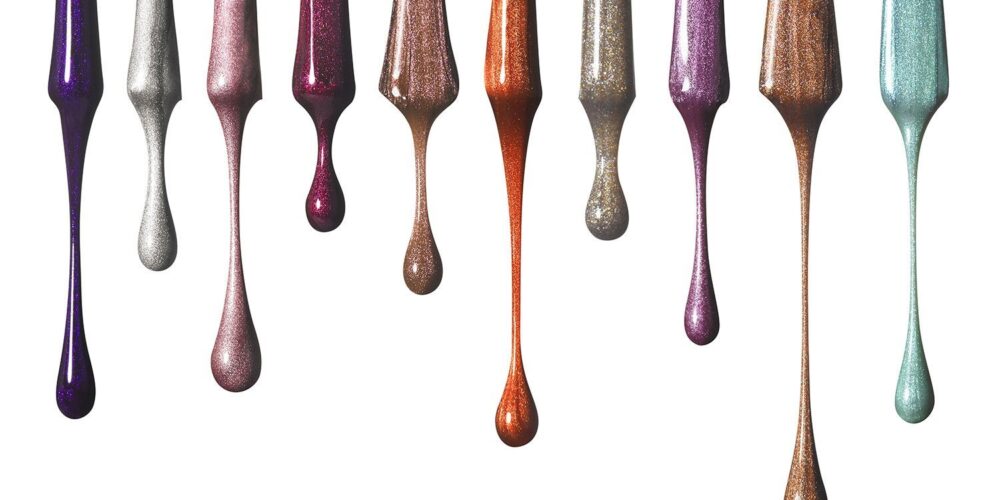
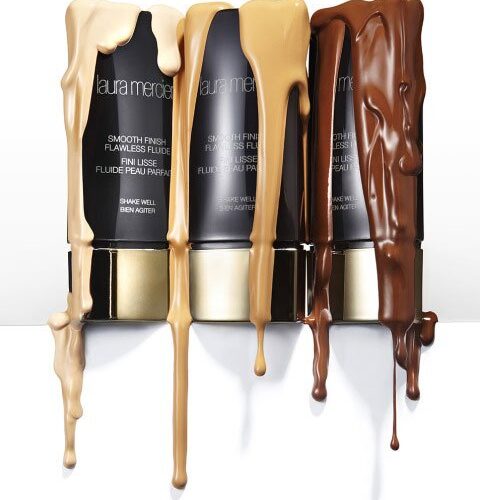
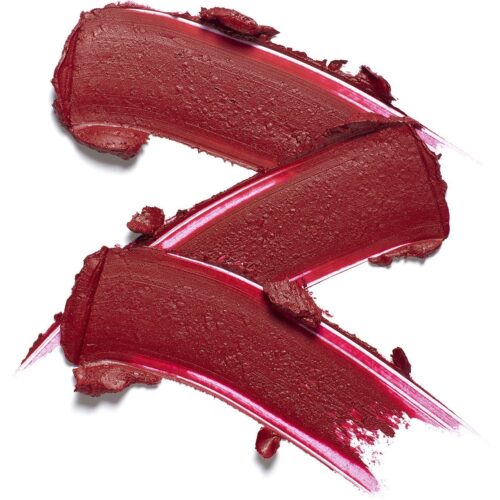
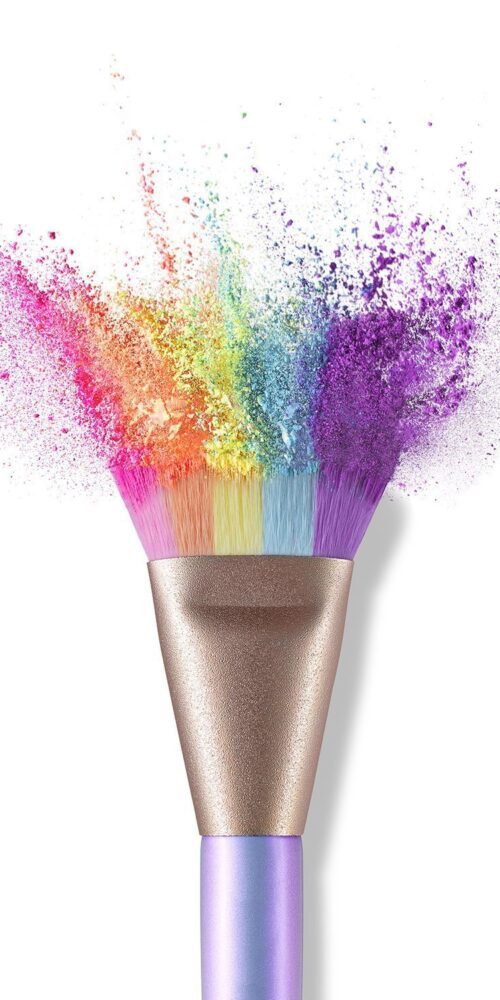
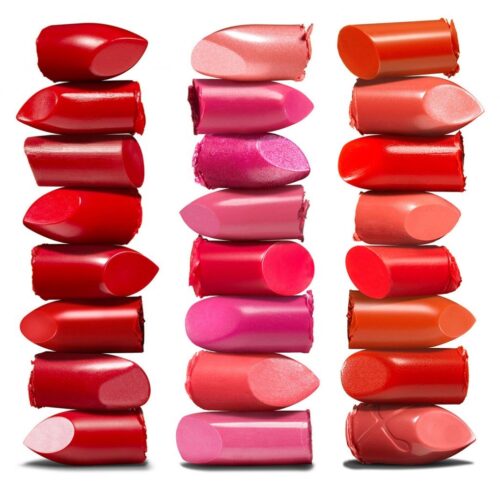
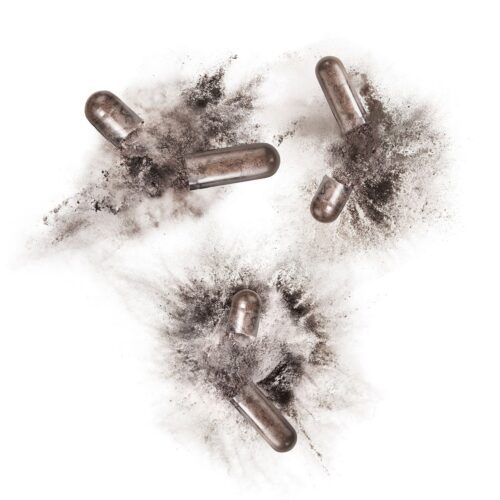
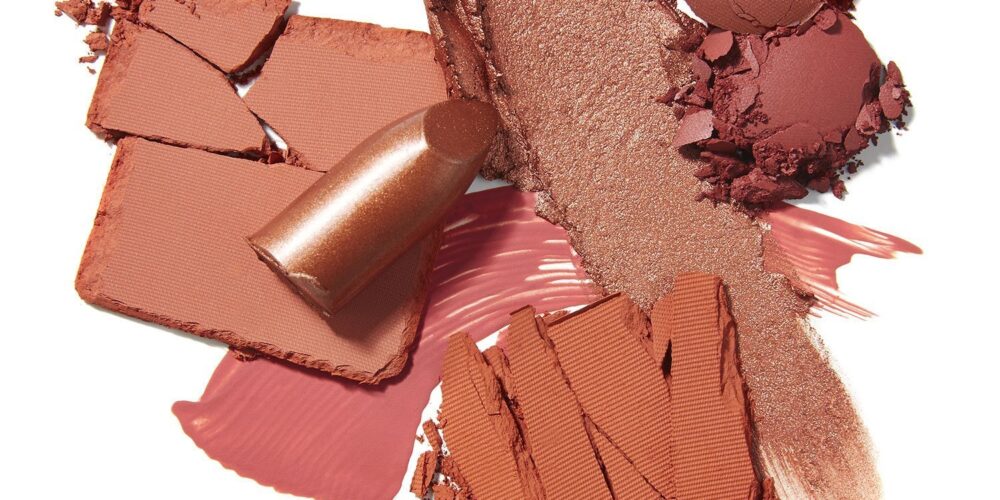
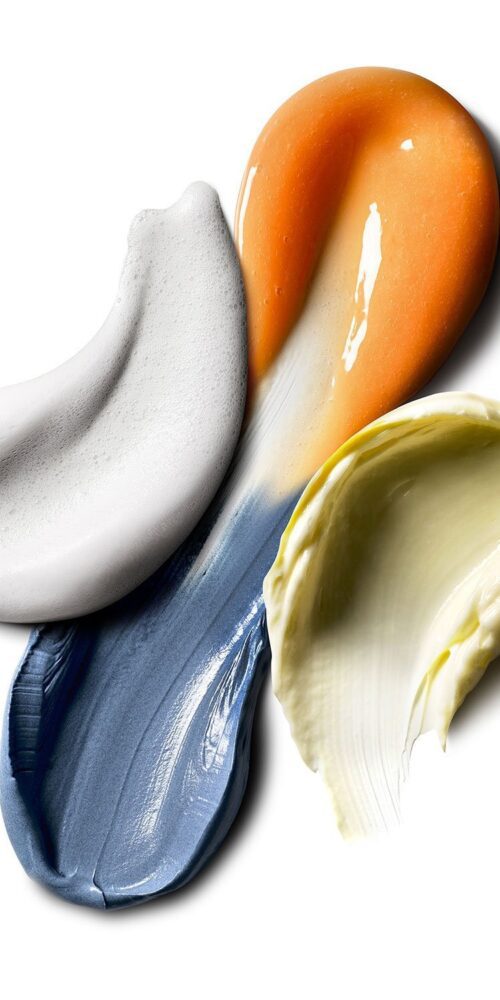
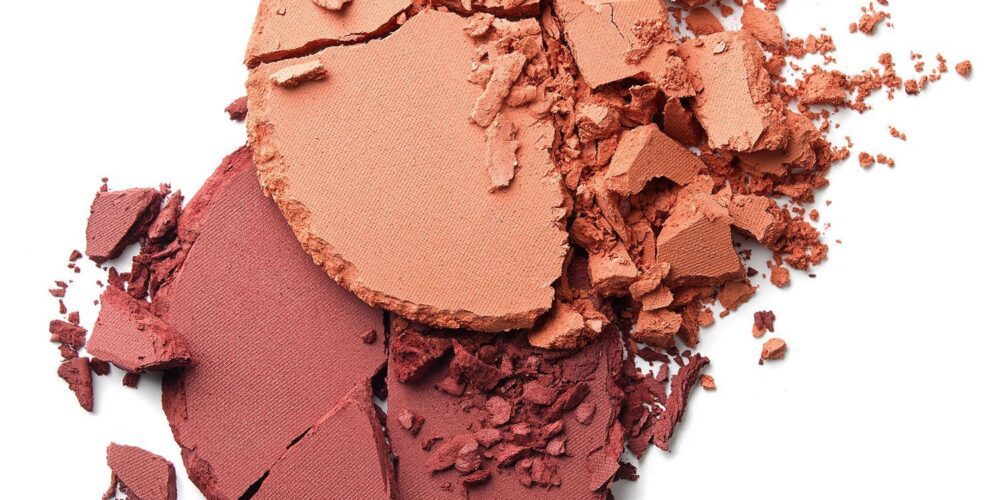
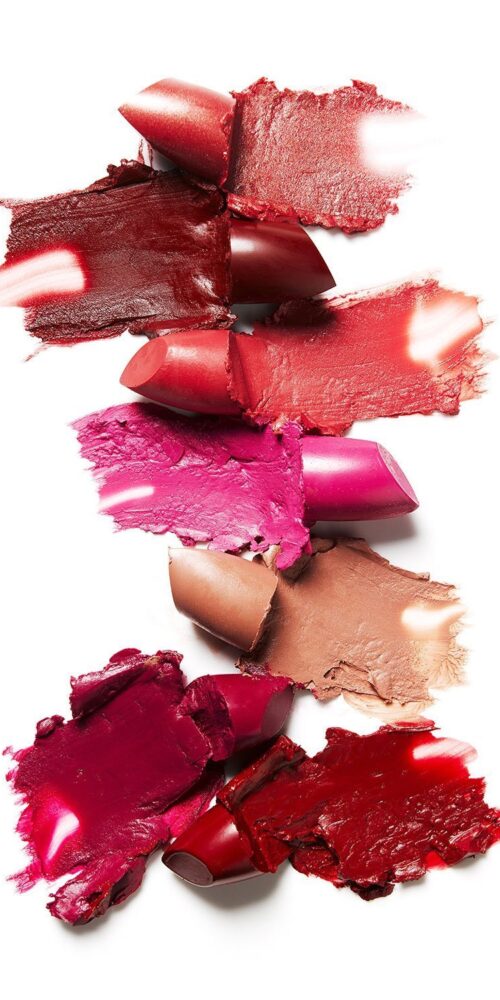
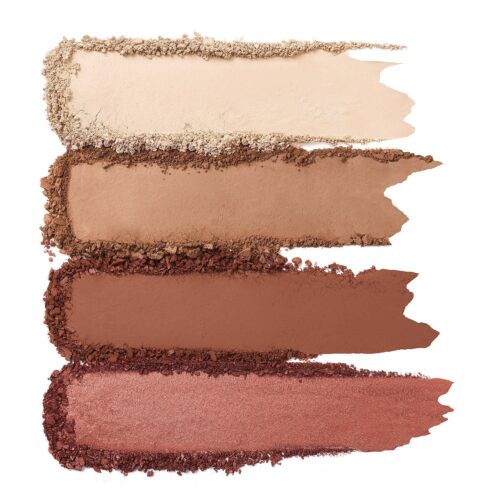
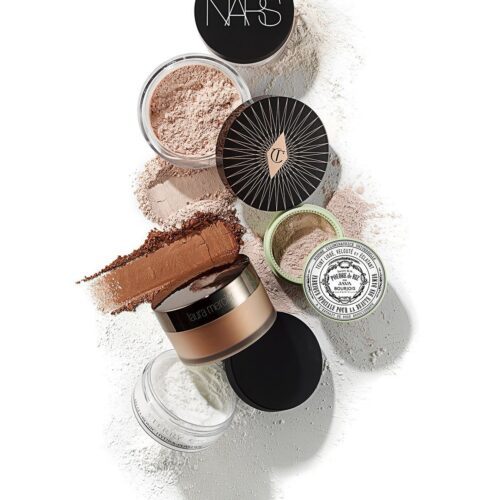
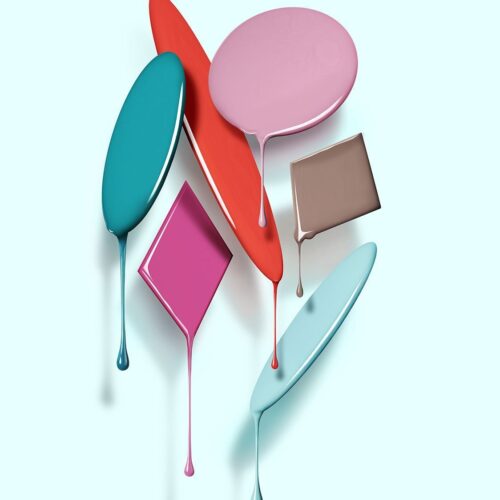
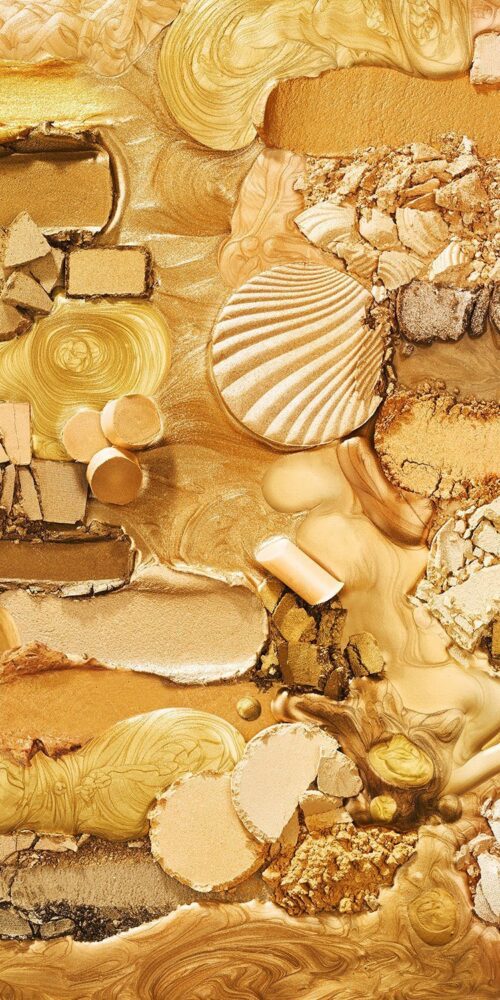
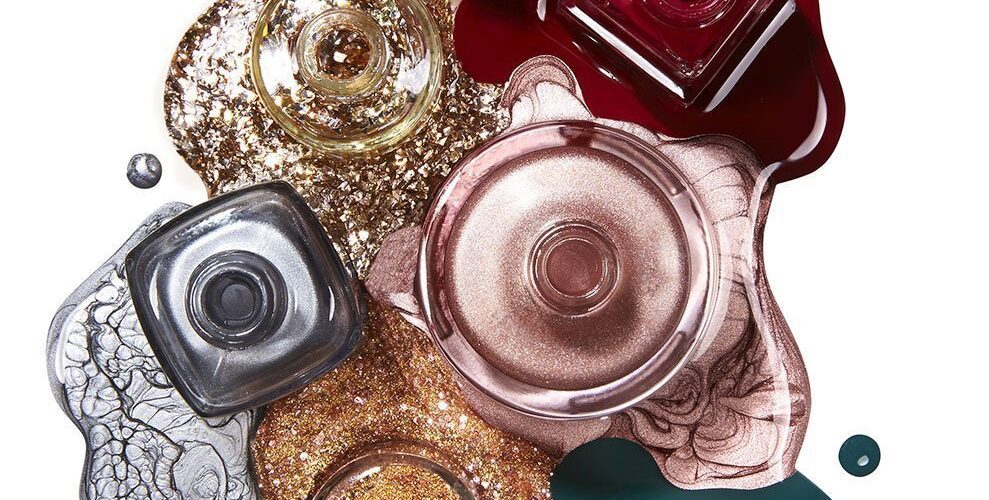
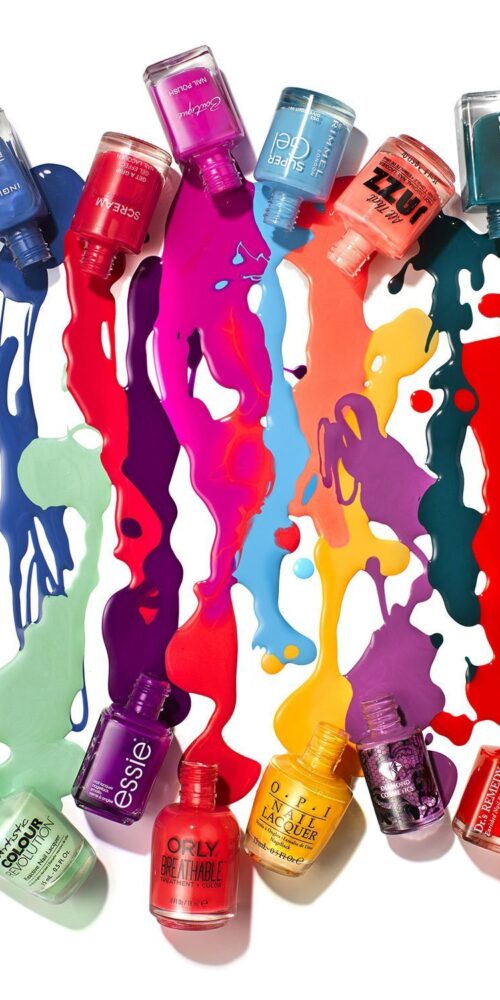
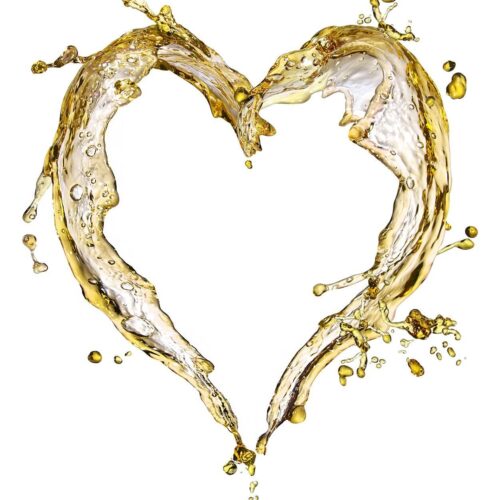
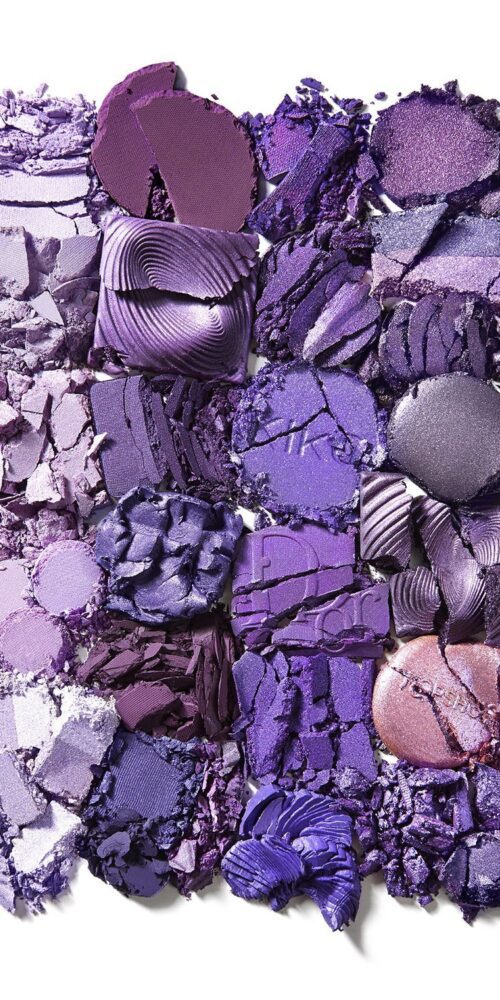
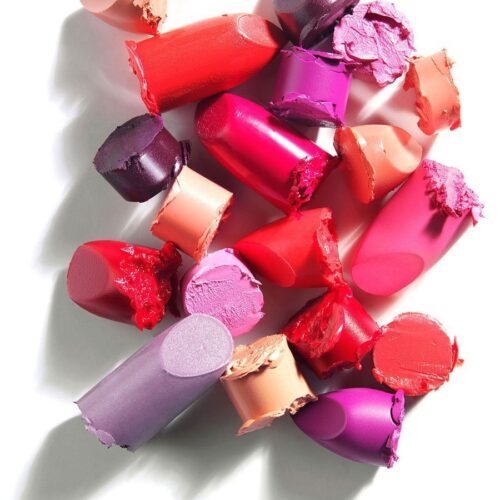
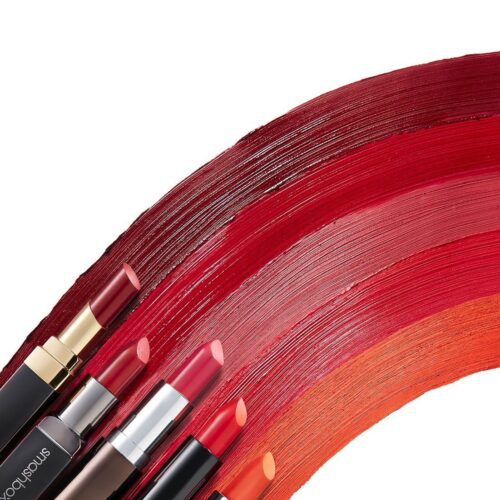

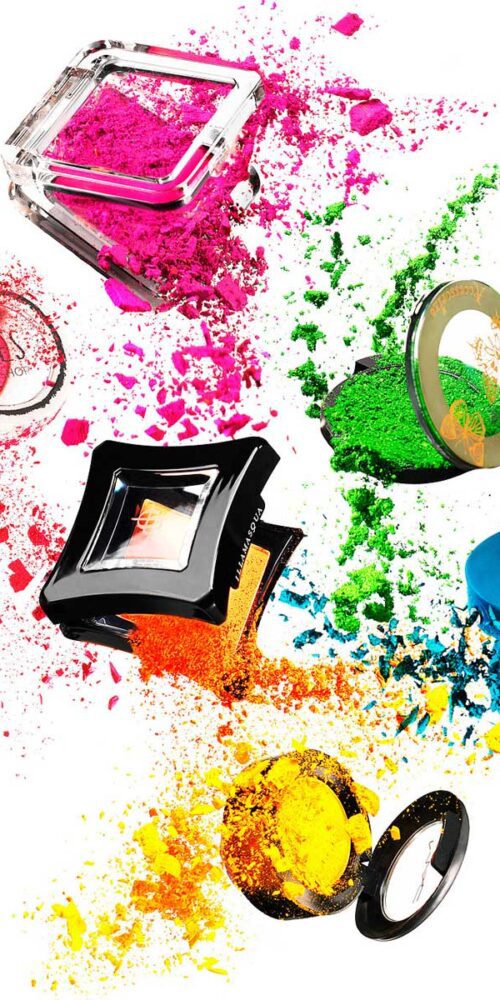
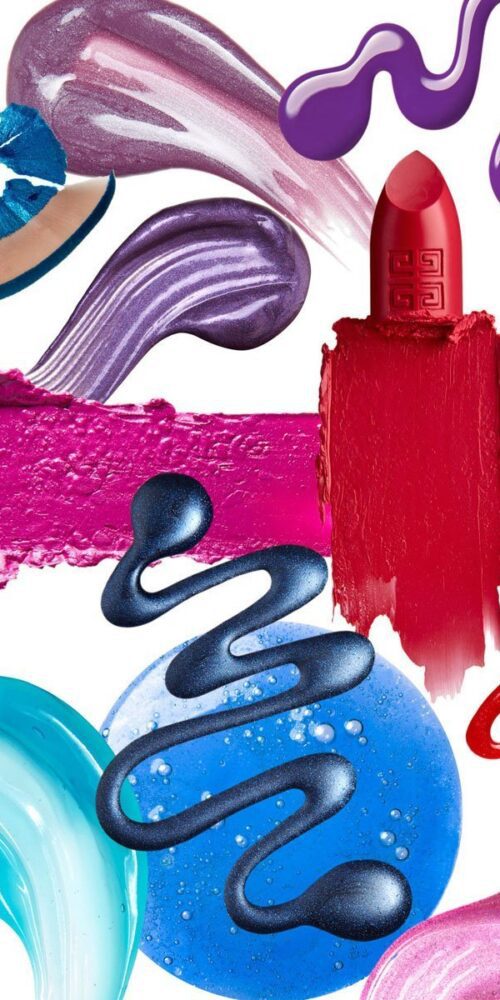
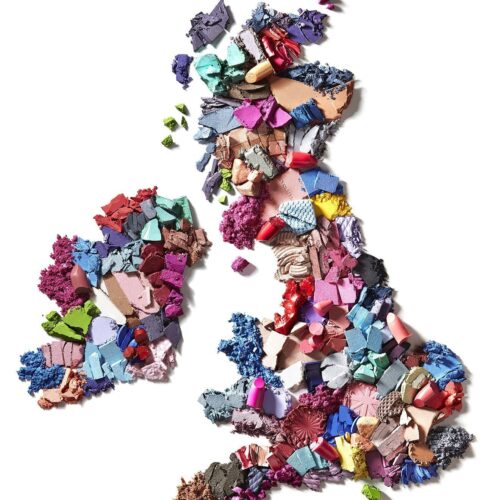
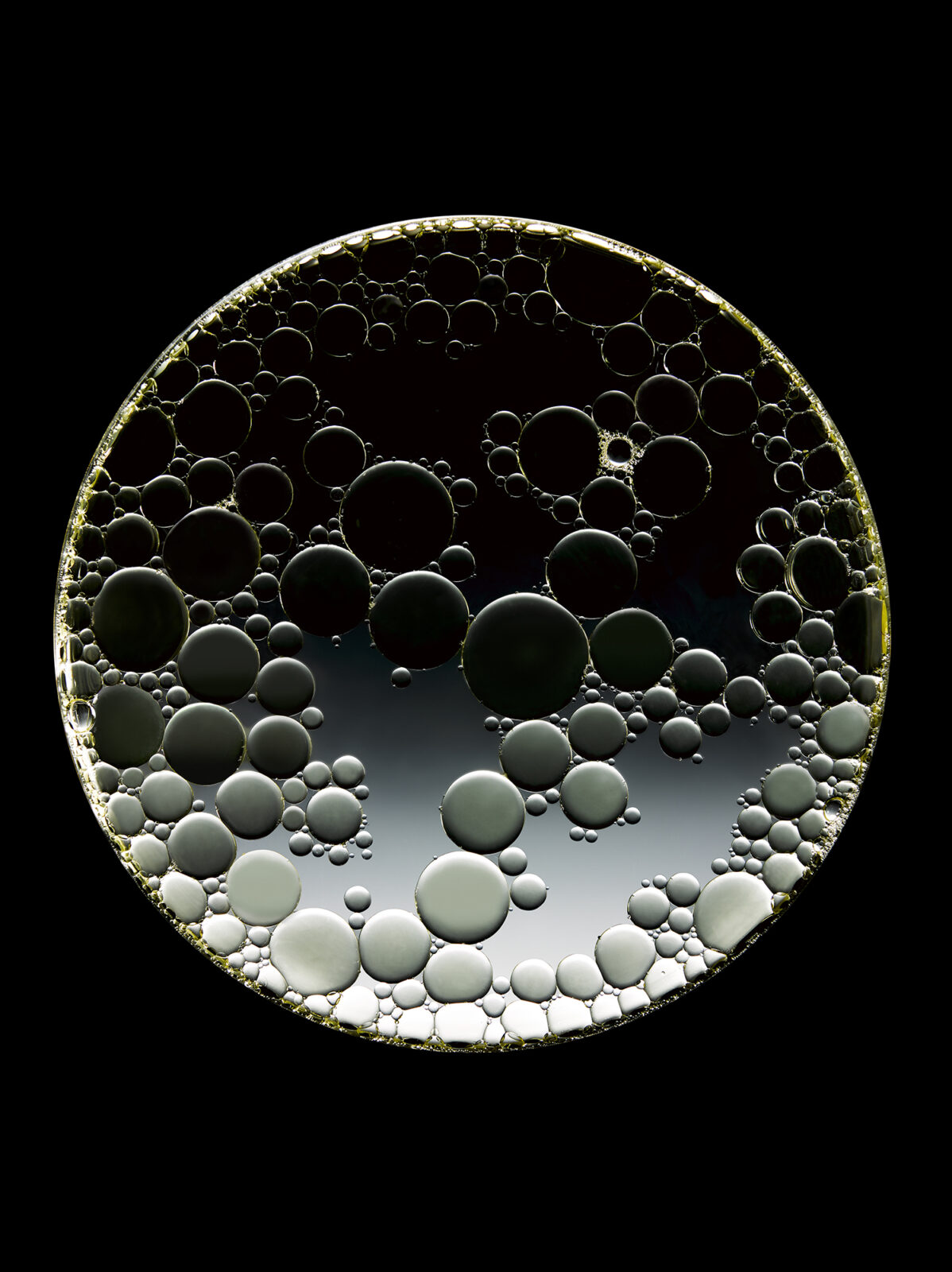
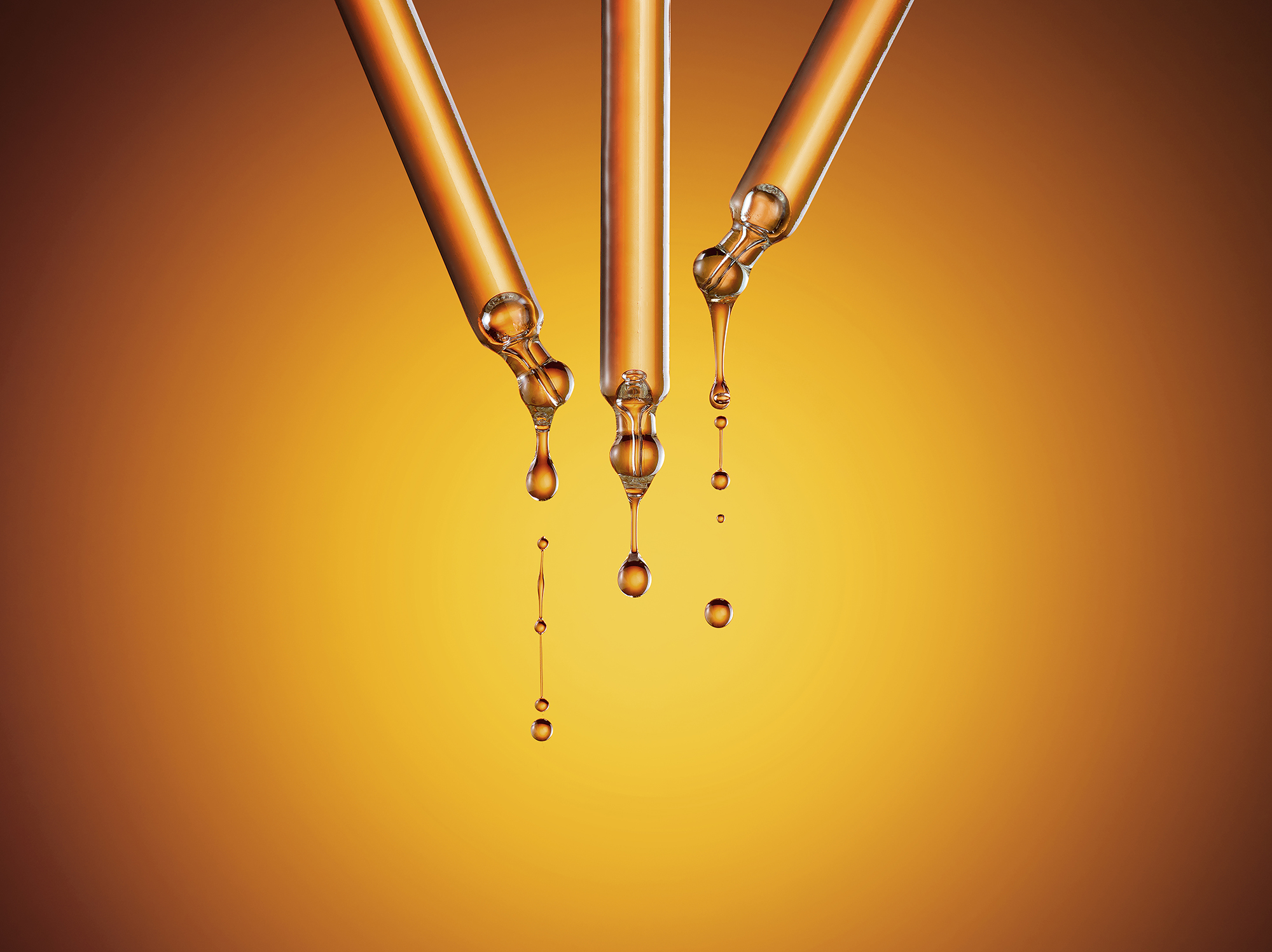
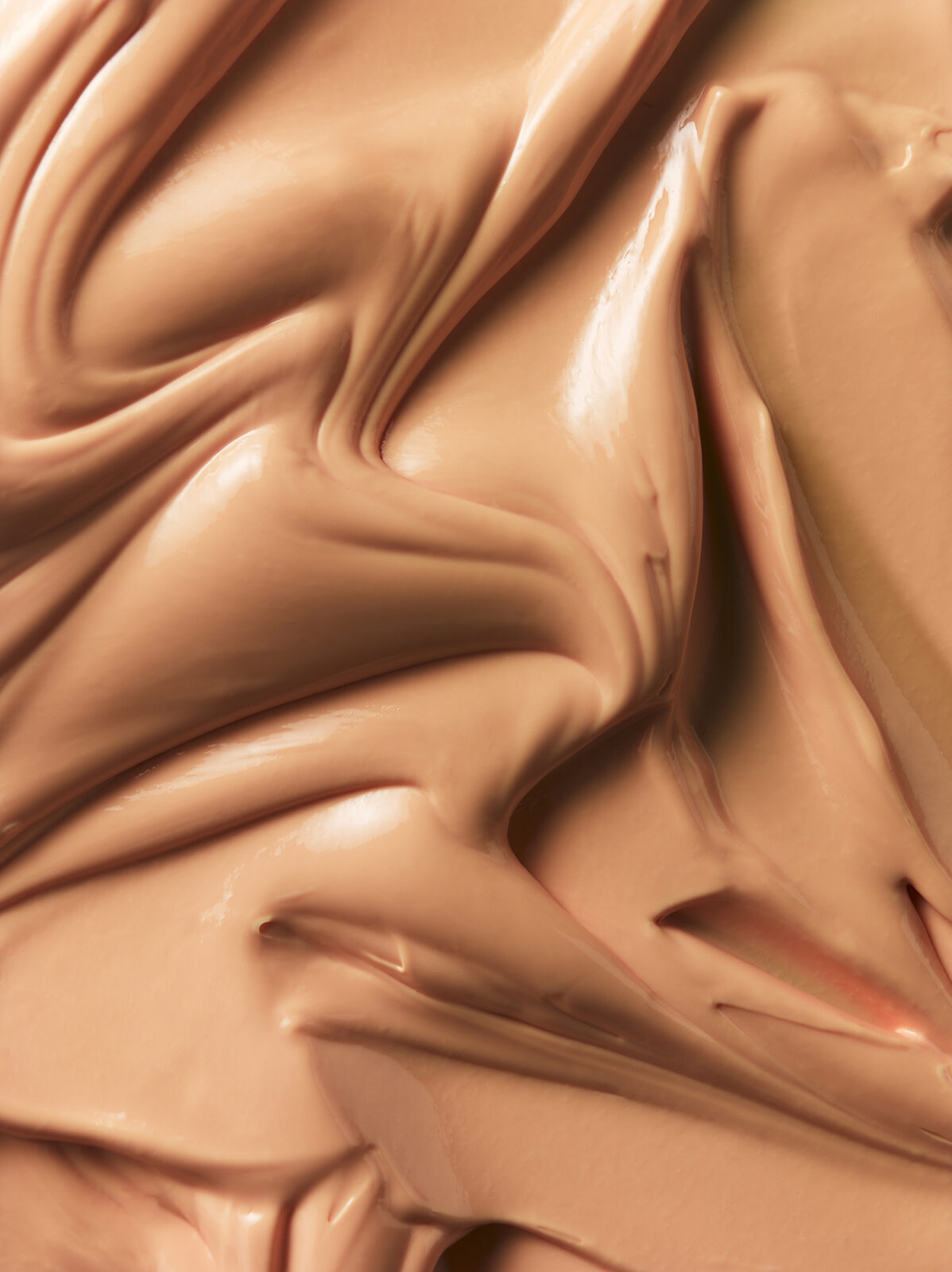
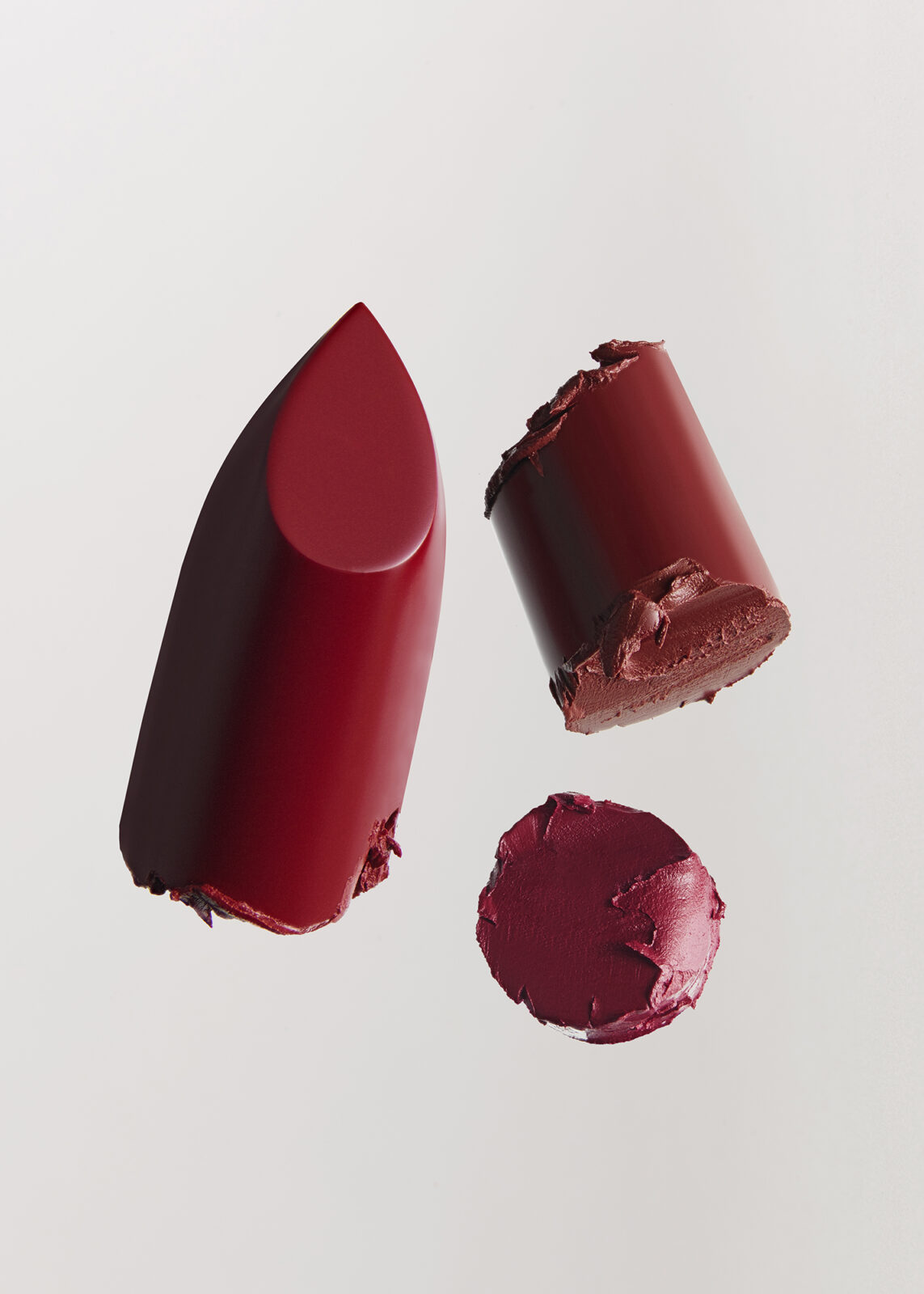
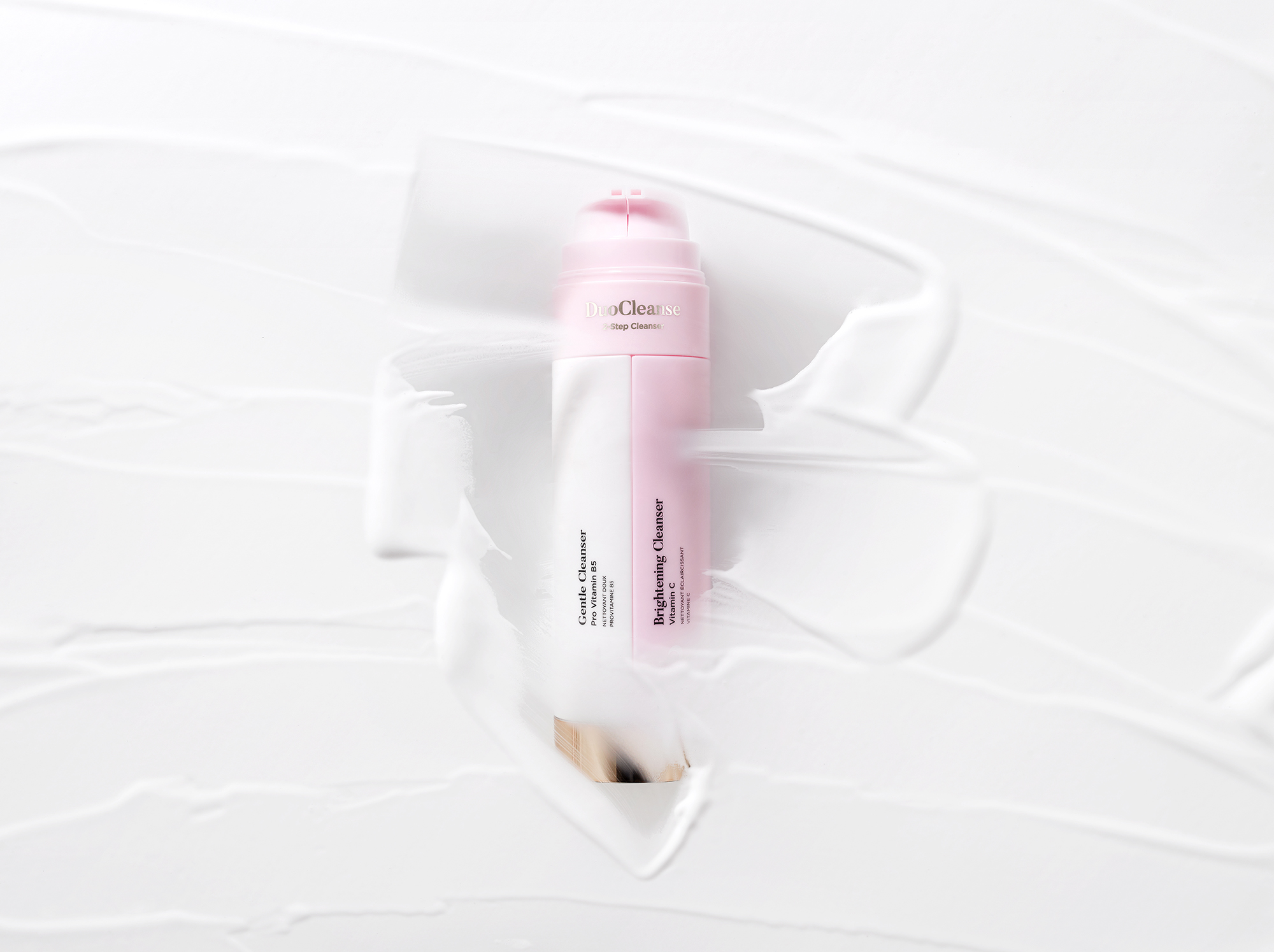
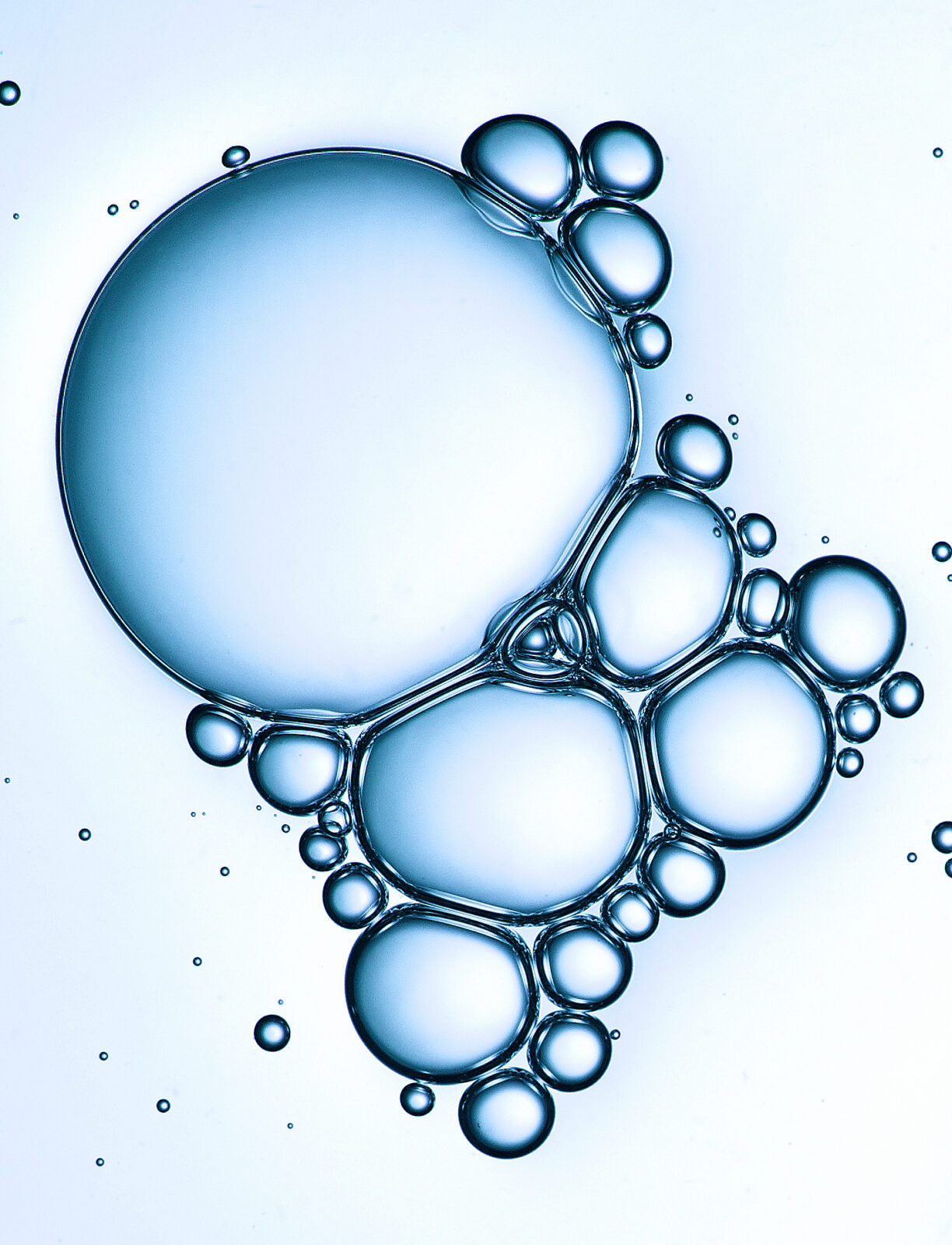
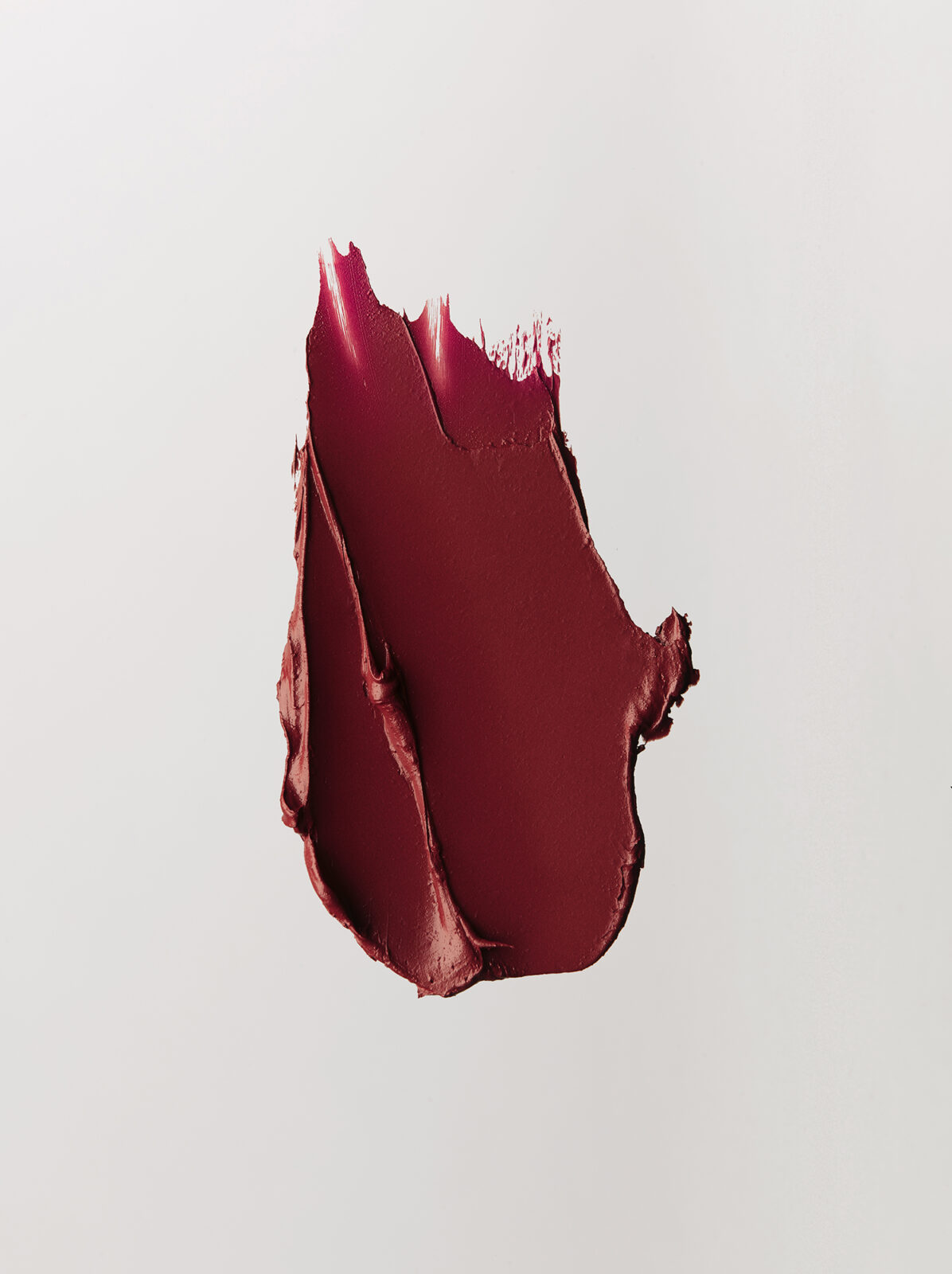
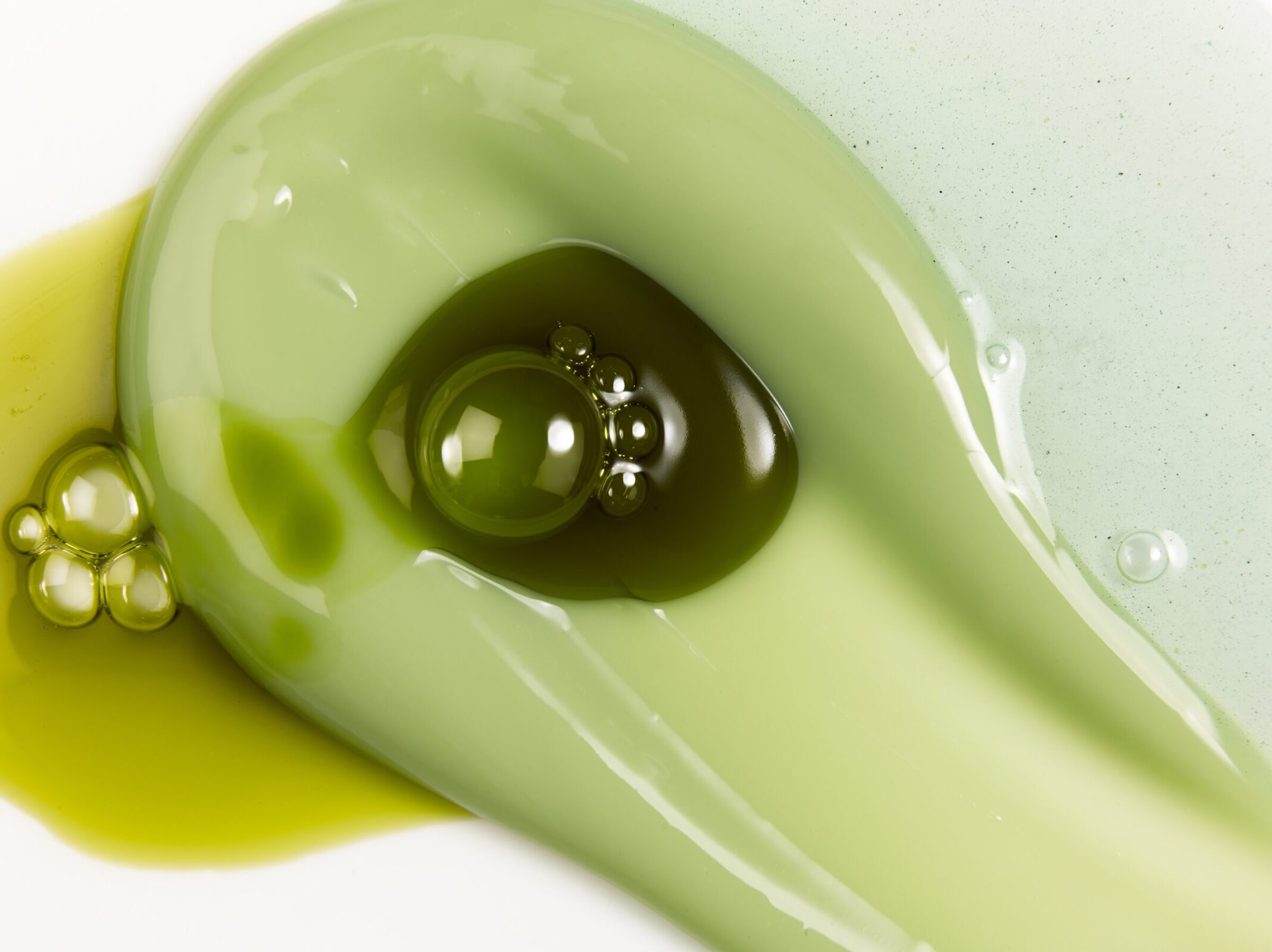
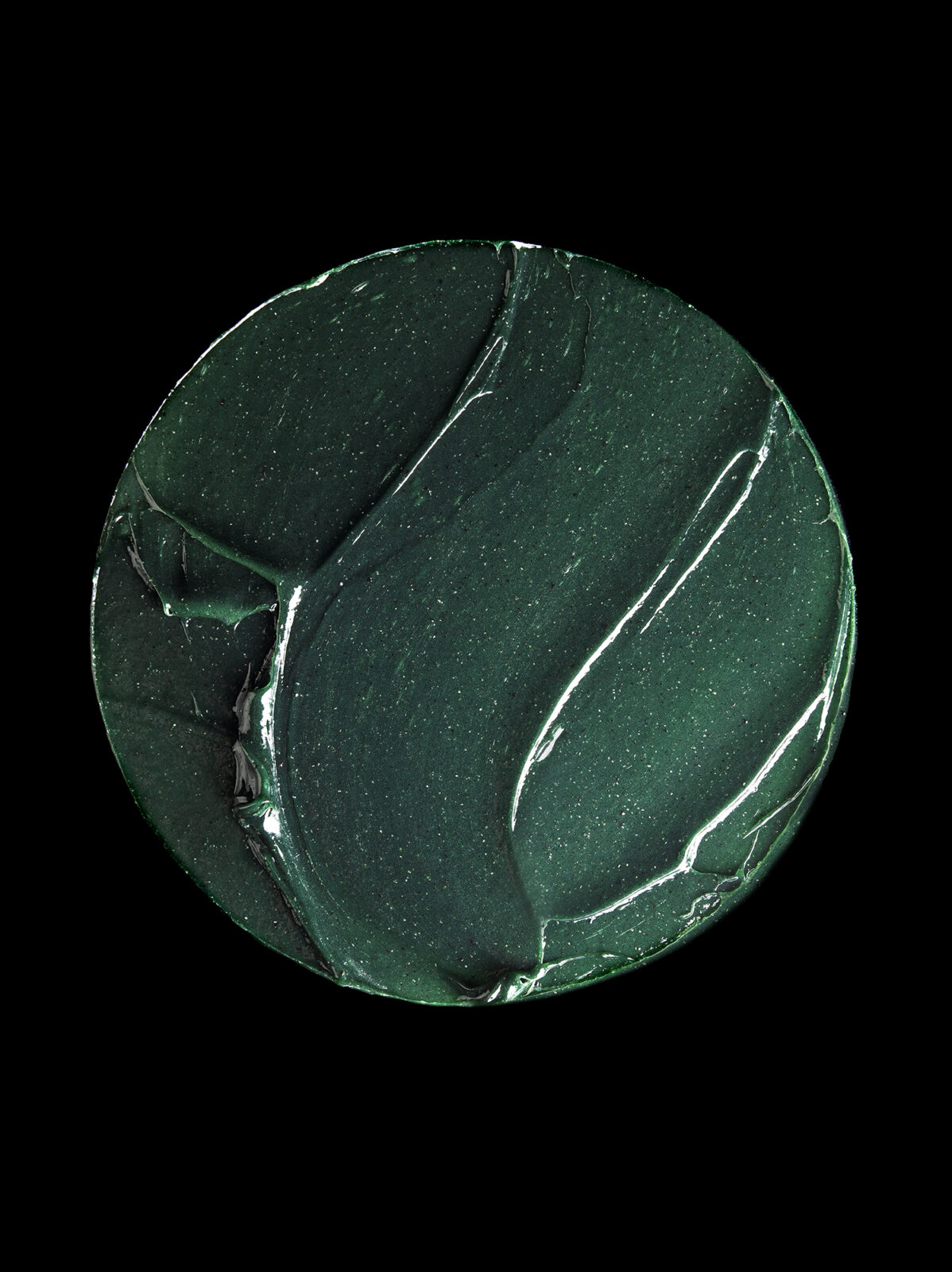
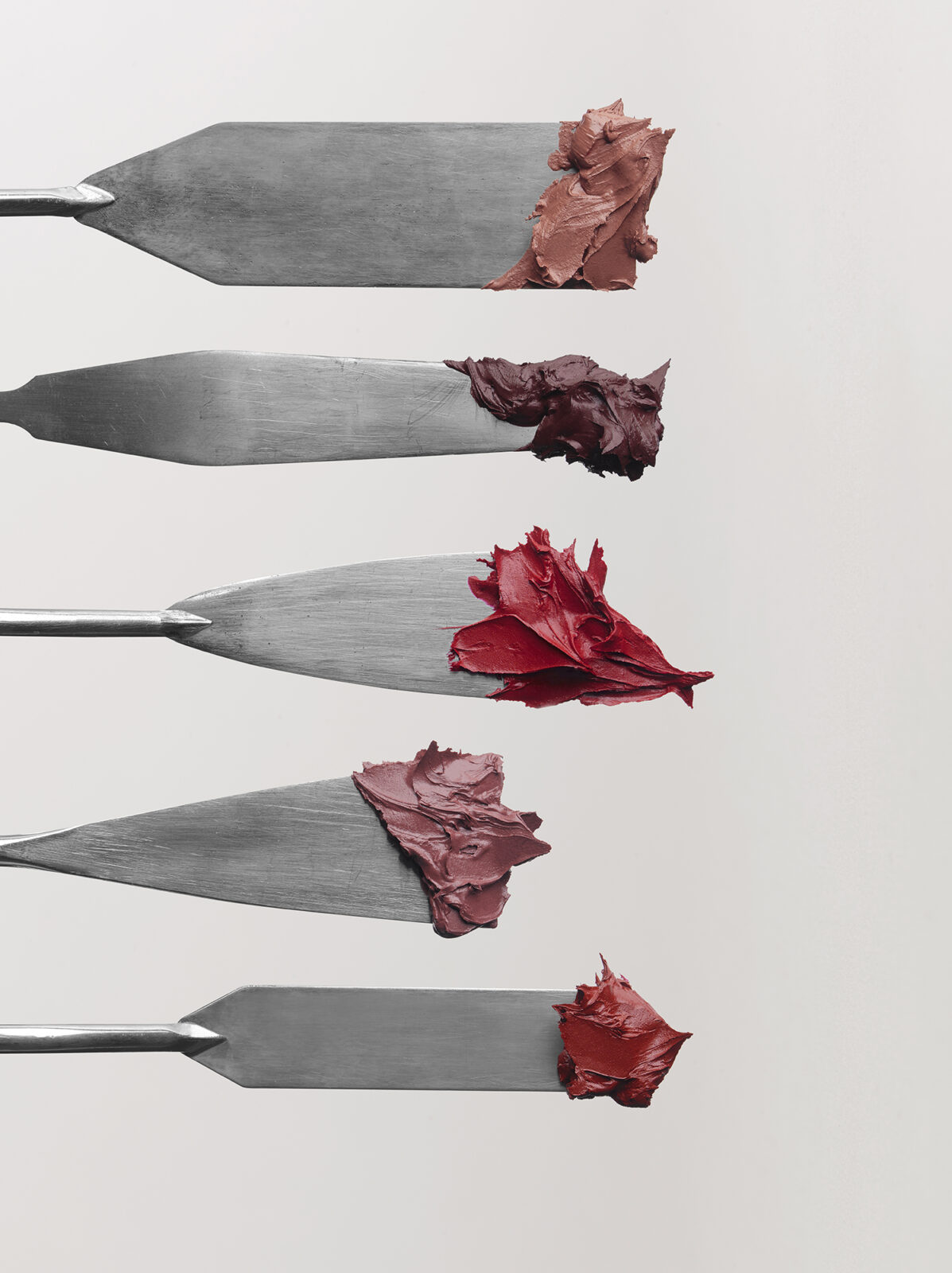

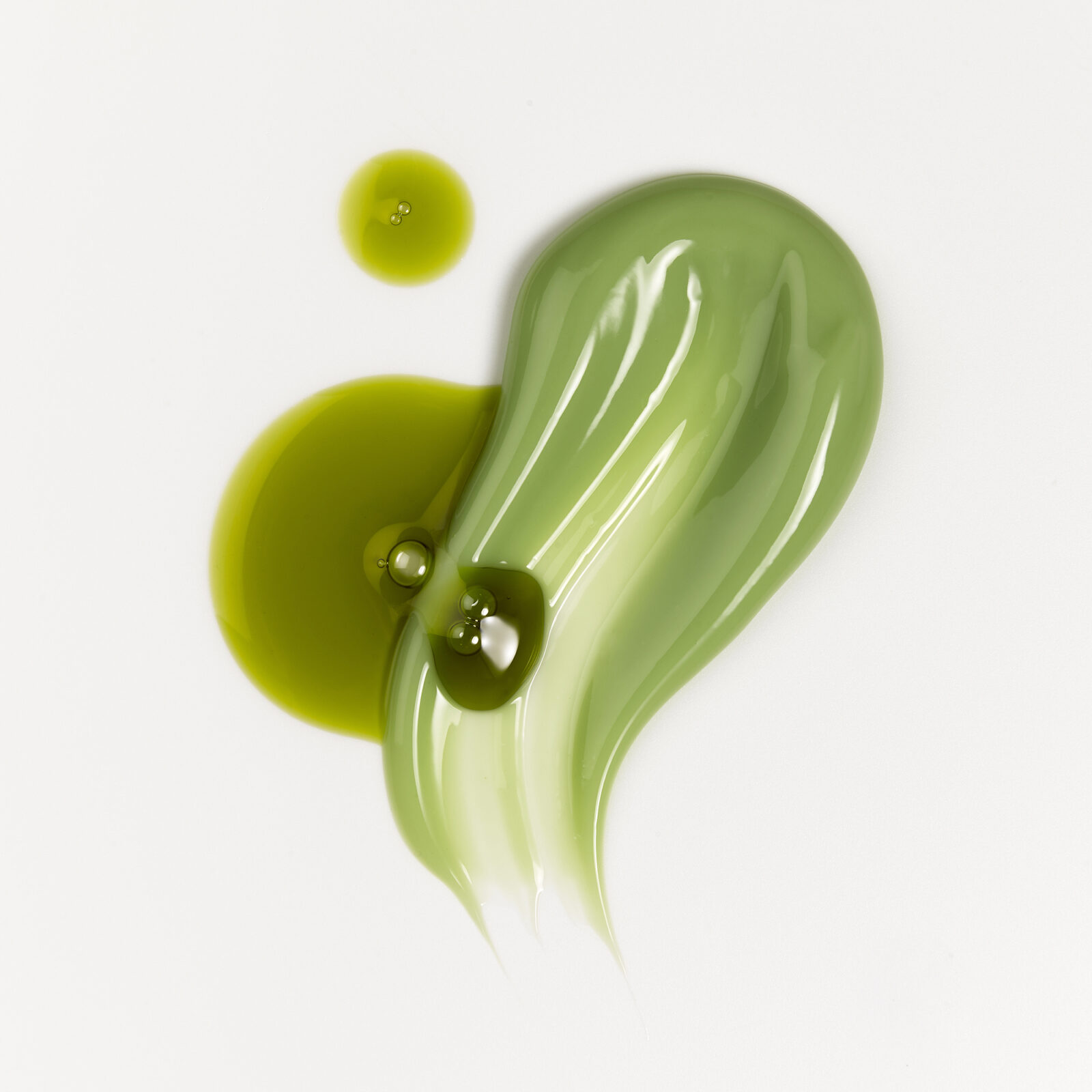
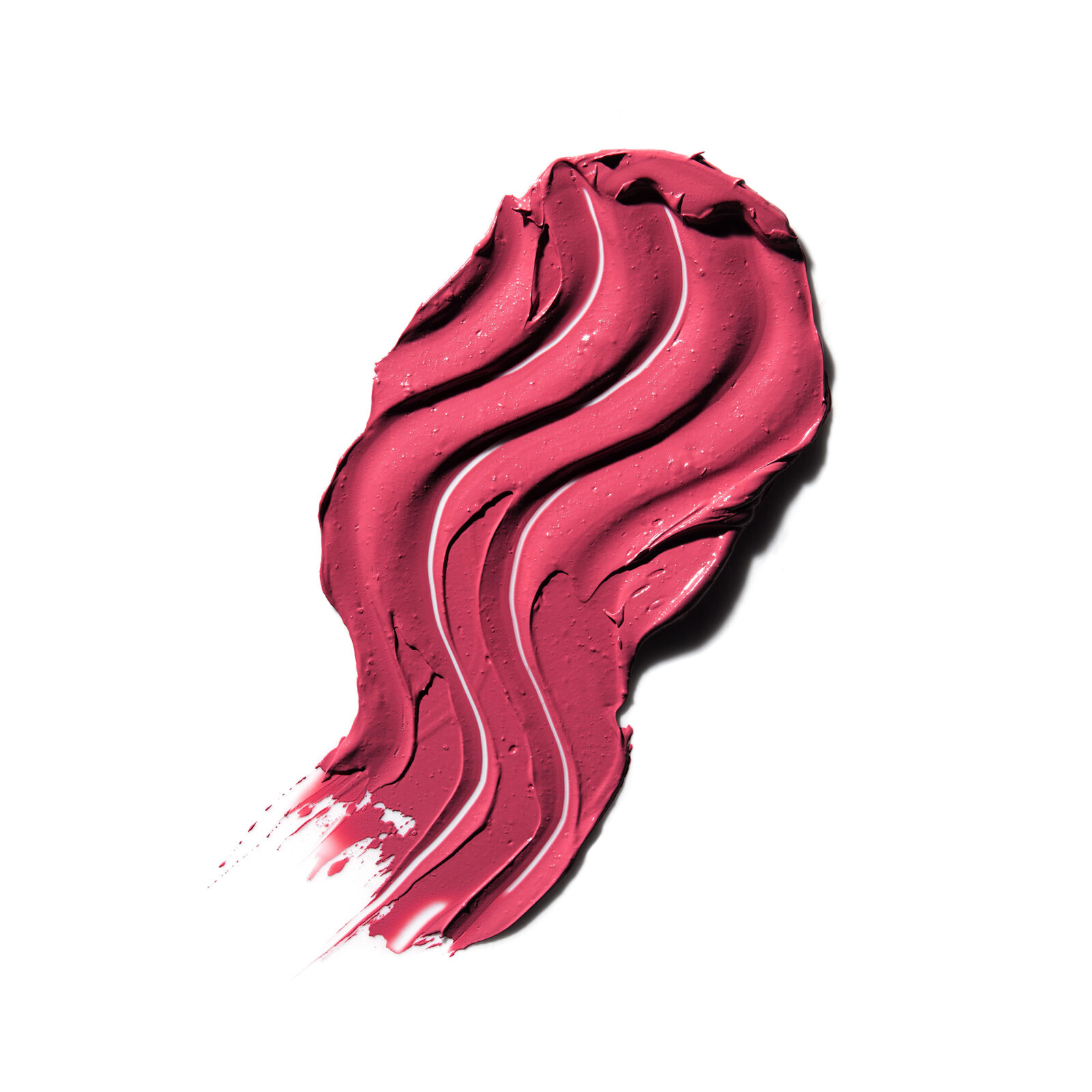
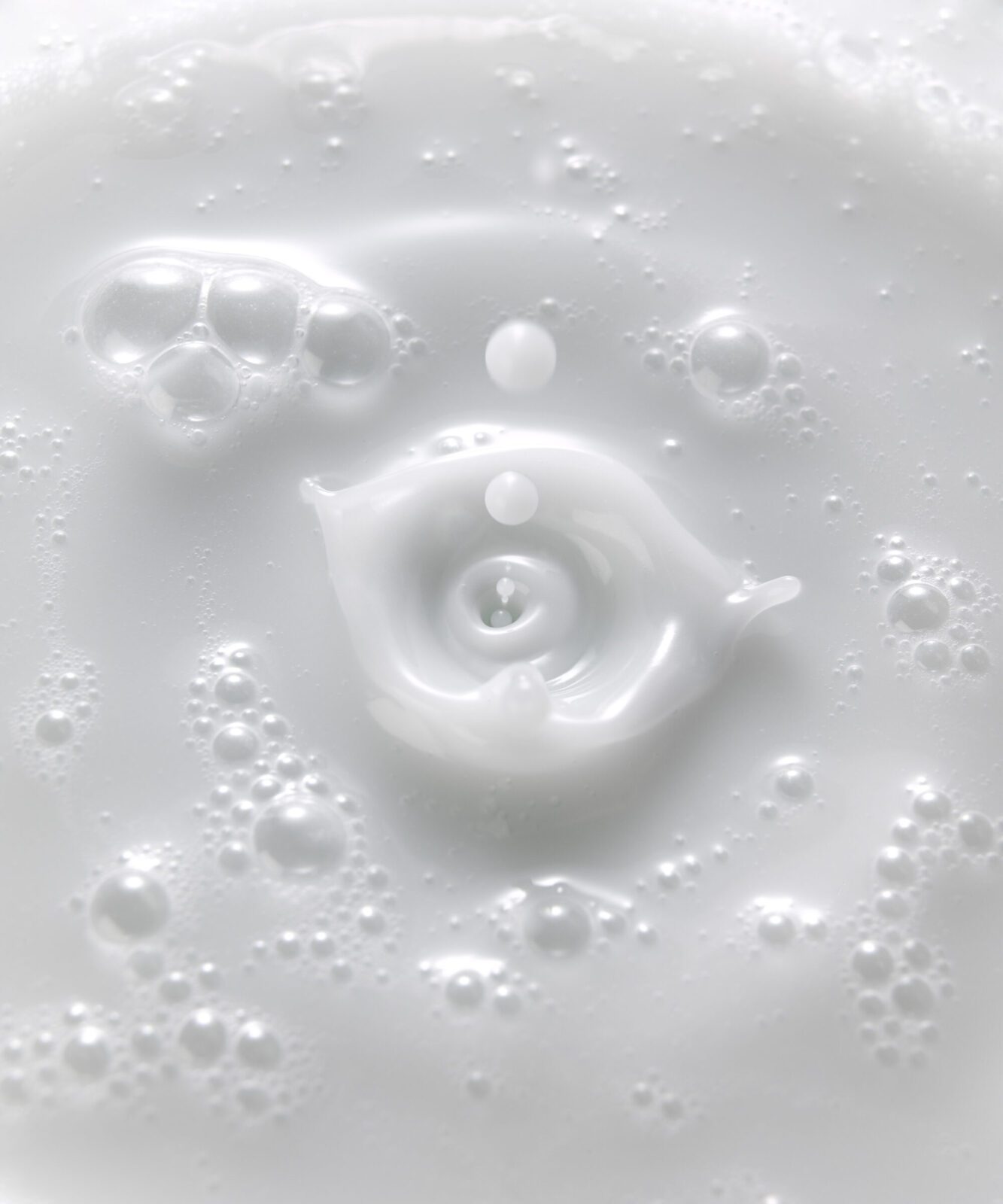

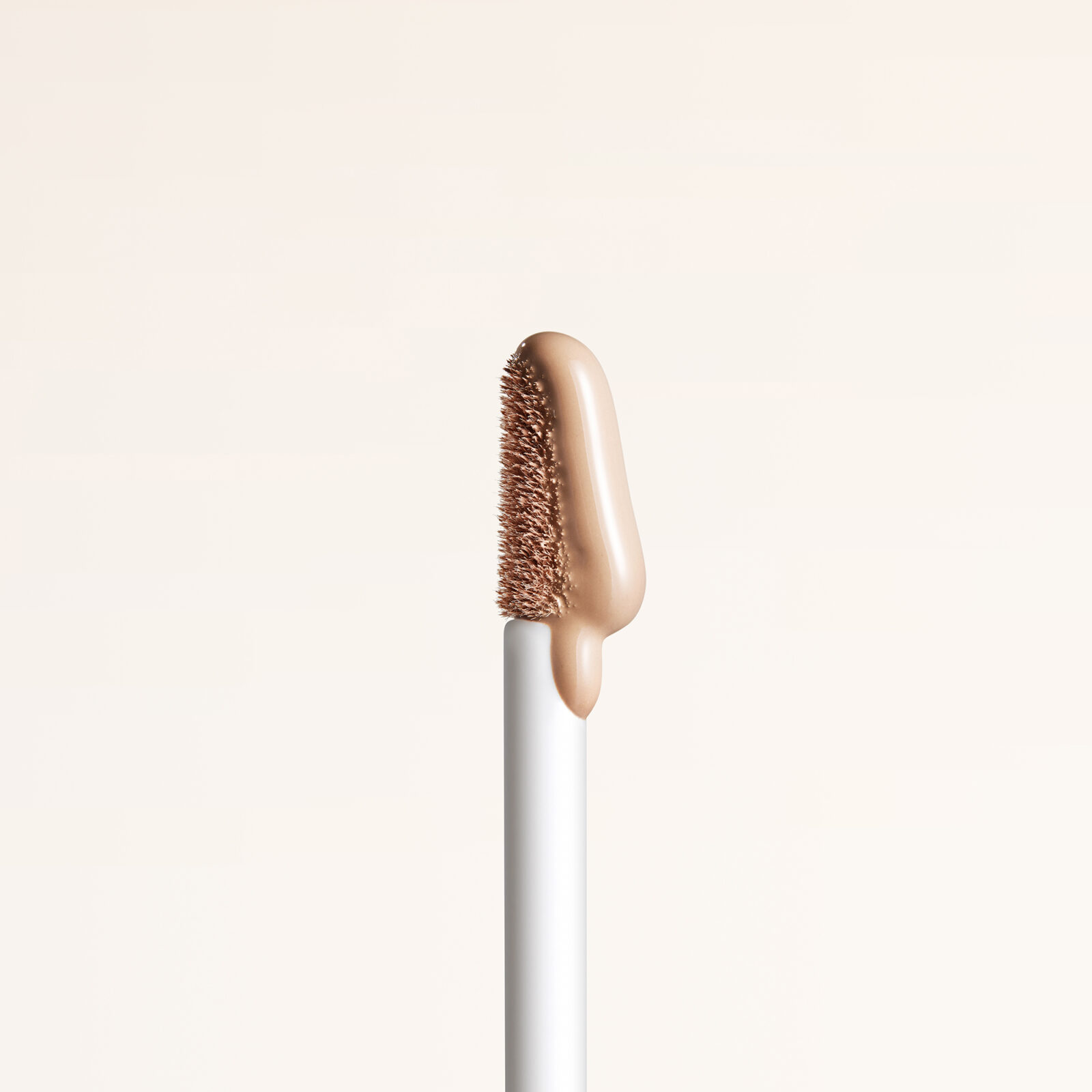
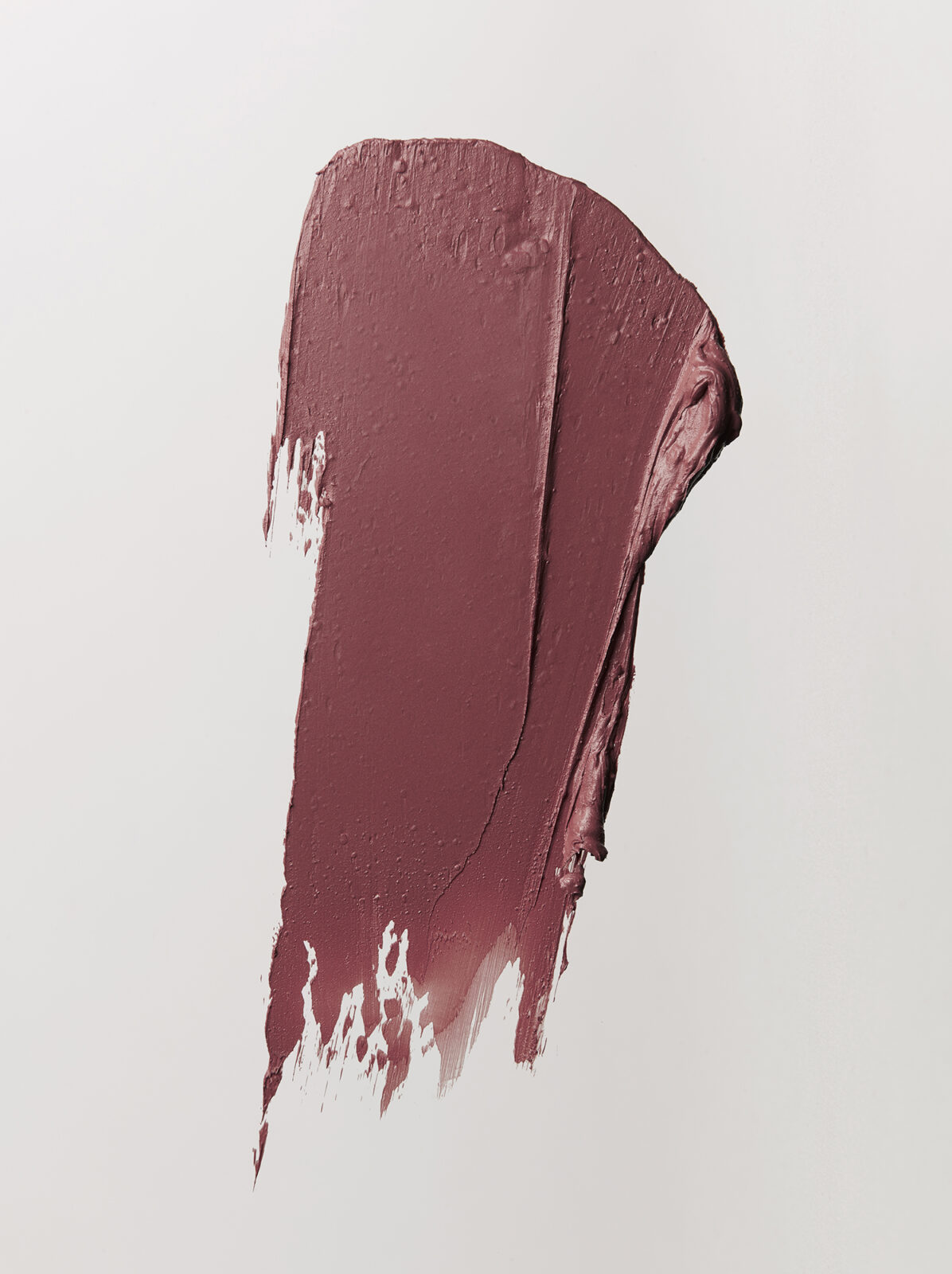
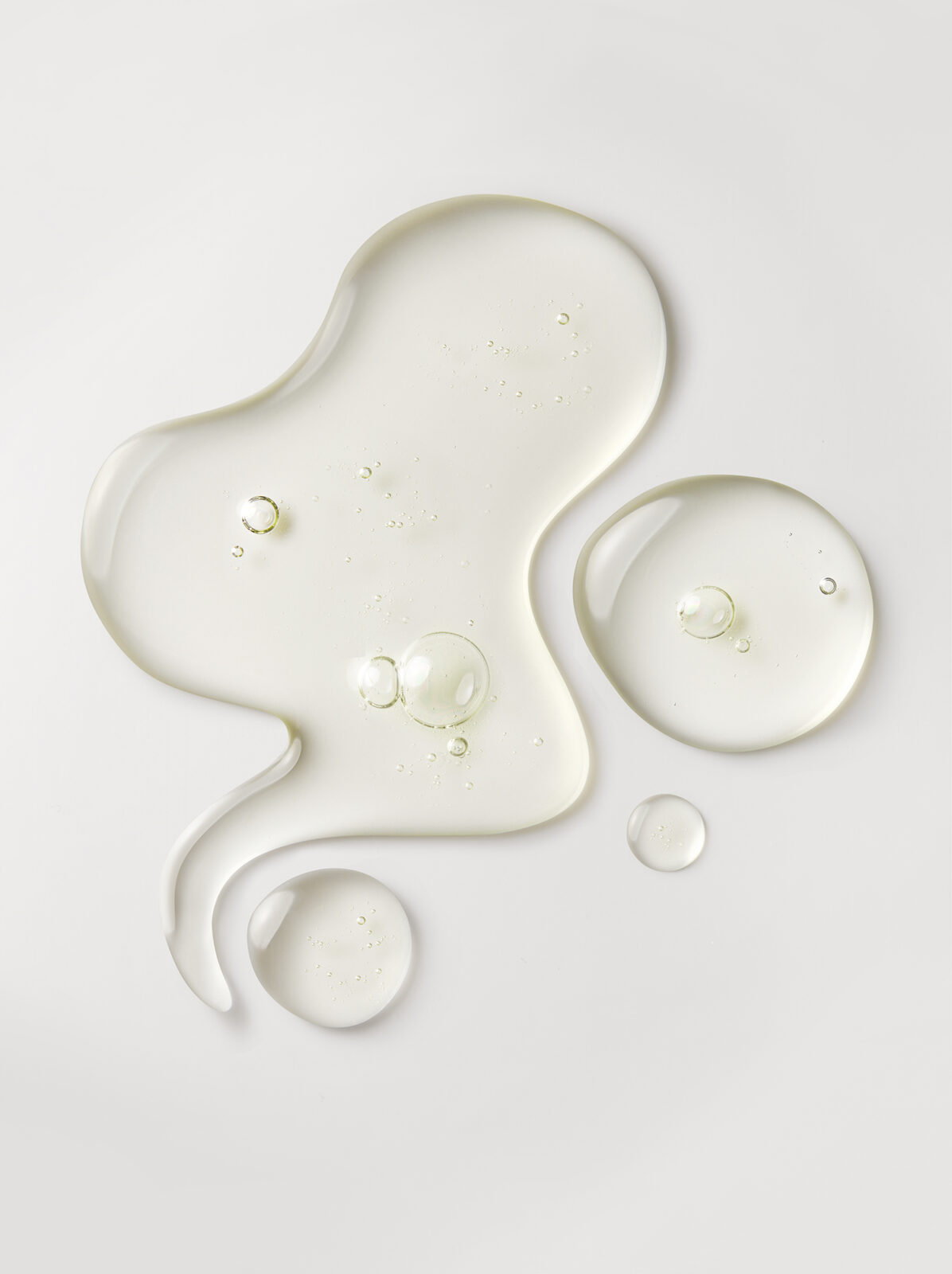
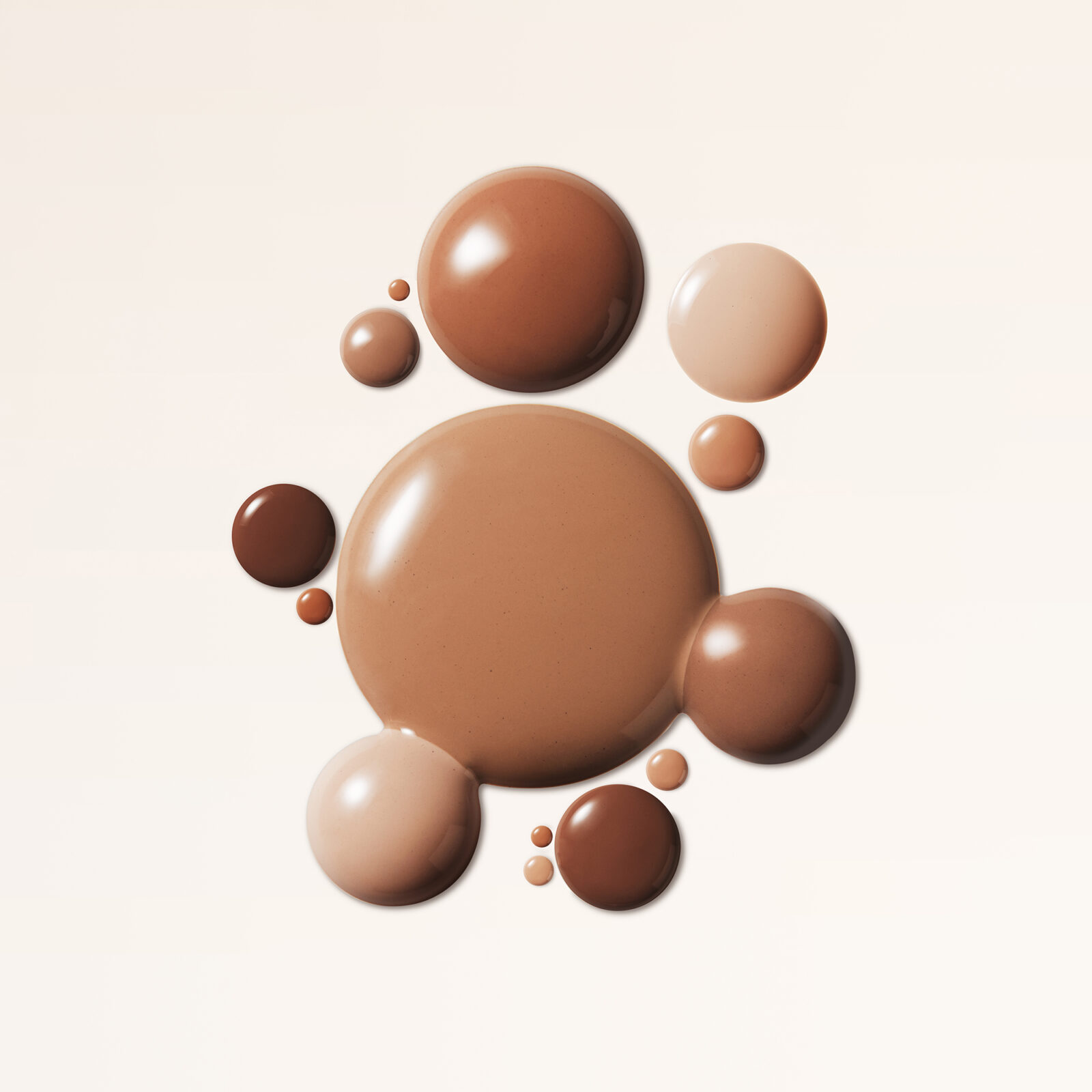
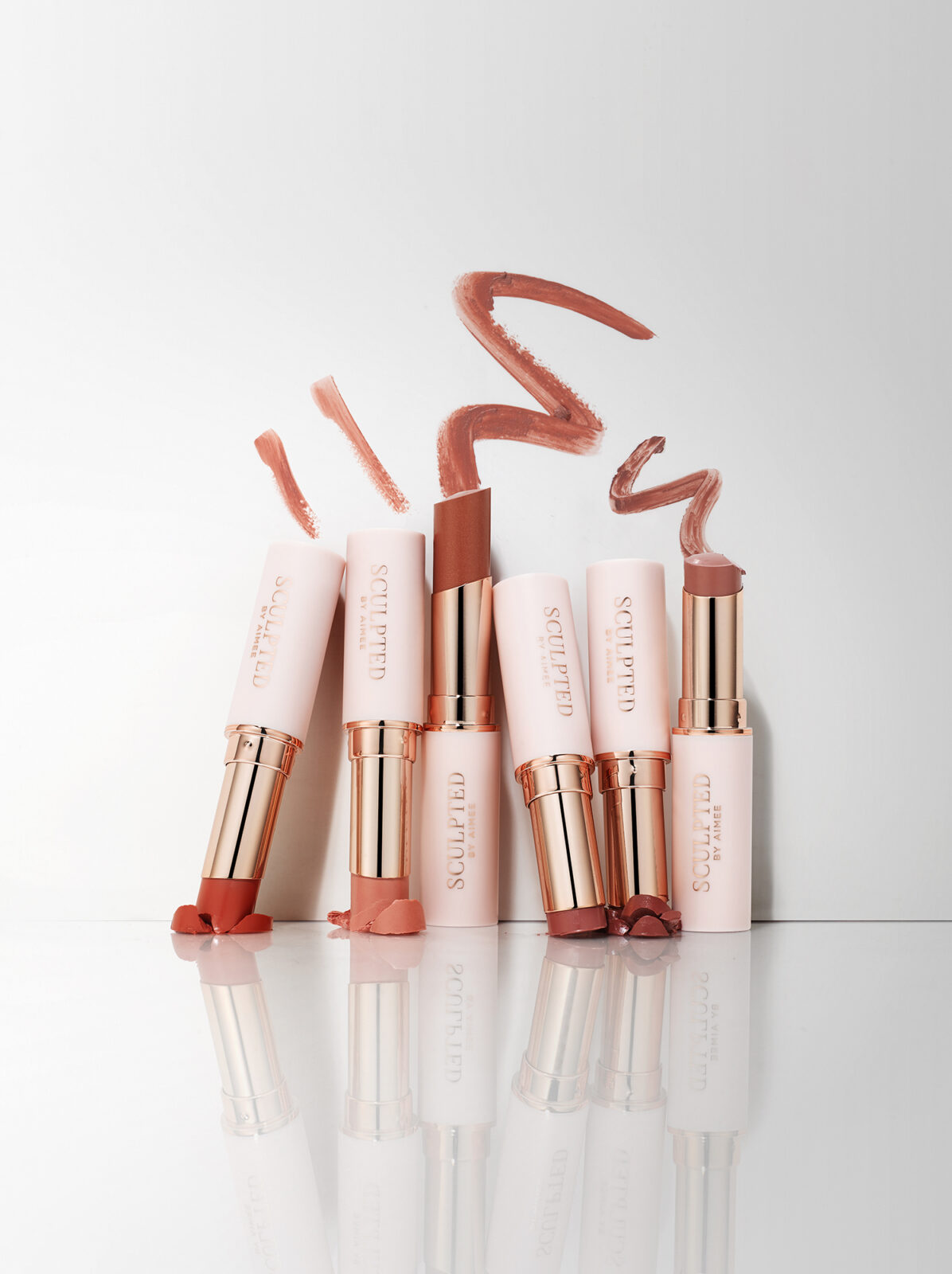

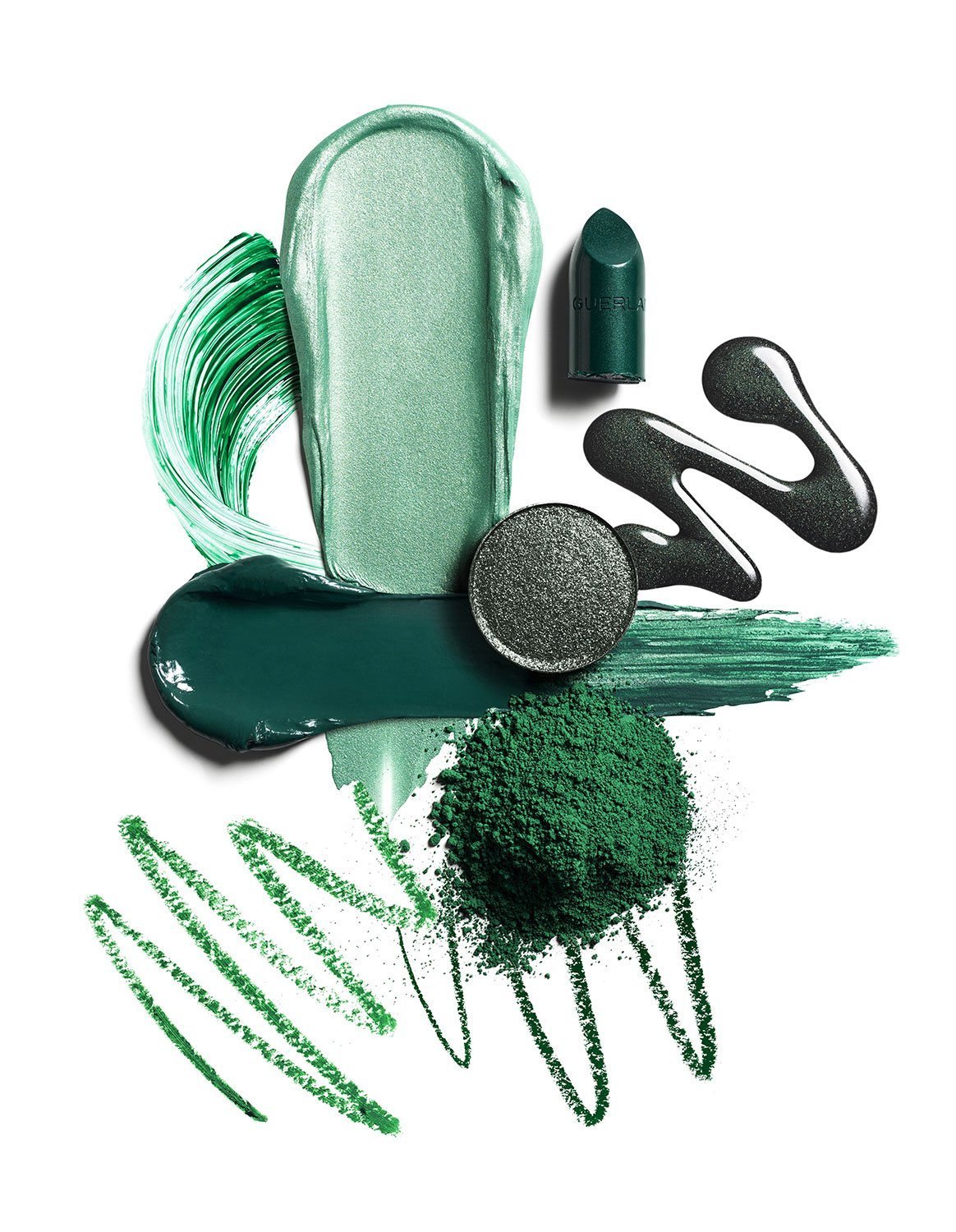
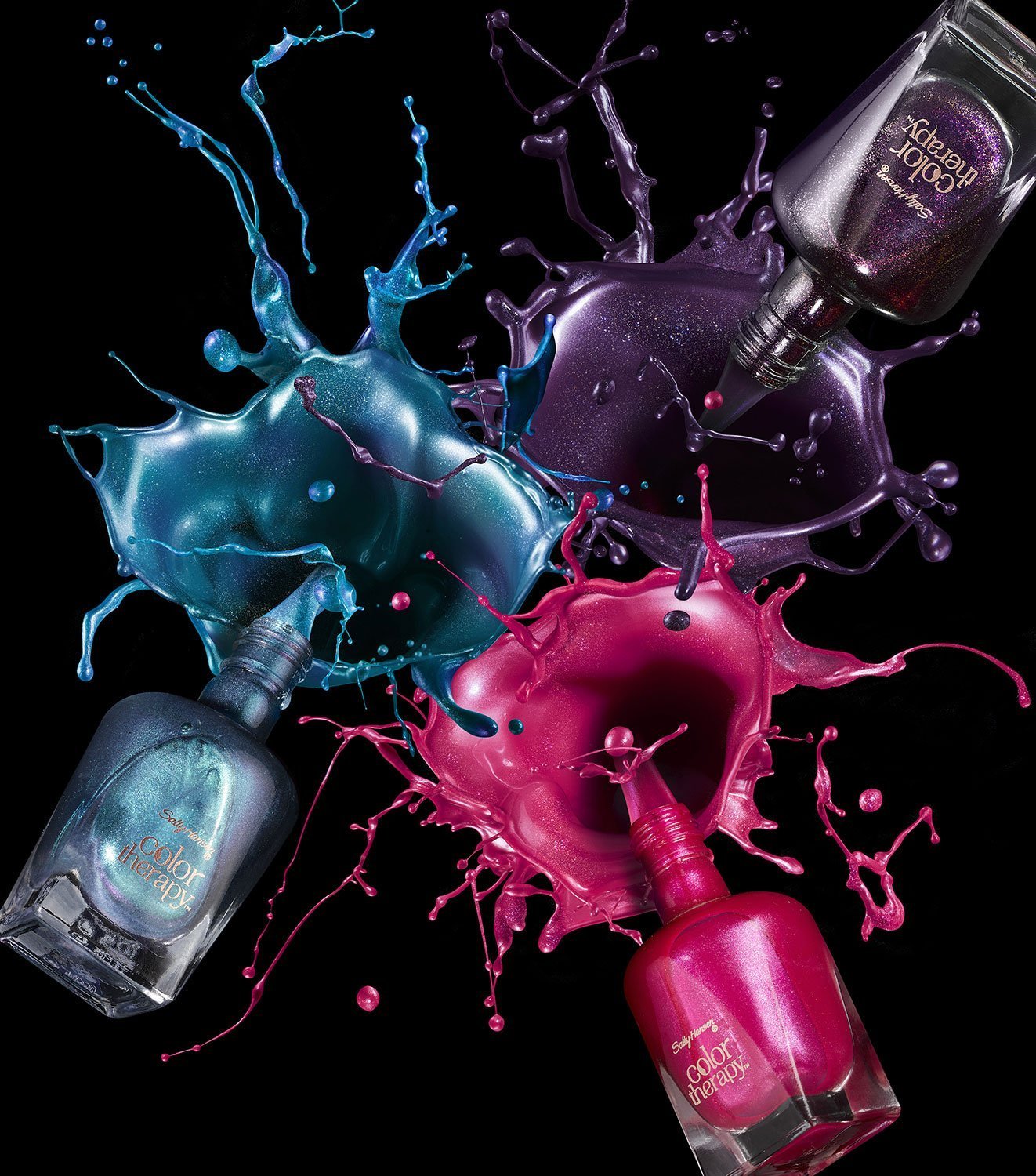
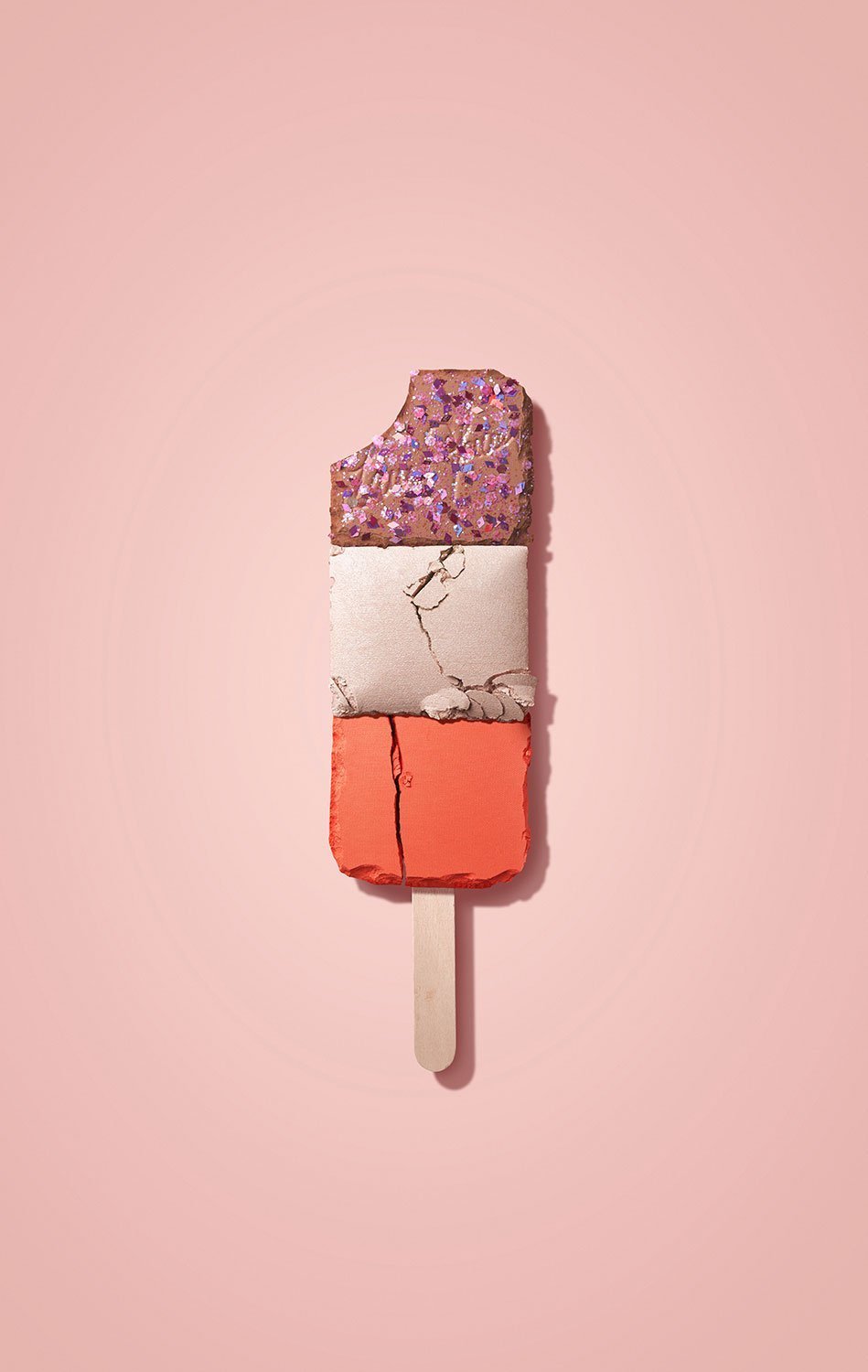
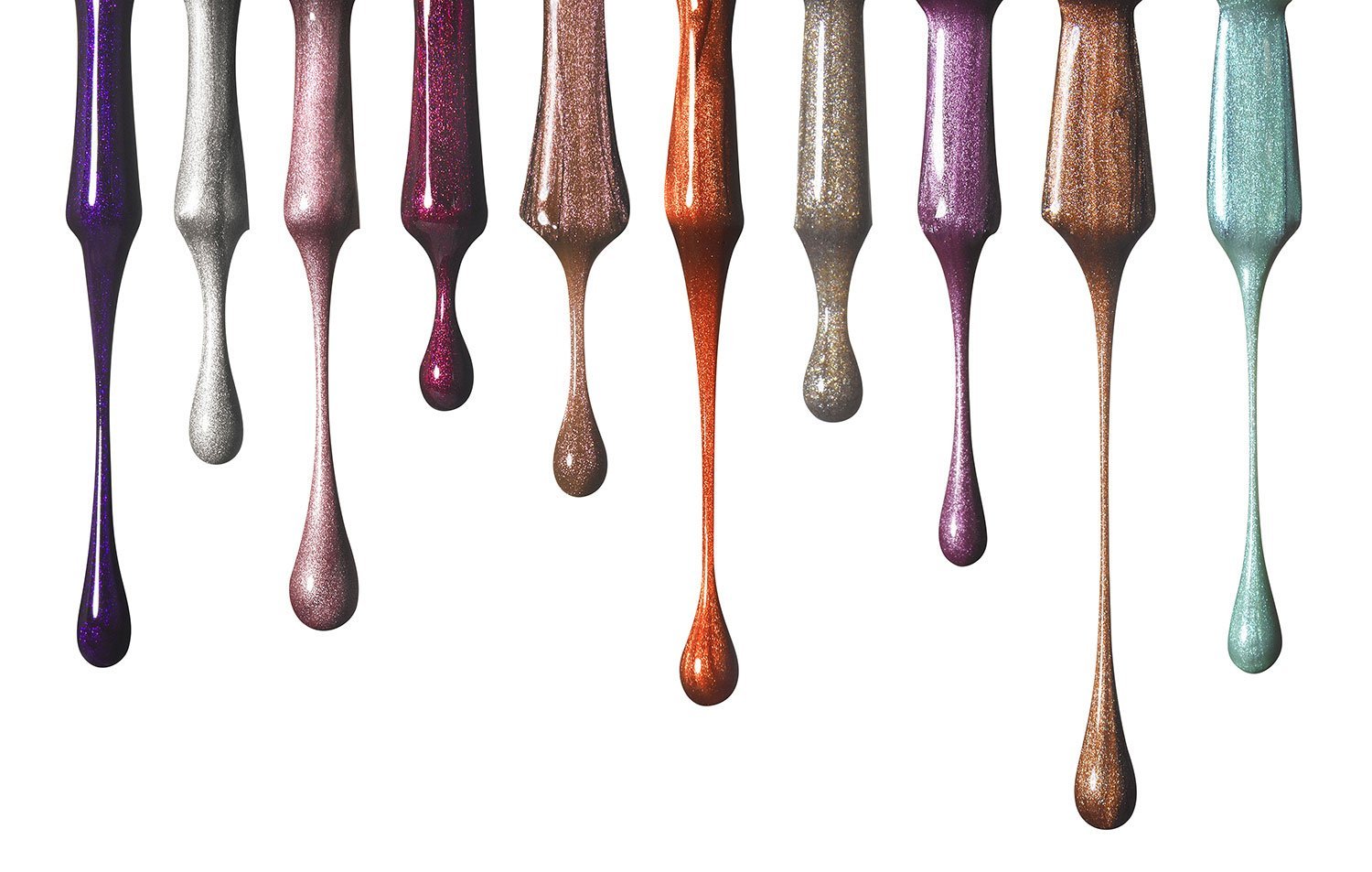
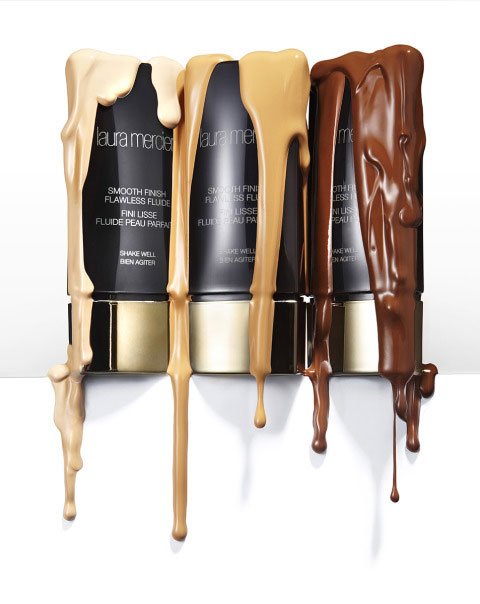
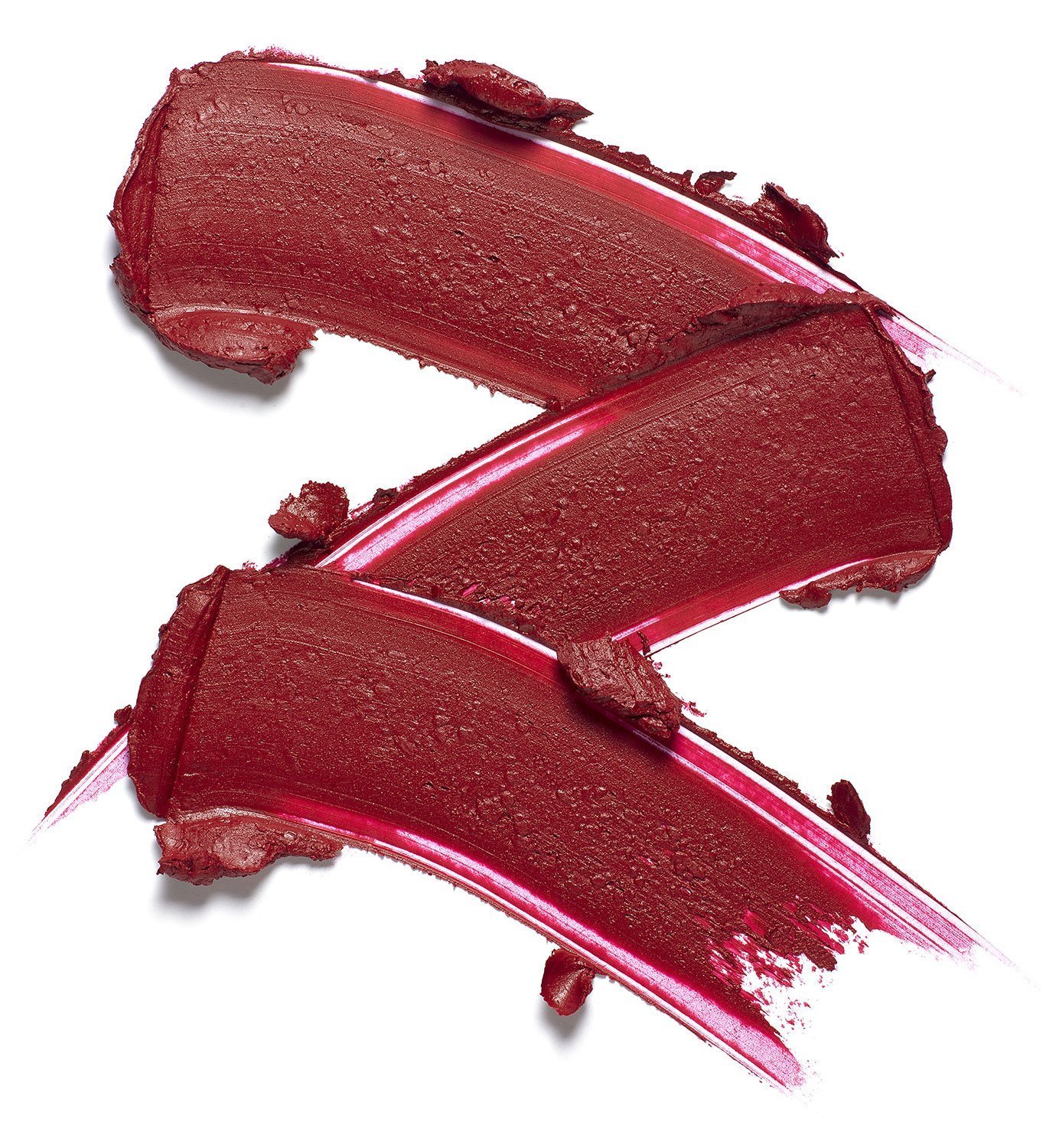
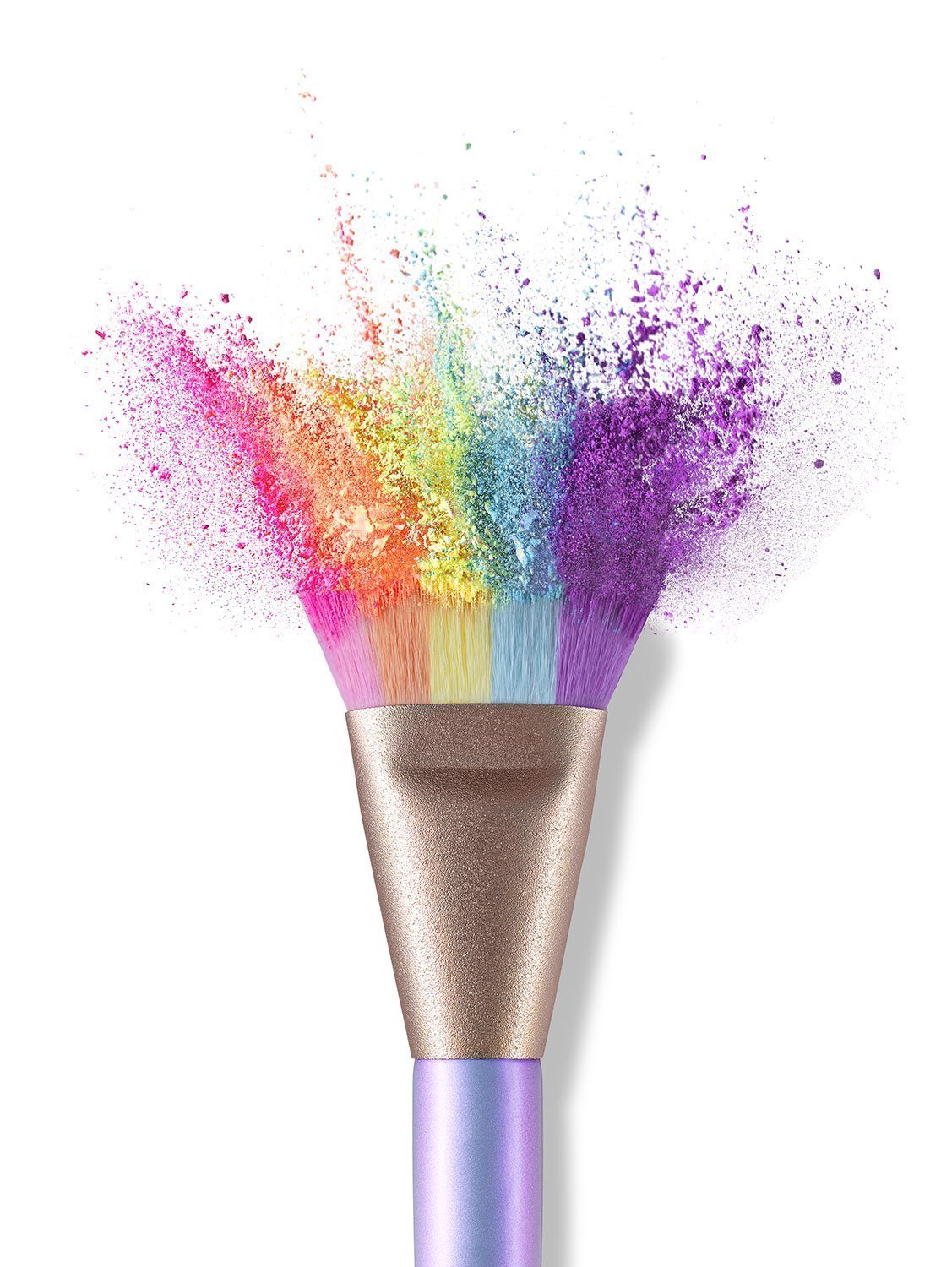

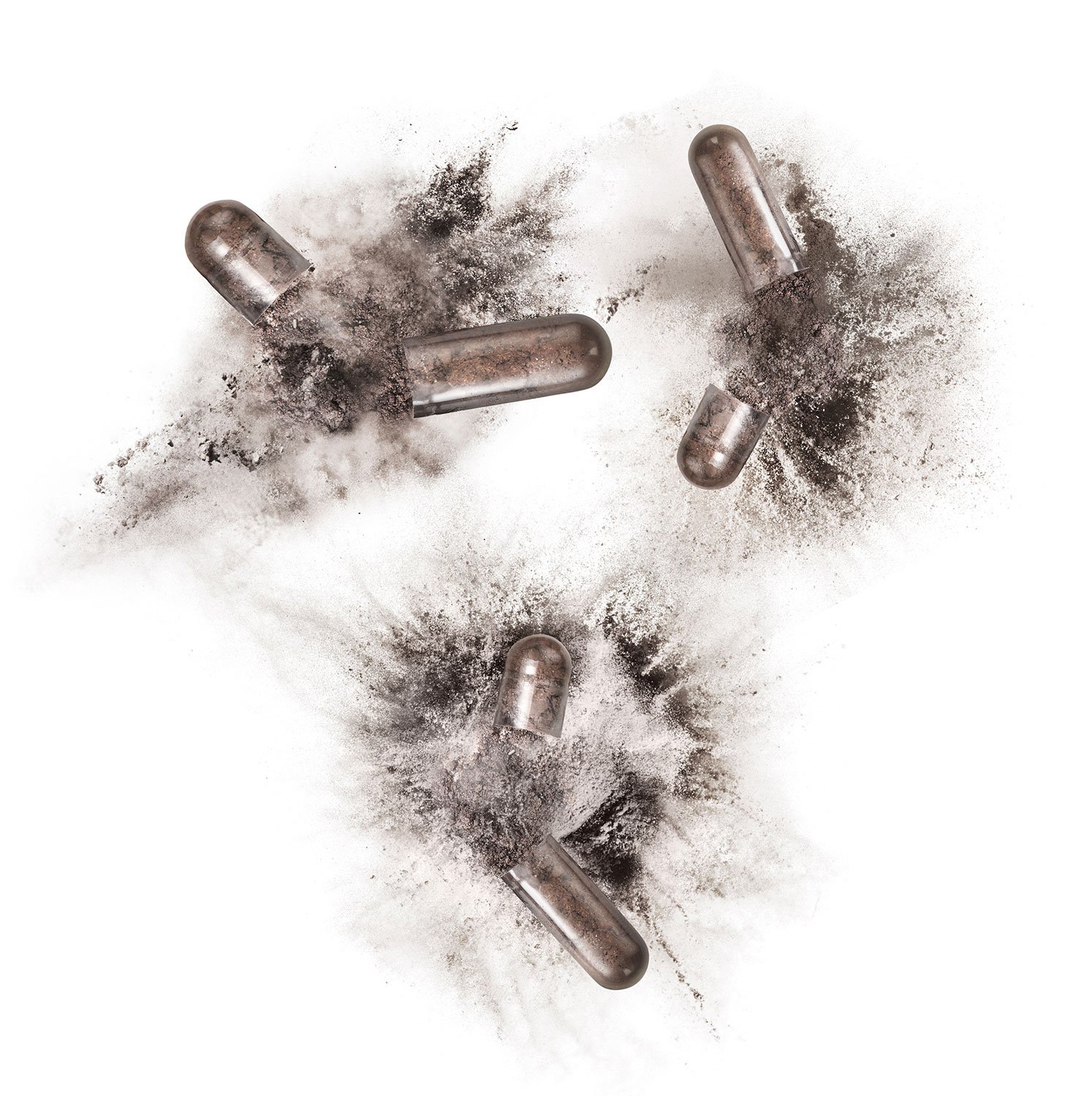


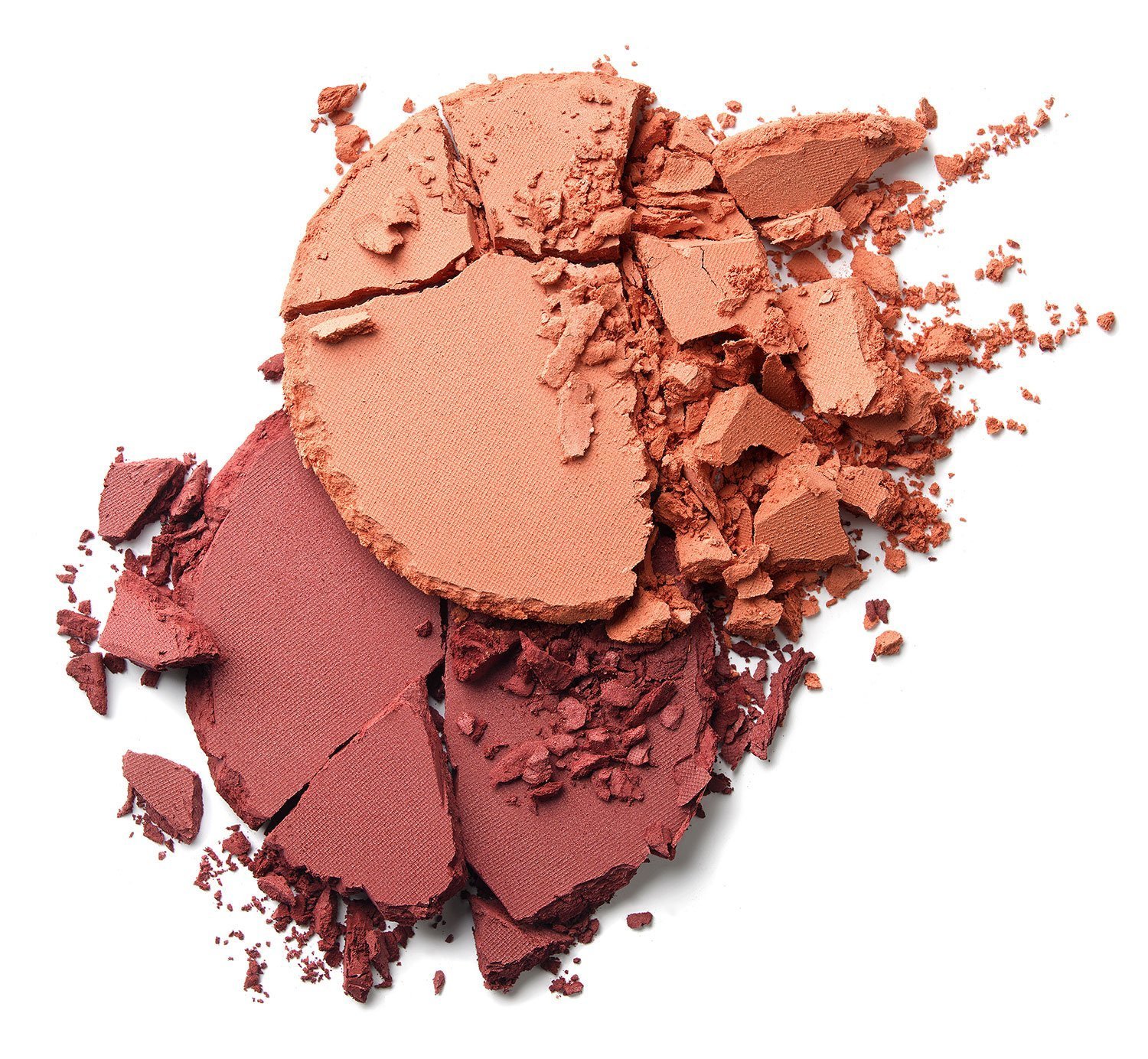


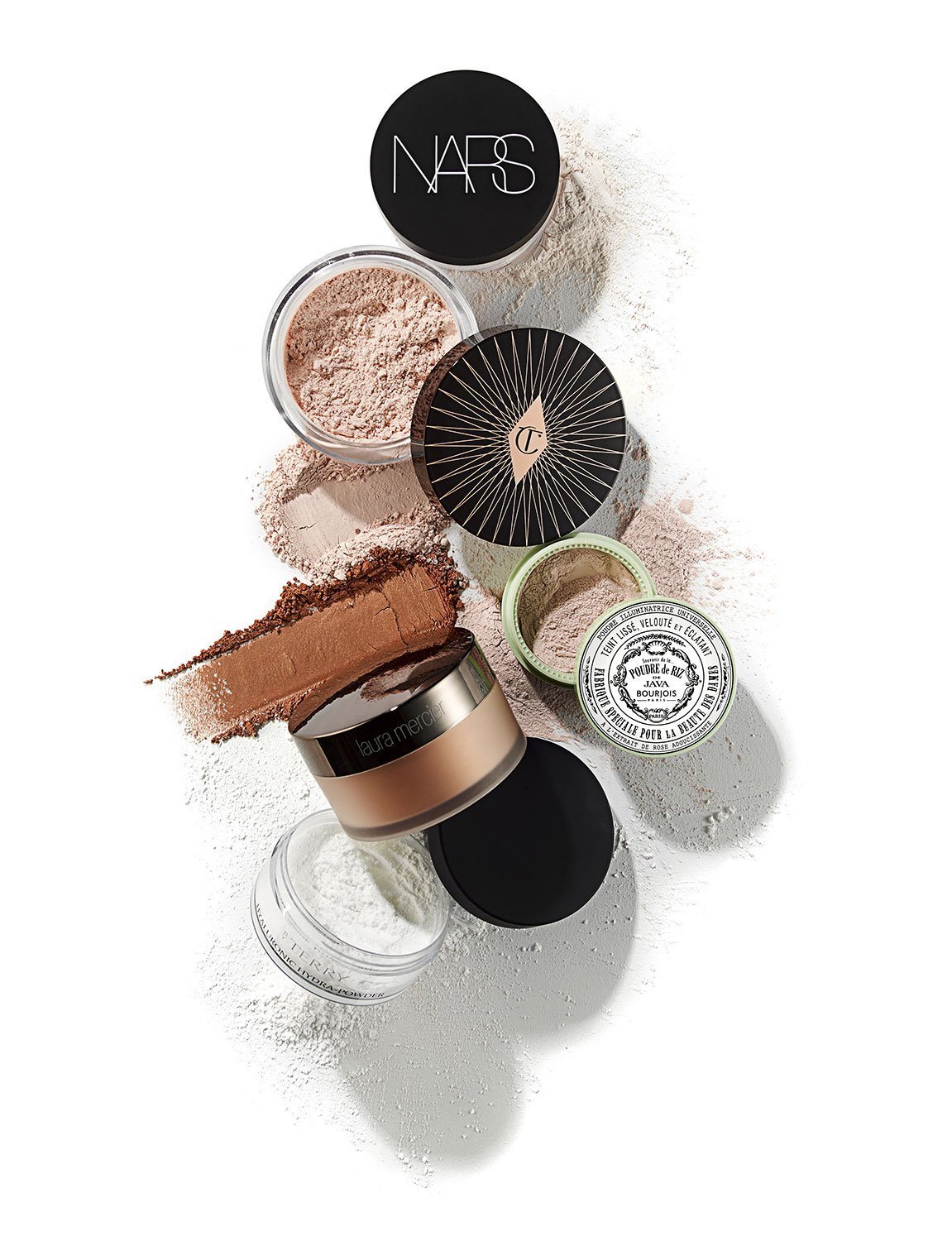
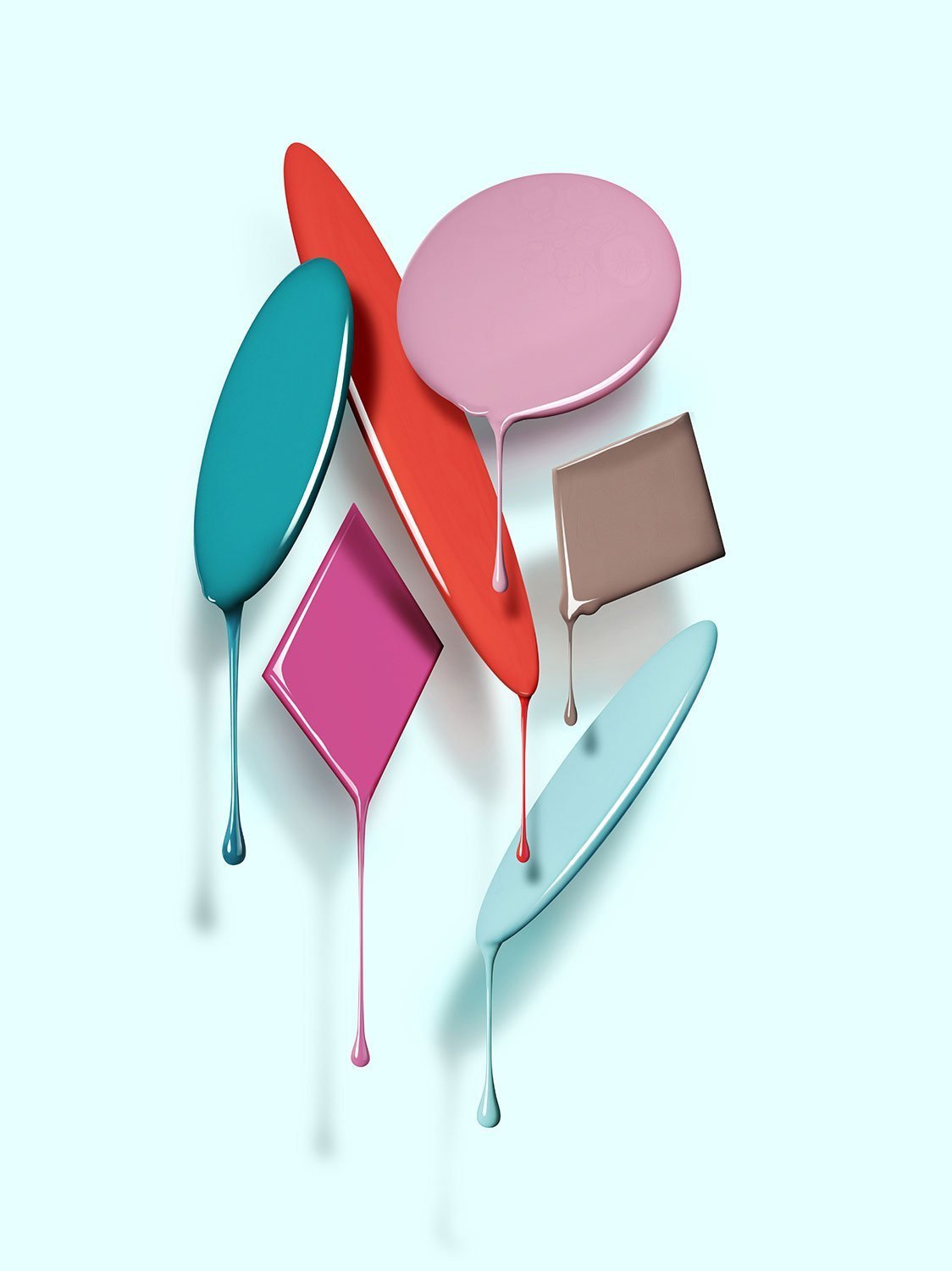


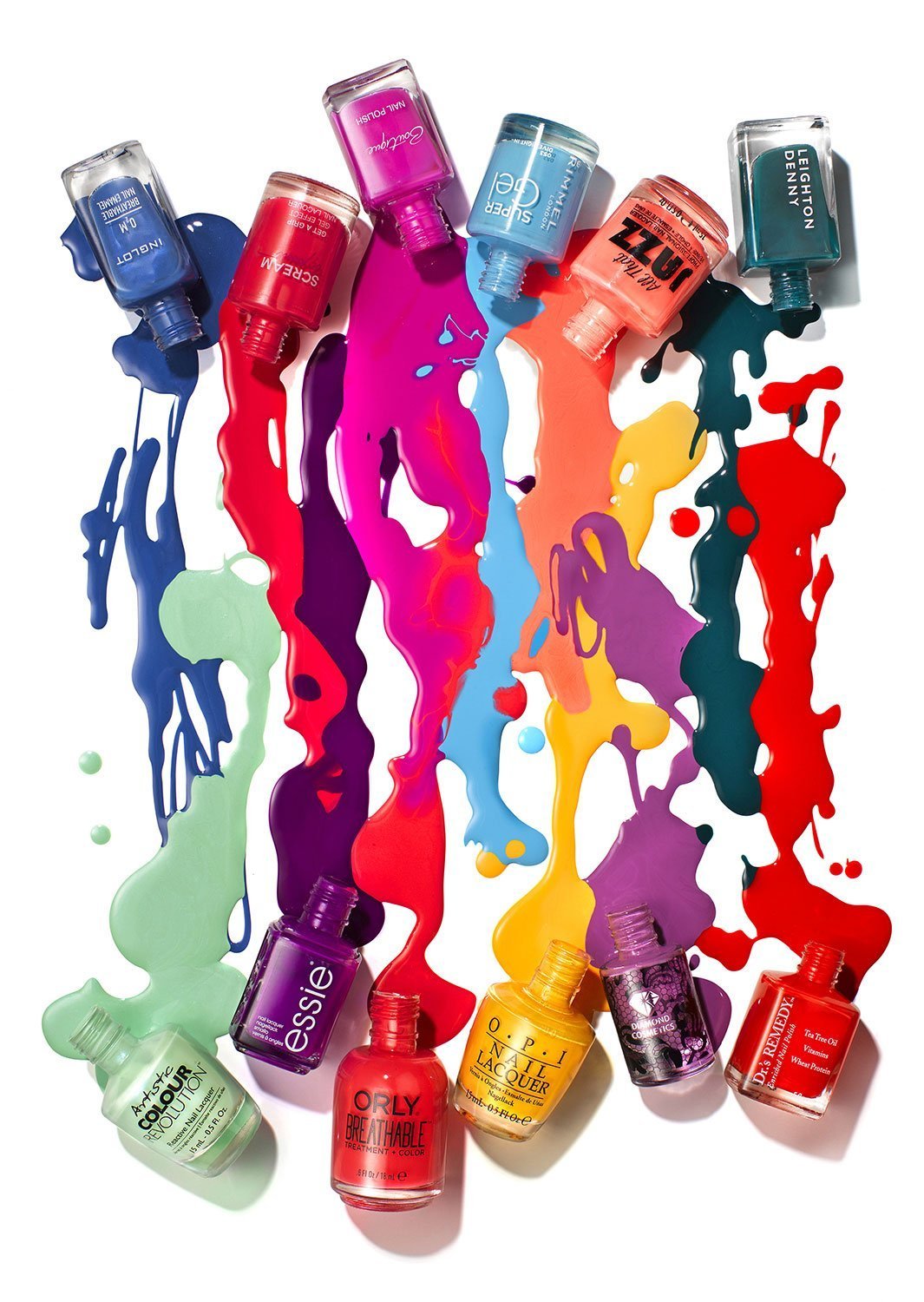
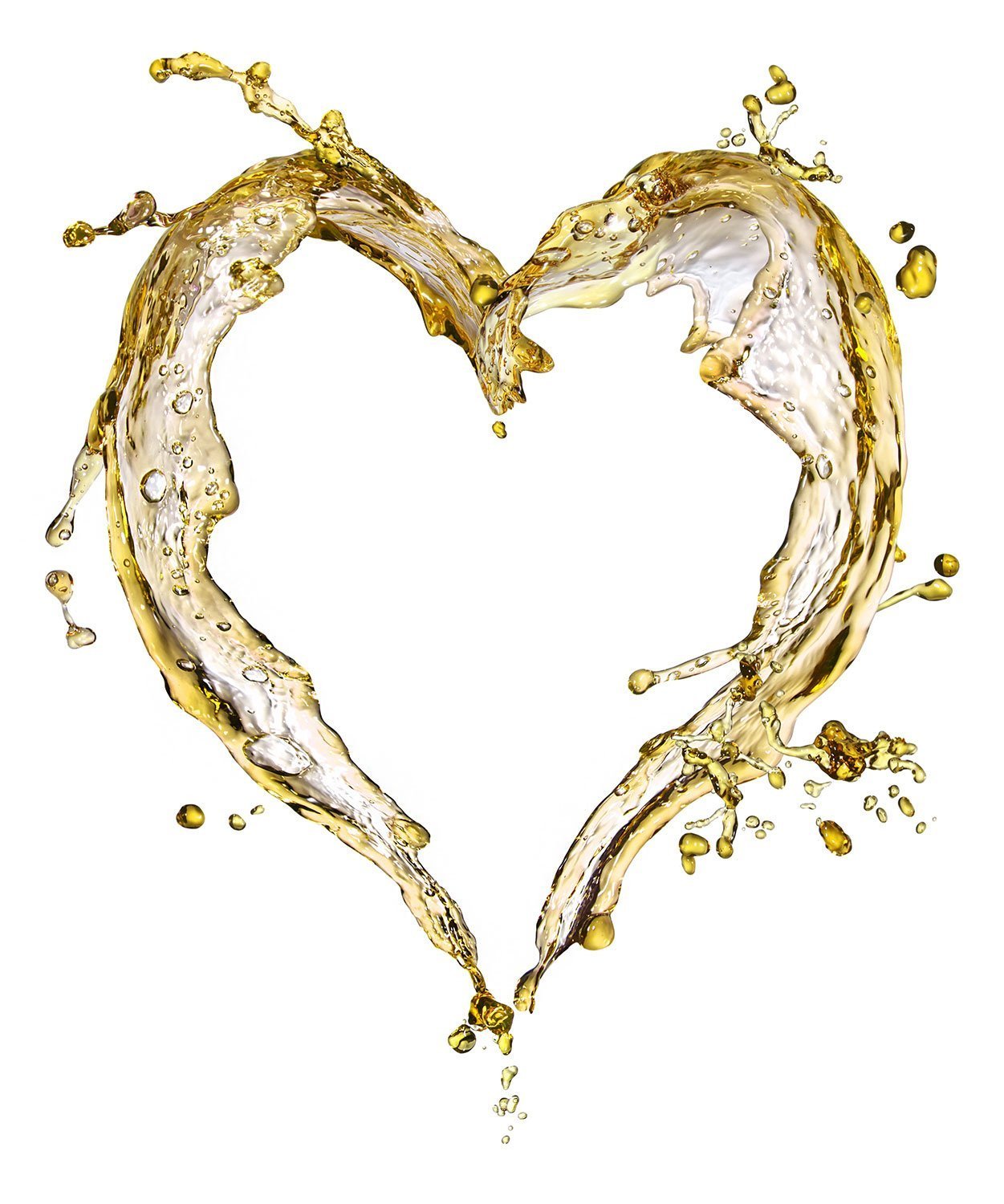
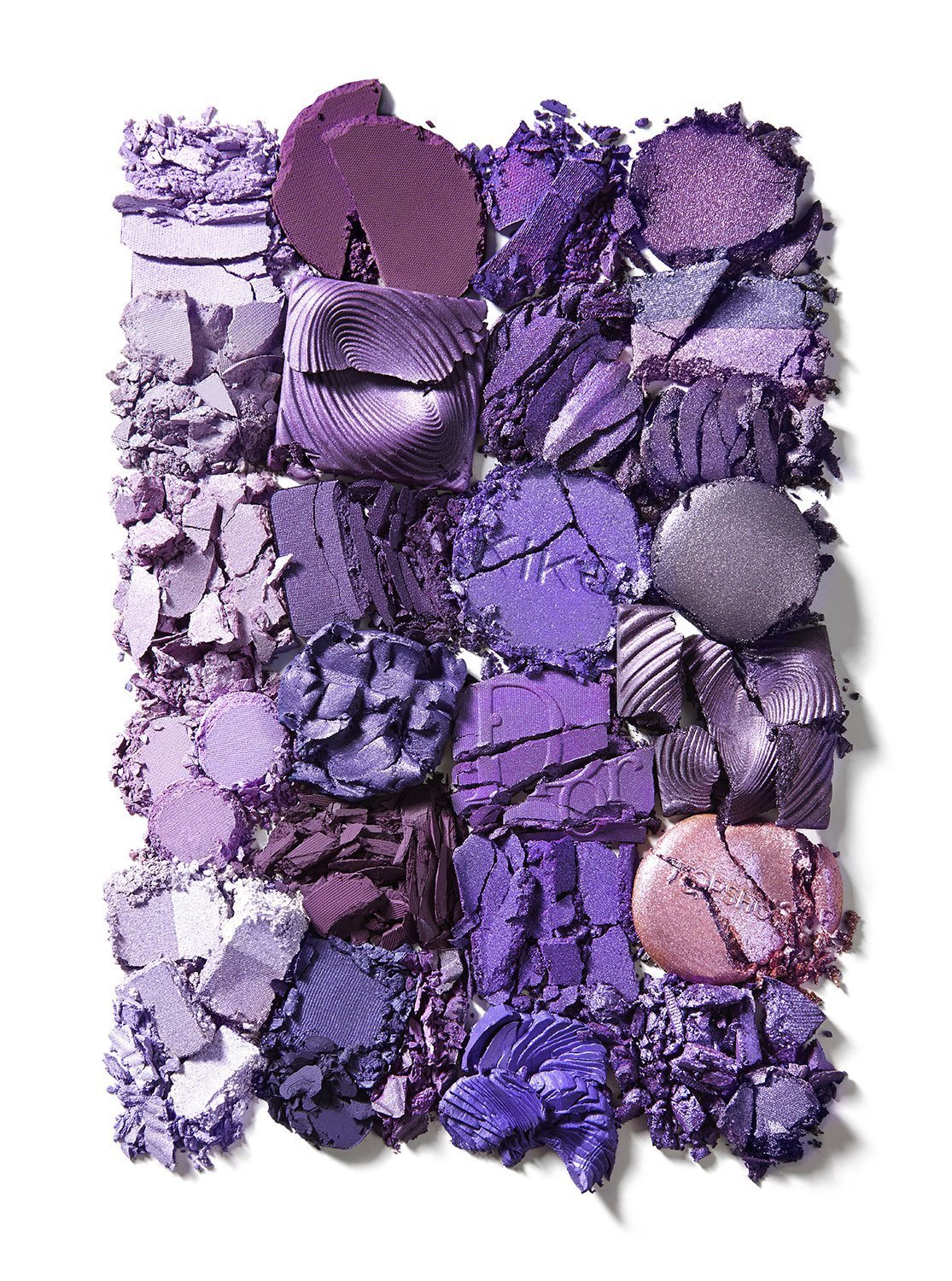
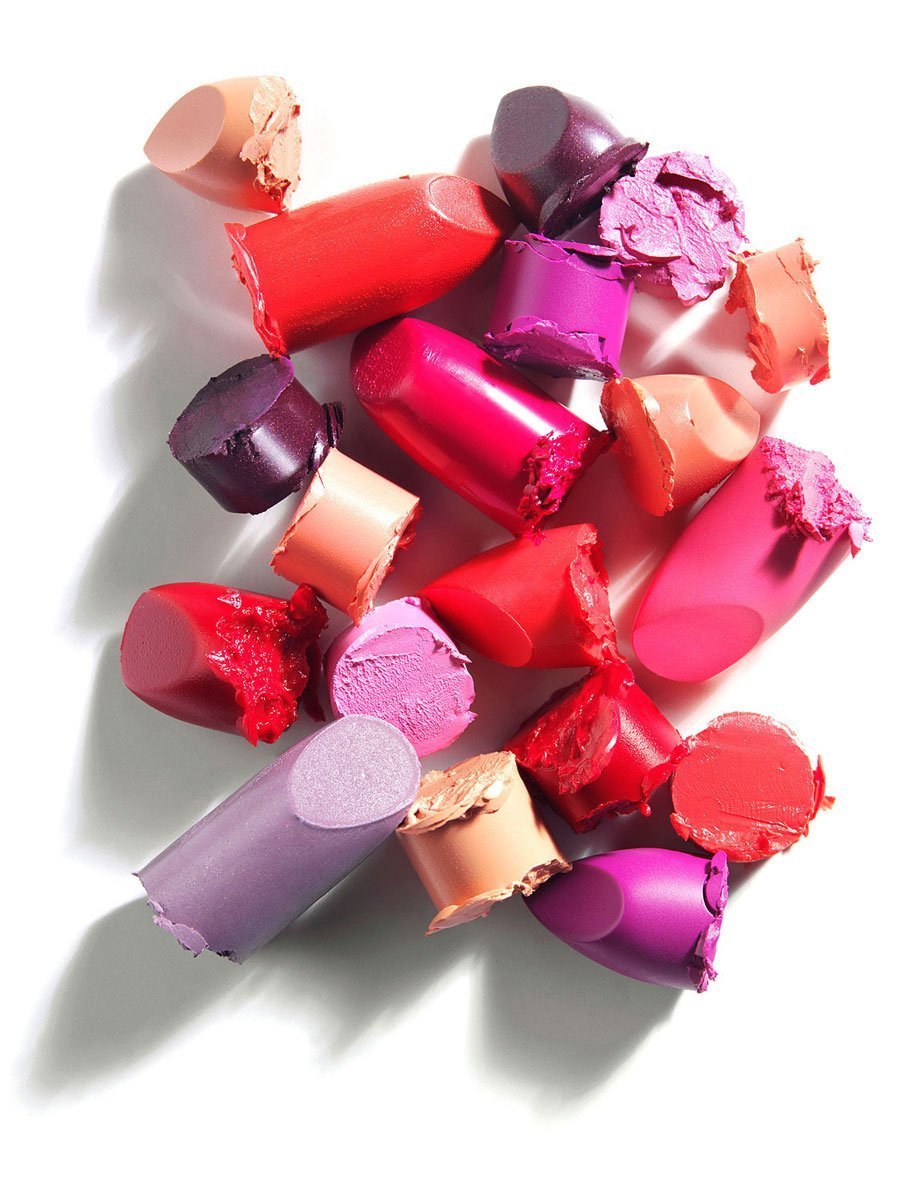
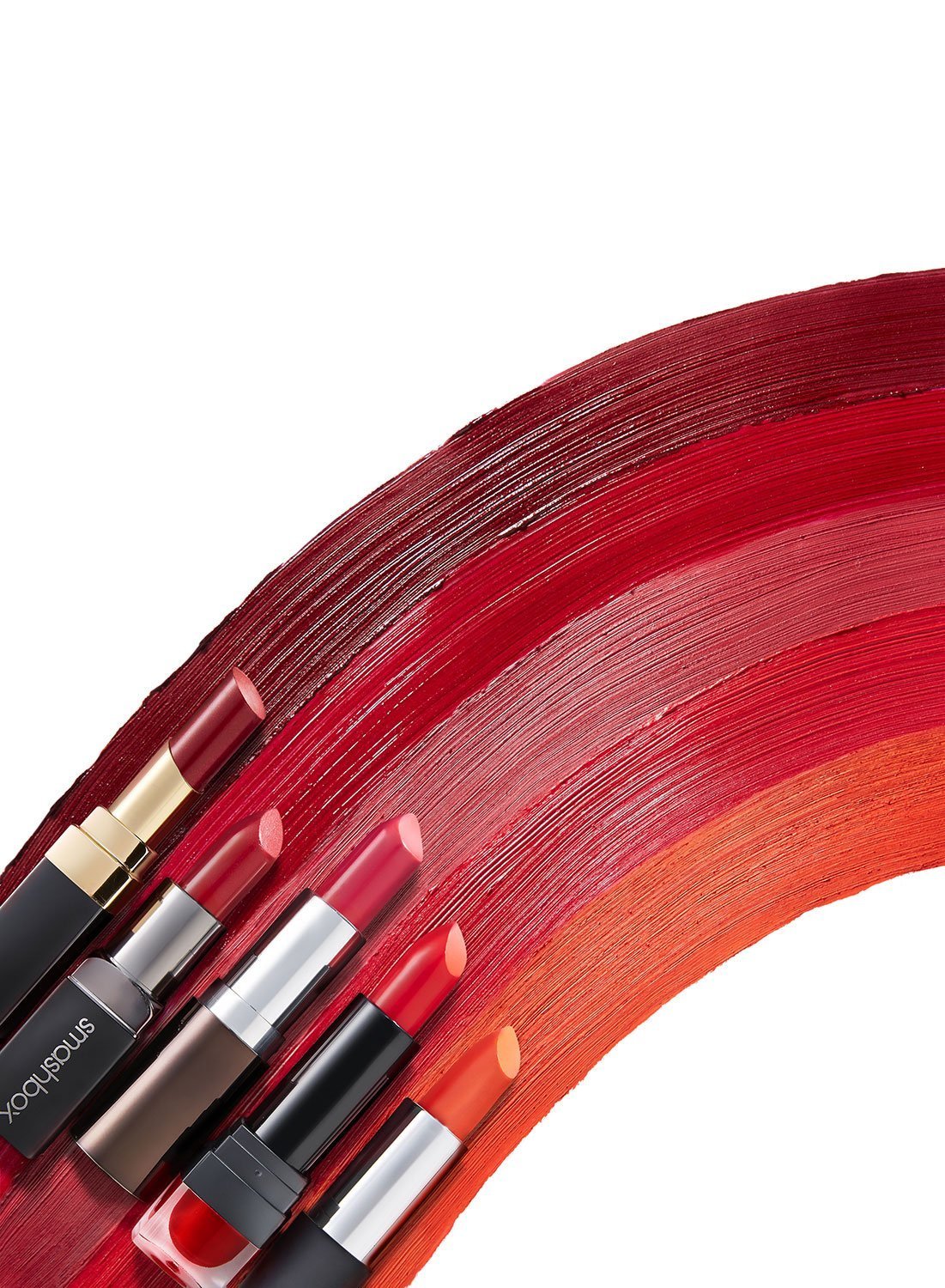

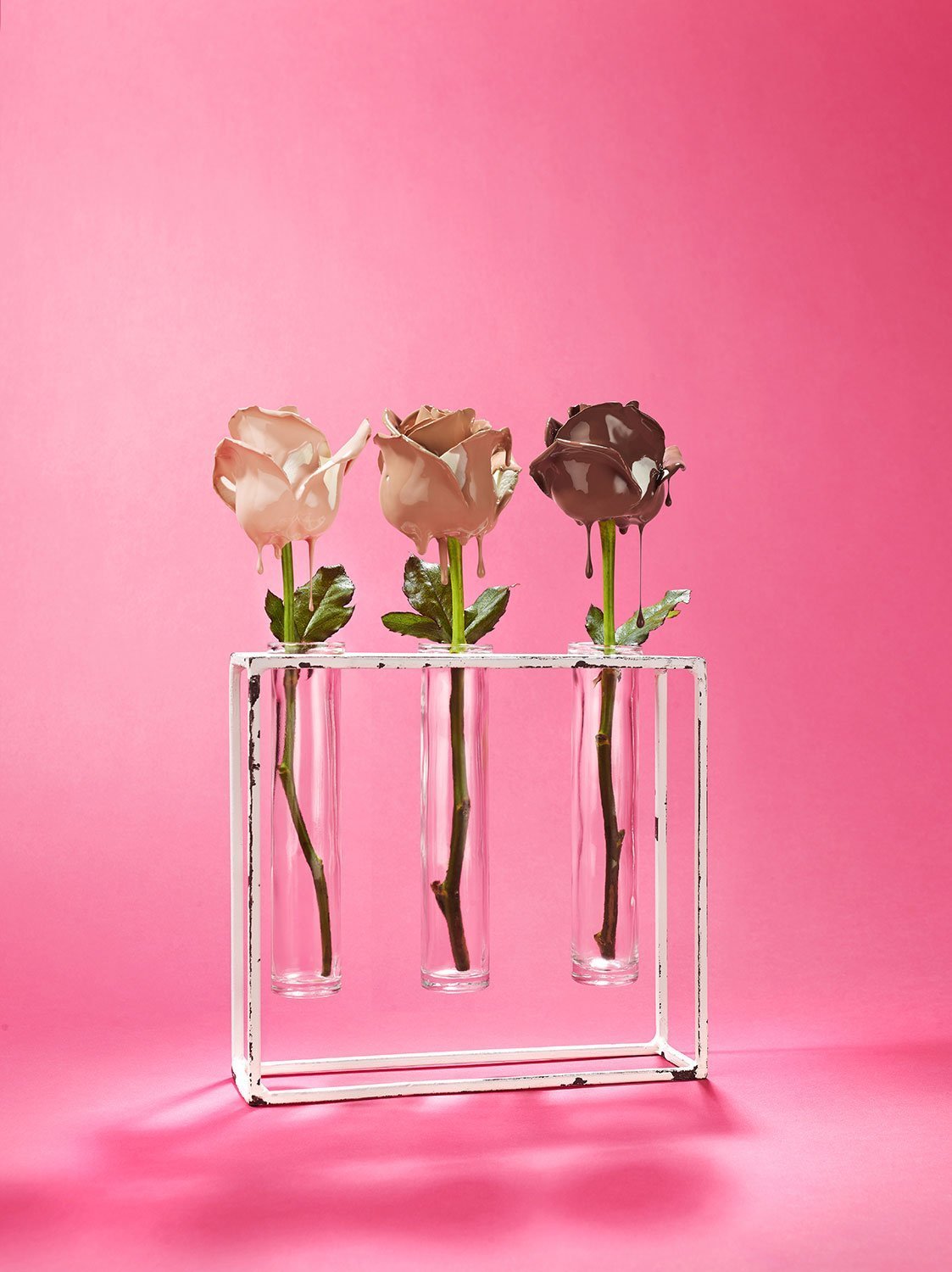


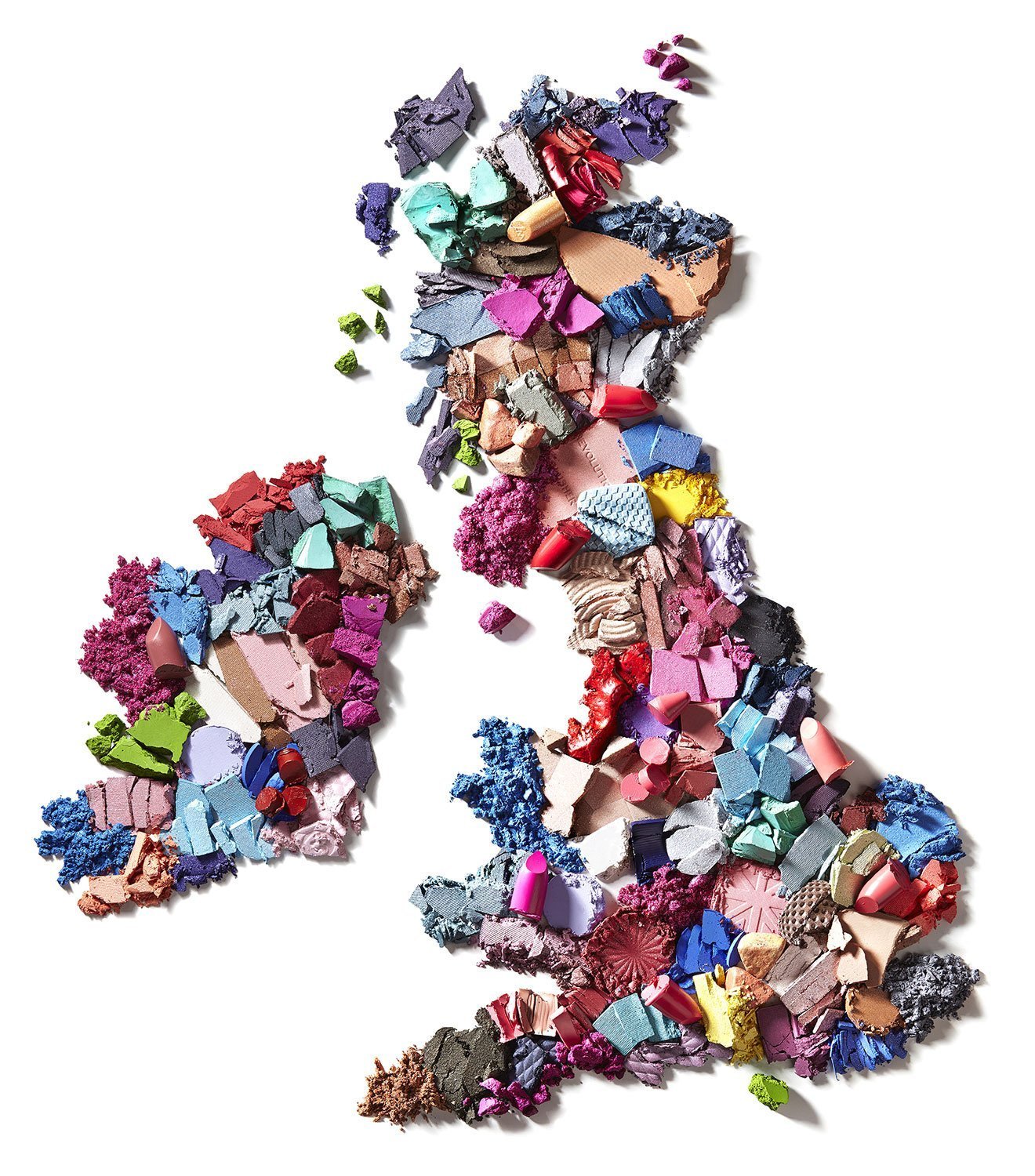
Pixeleyes creates controlled, on-trend beauty texture imagery that makes formulas feel real on screen. From swatches and smears to crushed pigments, gels and creams, we design layouts that clearly show payoff, finish and shade differences without looking messy. We’re used to working with foundations, colour cosmetics and skincare across multiple skin tones, managing lighting, backgrounds and colour correction so textures and shades appear as they do in real life. You stay focused on the message; we make sure the textures carry it.


Get In Touch
Professional beauty textures photography services.
Our rates are competitive and our friendly team will do whatever is necessary to accommodate your Beauty Textures Photography shoot. We’re always contactable at studio@pixeleyesphotography.co.uk or on +44 0207 403 4335 so please don’t hesitate to get in touch.
What is beauty texture photography and why does it matter for cosmetics?
Beauty texture photography focuses on showing how a formula behaves: thickness, payoff, finish, blendability and movement. For skincare and makeup brands, these images bridge the gap between description and reality, especially online. Good texture photography helps customers understand whether a product is light or rich, sheer or full-coverage, glossy or matte, so they feel more confident choosing shades and formulas without testing them in store.
What kinds of beauty textures can you photograph?
We regularly shoot textures for skincare, base products and colour cosmetics: toners, serums, creams, masks, SPFs, foundations, concealers, blush, bronzer, eyeshadow, liners, glosses and lipsticks. That includes swatches, smears, drops, crushed pigments and layered applications. For each category we adjust application tools, layouts and lighting so the texture feels intentional and appropriate – a gel cleanser shouldn’t look like a heavy balm, and vice versa.
Can you match our existing brand style for texture and swatch photography?
Yes. Before we shoot, we review your current texture imagery, brand guidelines and references. From there we agree a visual language: background choices, colour palette, layout style and how “clean” or expressive the textures should feel. Once this is established, we apply it across categories and launches, so new beauty texture photography looks like a natural extension of your existing brand rather than a separate style.
How do you ensure foundation and shade swatches look accurate on screen?
Colour accuracy is critical for foundation and shade swatches. We start with controlled lighting and neutral backgrounds, then balance white point and colour carefully in post. We also pay attention to application thickness and blending so the swatch reflects how the product will actually be worn. Throughout the process we compare on-screen results against the physical product, making adjustments until the shades read as close to real life as possible.
Can you show how textures behave on different skin tones?
Yes. We can photograph textures and swatches on a range of skin tones to show coverage, payoff and undertones more realistically. This can include arms, hands or specific areas relevant to the product type. We plan this in advance so the sequence of images tells a clear story, whether you’re demonstrating inclusivity across a shade range or focusing on how a particular formula performs on different complexions.
Do you shoot skincare texture photography as well as makeup
We shoot both skincare and makeup textures. For skincare, the emphasis is often on clarity, lightness, hydration and absorption – think toners, essences, serums, gels, creams and masks. We adjust lighting and composition to show key qualities: dewiness, spread, richness or refinement. For makeup, we focus more on pigment, finish and coverage, tailoring the layouts to the category and where the images will be used.
How do you plan a beauty texture shoot from brief to delivery?
You share your brief, product list, key claims and channels. We respond with a shot plan covering texture types, application methods, layouts and backgrounds. On the shoot day, we create and refine each texture while you approve images on set or remotely via live previews. After the session, our retouchers balance colour, clean edges and refine details, then deliver organised files ready for use on PDPs, campaigns and social.
Can you create both texture close-ups and wider compositions in one project?
Yes. A common approach is to pair tight texture close-ups with slightly wider compositions that place the formula alongside the pack or in a more graphic layout. Close-ups are ideal for PDP galleries and social detail shots; wider textures work well for campaign assets, banners and email headers. We design the two levels of imagery together so they feel like part of the same system.
How do you avoid beauty texture images looking messy or chaotic?
The key is controlled intent. We plan each smear, swipe or crush with composition in mind, using the right tools and movement for each formula. Lighting is shaped to show dimension without creating harsh shadows or glare. We also edit carefully, cleaning edges and removing distractions while preserving the natural character of the texture. The result is imagery that feels tactile and expressive, but still polished and on-brand.