

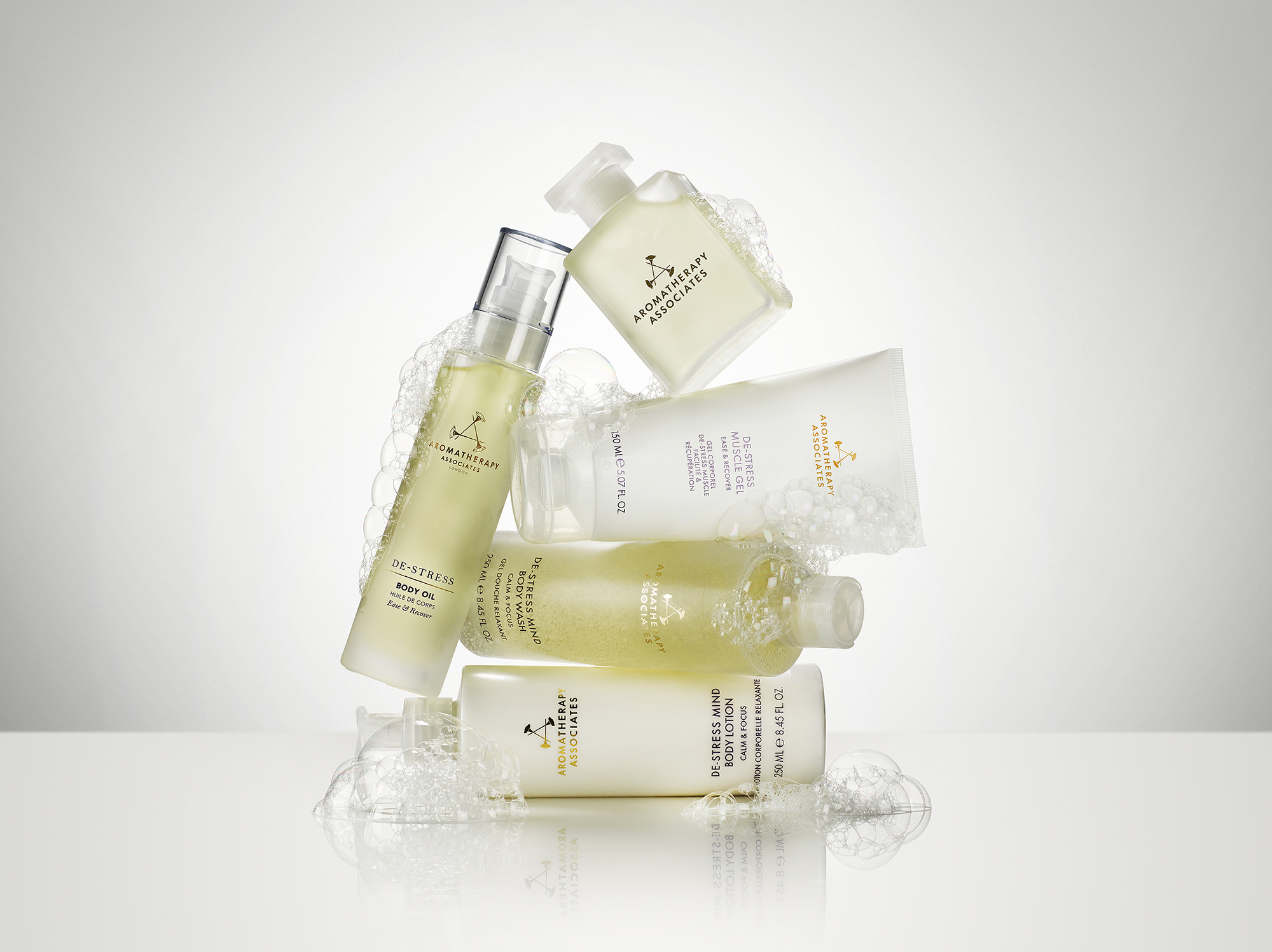
Beauty brands do not have a photography problem. They have an asset coherence problem that surfaces as a photography problem.
Look at how a typical beauty launch unfolds. A campaign hero is shot with one studio. PDP imagery is shot with another, often six months later. Retailer-specific assets get bolted on by a third party. Social content is generated separately by an agency. Each piece of work is technically competent. The launch goes live and the brand’s visual presence across the customer journey looks like four different brands holding hands.
The fix is not better photography. The fix is a better asset system. This guide is about how UK beauty brands plan their imagery as a single system rather than a series of standalone shoots, and what it takes to keep that system calm under launch pressure.
Why beauty imagery breaks first under launch pressure
Beauty launches break their imagery for predictable reasons.
The launch involves more SKUs than other categories. A skincare range is rarely a single product. It is a hero serum, a complementary cream, a mask, a cleanser, and three sizes of each. Multiply by shade variants for cosmetics and the SKU count climbs fast.
The launch involves more channels than other categories. PDP on the brand’s own site. PDP on Amazon. PDP on Boots, Selfridges, Cult Beauty, Sephora UK. Campaign hero. Press kit. Paid social. Organic Instagram. Influencer kits. Retailer promotional assets.
The launch involves more stakeholders than other categories. Marketing director, creative director, brand manager, art director, head of digital, retailer account team, PR team. Each has opinions about the assets, and the approvals get tangled.
The launch operates on tight timelines, often locked to retailer windows that cannot move. The launch date is fixed in the brand calendar. Everything else has to fit around it.
When all four pressures hit at once, the photography is the easiest thing to compromise on. Standards drift. Variants get captured in different setups. Retoucher direction loses coherence. The launch goes live and the brand spends the next six months trying to clean up what should have been planned upfront.
PDP, campaign, retail and press: one system, not four shoots
The structural fix is to plan the whole asset set as one system from the brief stage, not as four separate downstream commissions.
What this means in practice:
Every required asset across every channel sits in a single asset matrix at the front of the Kickoff Deck. PDP imagery for the brand’s own site, plus retailer-specific exports. Campaign hero with secondary variants. Press kit selects with appropriate resolution. Paid social verticals. Organic Instagram squares. Influencer kit selections.
The lighting and composition logic is held across the whole set, even when individual channels could justify variation. A clean clinical look on Amazon and a styled editorial look in the press kit may be different ends of the brand’s range, but the underlying tonal logic and the brand’s three style dials should be visible across both.
The production day is scoped to deliver as much of the matrix as the lighting and the SKU volume can carry. Splitting into a second day is a deliberate decision based on volume, not a default.
The retoucher is briefed once on the master direction and applies it across the full set. Different files, same standards.
This is not exotic. It is just discipline.
The three style dials: clean clinical, high-gloss luxury, editorial
Most beauty brands operate within three stylistic registers.
Clean clinical. Skincare-led, science-anchored, evidence-aesthetic. White or near-white backgrounds. Controlled directional light. Minimal styling. The brand is signalling efficacy and trust. Medik8, La Roche-Posay, The Ordinary, much of CeraVe live here.
High-gloss luxury. Premium finish, controlled reflections, deeper colour palette, often dark or coloured backgrounds. The brand is signalling luxury, indulgence, price-point justification. Sisley, La Mer, Chanel Beauté, Dior Skincare live here.
Editorial beauty. Styled, atmospheric, often skin-and-product compositions. The brand is signalling lifestyle, aspiration, personality. Glossier, Charlotte Tilbury campaign work, Drunk Elephant lifestyle, much of independent beauty.
Most beauty brands work across two of the three dials. A skincare brand might lead with clean clinical for PDP and campaign hero, then shift into editorial for social and press. A luxury brand might lead with high-gloss for everything except retailer-specific PDP, where they soften toward clean clinical for retailer compliance.
The studio’s job is to know which dial each asset is being shot for, and to hold the discipline within each. Mixing dials inside a single asset set without intent is what produces the four-brands-holding-hands effect.
Shade variants, swatches and the consistency trap
Cosmetics introduce a specific consistency problem that skincare does not have.
A foundation range with twenty shades. A lipstick range with twelve. An eyeshadow palette with nine pans. Each variant has to be photographed with colour fidelity to the actual product, consistent with every other variant in the same range, and visible to the customer at PDP thumbnail size.
The trap is that variant capture is mechanical work. It tends to get sequenced at the end of a shoot day when the team is tired, the lighting has been adjusted for hero work, and the colour discipline has slipped. The result is a shade range that looks coherent in isolation but fragments on the brand’s category grid.
The corrective is to capture variants first, not last. Lock the lighting setup, the white balance, and the camera settings, then run the variants through in disciplined sequence before any creative work begins. The variants get the cleanest, most consistent capture state of the day.
Swatches are their own art. They need to be planned at the brief stage, not added on the day. The studio should know which finishes (matte, satin, shimmer, glitter, metallic) are in the range, because each behaves differently under light and may need its own lighting setup.
Approvals and the marketing/creative sign-off split
Most beauty brands have a 50/50 sign-off split between marketing and creative leadership. Marketing director protects the commercial brief. Creative director protects the brand expression. Both have to be aligned for the work to ship.
That split is healthy. It also creates an approvals bottleneck if it is not sequenced.
The pattern that works:
Brief sign-off happens jointly before the shoot date is locked. Both leads agree the asset matrix, the style dial choices, and the priority order.
On-set approvals are usually one or the other rather than both. Marketing director on the day for PDP-led shoots; creative director on the day for campaign-led shoots. The off-set lead reviews end-of-day rather than blocking each frame.
Retouch sign-off goes to both, with a clear sequence: creative director approves direction first, marketing director approves the final files for delivery. Parallel approvals that get resolved in conversation, not consecutive approvals that introduce delays.
This is unglamorous workflow design. It is also what stops a beauty launch’s photography stage being the bottleneck.
How structured production protects the brand language
The argument for structured production is sometimes heard as an argument against creative freedom. It is not.
Structure protects creativity by removing the small decisions that drain energy from the creative ones. When the asset matrix is locked, the creative director can focus on the visual decisions instead of arguing about whether a particular crop is needed. When the variants are sequenced first, the creative team can work on the hero with full attention. When the retouch direction is set in advance, the retoucher can deliver to the standard without back-and-forth.
The brands whose imagery is most consistently strong are usually the brands with the most disciplined production. Glossier, Sculpted by Aimee, Medik8 in their recent work, Aromatherapy Associates: each of these works to a clear visual system, and the production process is what holds it together.
A short worked example: a fragrance launch across six SKUs
A recent brief: a UK fragrance brand launching six new variants across two collections, requiring PDP, campaign hero, retailer-specific exports for John Lewis and Boots, social content for organic and paid, plus press kit assets.
One production day. The asset matrix sat at the front of the brief. The lighting was set for the high-gloss luxury dial that the brand had agreed for the campaign register. Variants were captured first thing in the morning under tight white balance discipline. Hero campaign shots followed in the late morning. Retailer-specific crops were captured alongside the hero work. Press kit selects came from the same setup. Social verticals were captured in the afternoon block.
The retoucher was briefed once. R1 delivery hit the brand’s Dropbox three working days later. R2 came from a single round of consolidated feedback. The launch hit its date.
That is what a calm beauty launch looks like. It is planned, not improvised.
If you are scoping a beauty launch and want help building the asset matrix that holds it together, share your launch brief and we will show you the matrix it needs.
Share your brief. We will come back the same day.