

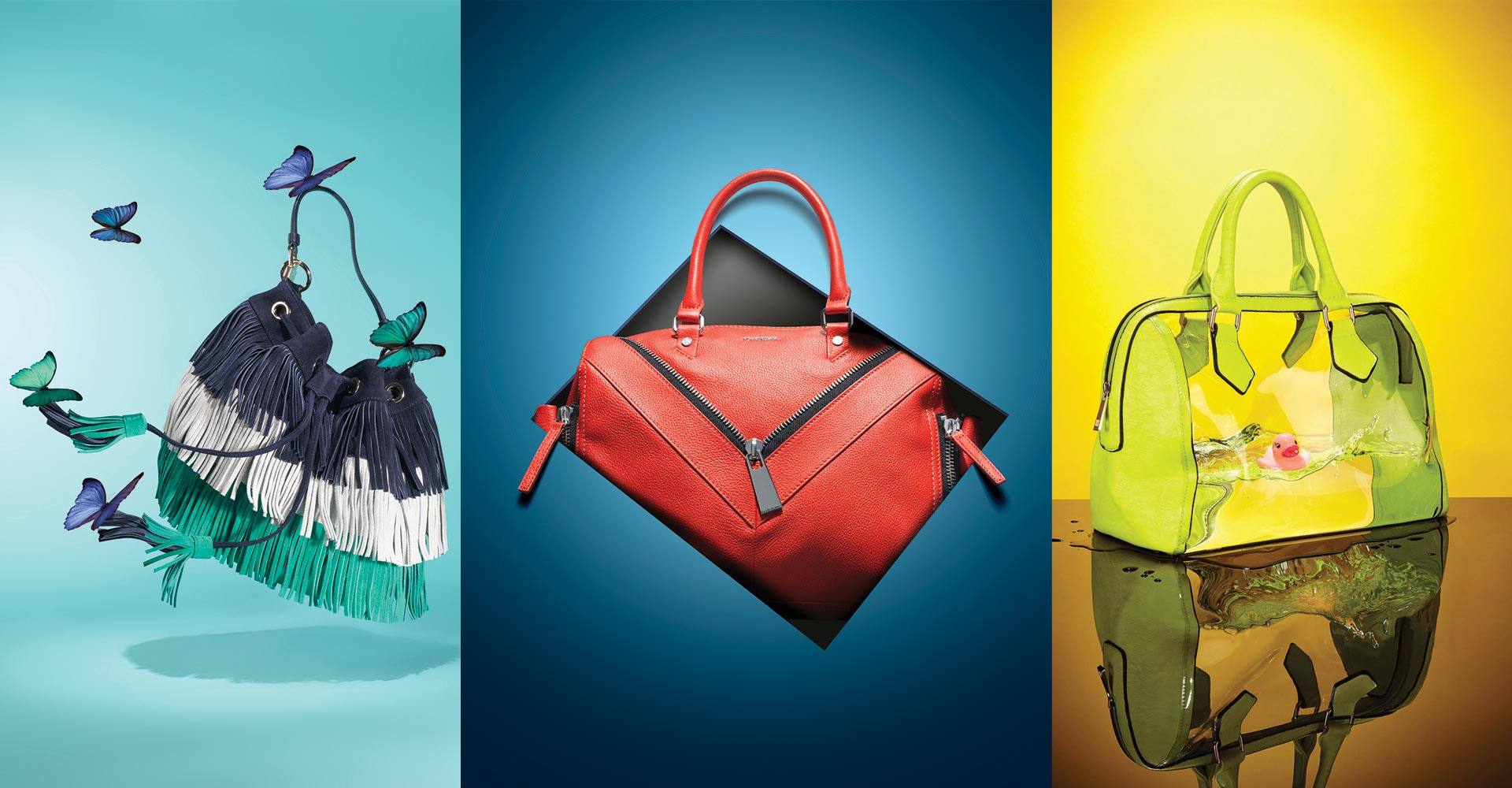
Fashion brands that sell on material quality live or die on their texture photography.
A leather jacket photographed without surface character looks like a leather-look jacket. A silk blouse photographed without sheen looks like a polyester print. A Harris Tweed photographed without slubbed flecks looks like a generic wool blend. The customer who is paying for the material is paying for the visible signal of the material, and the photograph either delivers that signal or undermines the price.
This guide is for fashion brand and creative leads commissioning material-focused photography in London. It is about how a specialist studio approaches the four most commercially significant fashion materials, and what to brief differently when texture is the commercial driver.
Why material work needs different photography
Standard fashion photography optimises for silhouette, form, and styling. The lighting is designed to flatter the shape of the garment as worn or formed, with the material reading correctly but not necessarily reading distinctively.
Material-focused photography reverses the priority. The lighting is designed to bring the material’s specific character forward, even if it requires sacrificing some flattery in the silhouette. The composition often involves dedicated macros that show the material at close range, separate from the full-garment shot.
This is craft work. The lighting decisions are made against the material’s specific properties, not against a default fashion setup. A specialist studio that does this work consistently produces imagery that signals material quality at first glance.
Leather: grain, finish and edge work
Leather is the fashion material with the most photographic variation.
Full-grain bridle leather has a dense, structured grain that reads under raking light. Vegetable-tanned leather develops surface character with age and exposure that the photograph should respect. Suede has nap that needs broad, soft light to capture. Patent leather has high-gloss surface that needs reflection management. Distressed leather has intentional surface variation that lighting should reveal, not flatten.
The principles that serve leather photography:
Directional light from a controlled source, with the angle calibrated to the leather’s grain direction. Side-lighting often works for grained leather because it picks up the texture. Top-lighting works for smoother leathers and patent finishes.
Macro work on hero pieces. A close-in shot of the leather surface communicates more about material quality than the full-garment hero does. For luxury leather pieces, the macro is part of the commercial proposition.
Edge work where the leather has been cut, folded, or finished. Painted edges, burnished edges, raw edges, French folded seams all communicate craft. A dedicated edge shot on hero pieces earns its place in the asset matrix.
Colour fidelity calibrated against the brand’s existing reference work. Premium tanneries produce specific colour signatures (the British tan, the chocolate brown, the dark forest) that the photograph has to match honestly.
Silk: sheen, drape and weave
Silk is the fashion material most likely to be misrepresented in photography.
Silk’s defining property is its surface sheen. A satin-weave silk reads with high gloss. A crepe-weave silk reads with low gloss. A jacquard silk reads with directional pattern that catches light differently across the weave. Photography that flattens the sheen reads as polyester. Photography that exaggerates it reads as synthetic.
The lighting decisions that serve silk:
Soft, broad light from one dominant source brings out the sheen without creating hard reflection points. The light source should be large relative to the garment to wrap around the form.
Backlighting or rim-lighting on hero pieces can reveal the silk’s translucency and the way light passes through the fabric. This is editorial work; for pure commercial PDP, it can over-complicate the read.
The drape captured in the composition tells the customer how the silk falls. Silk drape is fluid, organic, and gravity-led. A composition that holds the drape (through gentle suspension, a stylist’s hand off-camera, or a body double) preserves the material’s character. A flat-lay composition kills it.
Macros on woven detail (jacquard pattern, dobby weave, fil coupé) earn their place for hero pieces where the weave is the commercial selling point.
Tweed: weave, flecks and structure
Tweed photography depends on capturing both the weave structure and the surface flecks.
Harris Tweed, Donegal Tweed, English country tweeds, Italian high-end tweeds. Each has distinctive surface character: the slubbed yarn variations, the colour flecks from carded wool, the herringbone or houndstooth pattern, the brushed or unbrushed surface finish.
The lighting decisions that serve tweed:
Directional light that catches the slub and the surface flecks. Diffused light flattens both into a uniform surface.
The camera position should respect the weave direction. Herringbone shot perpendicular to its run reads differently from the same fabric shot parallel. The strongest shot is usually slightly oblique.
Colour calibration to capture the tweed’s actual tonal range. Premium tweeds often blend multiple yarn colours visible in the close-in view; the photograph should reveal this blend rather than averaging it into a single tone.
Macro work specifically on tweed hero pieces communicates the material’s depth. A close-in shot showing the yarn variation, the fleck colours, and the weave structure tells the customer about heritage and craft.
For tweed garments structured into tailoring (jackets, blazers, suiting), the construction work has to be photographed alongside the material. Hand-stitched edges, working buttonholes, pick-stitched lapels all become part of the material story.
Denim: weight, weave and wash
Denim is the most photographically misunderstood fashion material.
Most denim photography treats the fabric as a generic textile. The result reads as flat indigo cotton, which is technically correct but commercially weak. The brand selling £180 selvedge raw denim and the brand selling £30 high-street denim look the same on the page when the photography treats them identically.
The differentiation lives in the close-in details.
Weave. Right-hand twill versus left-hand twill versus broken twill. The diagonal lines of the weave are visible at close range and communicate the denim’s construction.
Weight. Heavyweight raw denim has visible body in the way it folds and sits. Lightweight denim has fluid drape. The composition should capture the weight character.
Selvedge. Premium selvedge denim is part of the brand’s commercial proposition. A dedicated shot of the selvedge edge (often visible at the cuff turn-up or the outer seam) signals the construction quality.
Wash and finish. Raw, rinse, stonewash, distressed, sandblasted. Each finish has its own surface character. Lighting that respects the finish without over-exaggerating the wear is the right register.
Hardware. Branded rivets, button-fly closure, branded leather patches, branded selvedge IDs. The hardware on denim signals brand and construction quality.
A specialist denim shoot includes at least one weave macro, one hardware close-up, and one selvedge or hem detail per hero piece. A generalist shoot delivers a competent flat shot that does not differentiate the brand.
Working with multiple materials in one collection
Most fashion launches involve multiple material types in the same collection.
The production day has to balance the lighting needs across materials without producing inconsistent results. The principles that hold:
Group SKUs by material type and capture in blocks. All leather pieces in one block. All silk in another. All tweed in a third. The lighting can be adjusted between blocks without breaking consistency within a block.
Hold the camera position and the colour temperature across blocks. The lighting that adjusts between blocks adjusts within constrained parameters; the underlying capture standards stay the same.
QC at the cross-material level. Once the day is complete, lay out the heroes across all materials and check that the collection reads as one shoot rather than four. Adjustments at this stage save corrections in retouch.
Briefing notes for material-focused fashion shoots
The strongest material-focused briefs we receive include:
The piece list with material type, finish, weight, and any speciality treatments per garment. Hero pieces flagged for full macro coverage. The brand’s existing material reference work for tonal calibration. The asset matrix split by hero composition and material macros. Sample shipping logistics, including any pre-shoot fabric preparation (steaming, brushing, finishing).
What does not need to be in the brief: lighting instructions or specific camera setup. Those are the studio’s decisions.
If you are commissioning material-focused fashion photography in London, send the piece list and we will plan the production around the material story. We work across fashion photography and beauty textures at the Bankside studio.
Share your brief. We will come back the same day.