

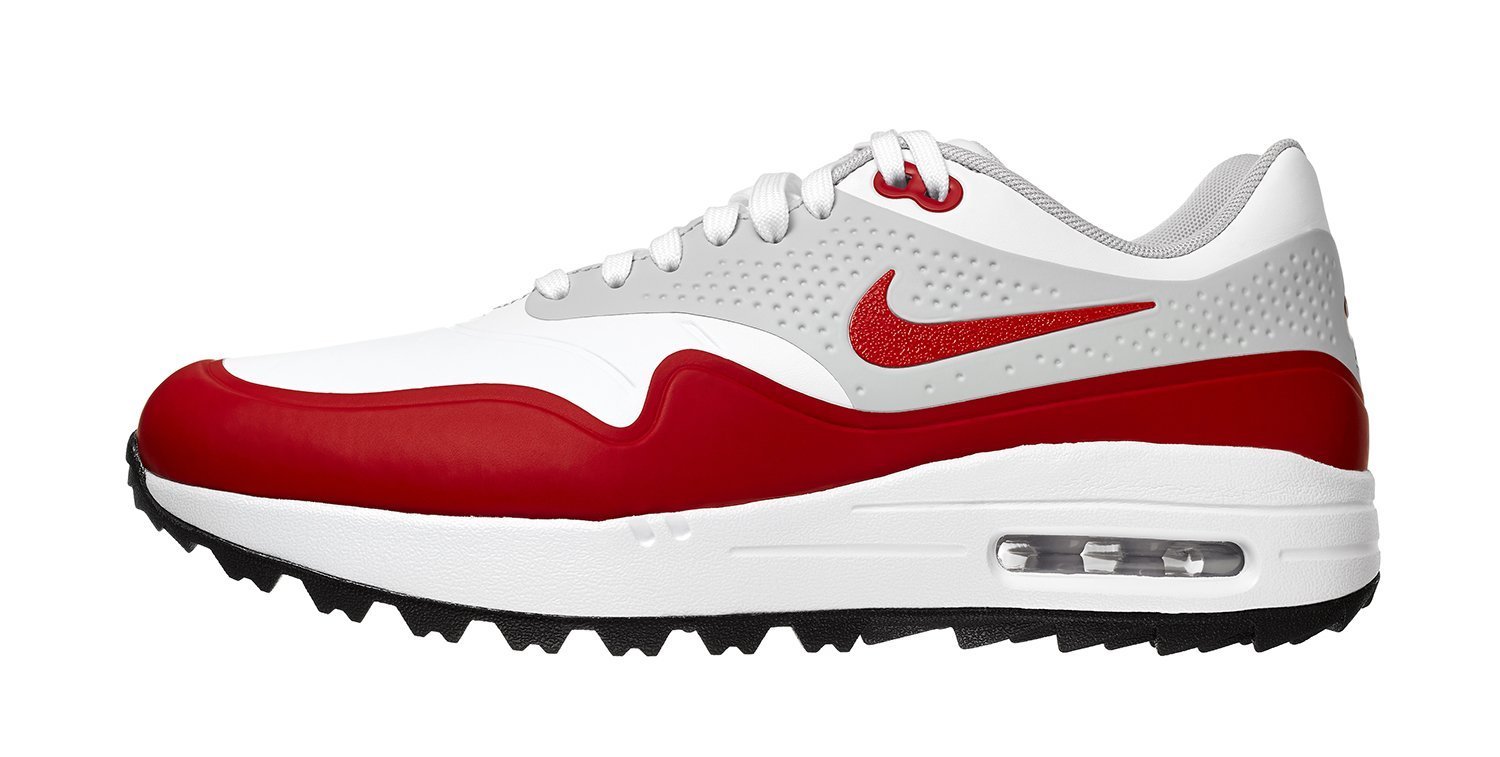
The still-life versus on-model question is one of the most consequential decisions in fashion production, and one of the most poorly answered.
Most brands default to on-model for almost everything because that is what the industry has done historically. The cost lands in places that are hard to track: longer production days, larger crews, model fees, agency commissions, fitting time. The conversion benefit, where it exists, often goes unmeasured.
This guide is a practical comparison for fashion brand and creative leads scoping their imagery mix. It is about what each format costs, where each converts, and when the right answer is to use both for different parts of the same launch.
What still-life and on-model actually cost
Production cost varies enormously by complexity, but the underlying structure is consistent.
Still-life production. Studio booking, photographer day rate, assistant, stylist, prep team, retouch. No model fees, no model agency commissions, no fitting time, no model logistics. The lighting is usually controlled and consistent across SKUs, which compounds capture efficiency.
On-model production. Studio or location booking, photographer day rate, assistants, stylist, hair and makeup, model fees, model agency commissions, possibly a casting fee. Fitting time before the shoot. Often higher rates for models that fit the brand’s positioning. Lighting that varies more across looks, which slows capture.
For a typical 25-SKU shoot, on-model production lands somewhere between 60% and 200% more expensive than still-life production for the same SKU coverage, depending on model rates and crew size. The variance is significant.
This is not an argument that still-life is always better. It is an argument that the cost differential should be reflected in the asset matrix decision rather than absorbed unconsciously.
What each format converts on
Conversion data on still-life versus on-model varies by category, by price point, and by customer journey stage. The patterns that hold:
On-model converts best when fit is part of the buying decision. Dresses, structured outerwear, body-conscious pieces, tailored suiting. The customer needs to see the garment on a body to picture themselves in it.
Still-life converts best when material, finish, or construction is the buying decision. Knitwear, accessories, heritage pieces, statement materials. The customer needs to see the surface, the detail, the craft.
Both convert similarly on basics. Plain t-shirts, simple knit, accessories with single dominant features. The format choice is a brand-positioning decision rather than a conversion-driven one.
On-model converts better on lifestyle-led brands. Brands selling a customer identity, an aspiration, a community. The model is part of the brand expression.
Still-life converts better on product-led brands. Brands selling a material story, a heritage, a craft proposition. The product is the brand expression.
Most brands fall somewhere between the two poles, which means most brands should be using both formats for different parts of their range.
The four-quadrant decision framework
Most launches fall into one of four quadrants. The right format mix follows the quadrant.
Listing-led, fit-critical. The customer enters through a marketplace or category page and is buying a garment where fit matters (most apparel). On-model leads, still-life supports.
Listing-led, fit-secondary. The customer enters through a category page but is buying a piece where fit is less critical (accessories, basics, knitwear). Still-life leads, on-model in the lookbook layer.
Brand-led, fit-critical. The customer enters through campaign content and is buying tailored or structured pieces. On-model heroes, still-life supports the deep-scroll and the macro detail.
Brand-led, fit-secondary. The customer enters through editorial work and is buying material-led pieces. Still-life heroes with editorial atmosphere, on-model in the campaign work but not always at PDP.
Most launches contain pieces from at least two quadrants. The asset matrix should respect that mix rather than defaulting to a single format across the range.
Where teams overspend on on-model
The most common scoping mistake on fashion shoots is over-investing in on-model relative to its commercial job.
A 30-SKU accessory drop shot entirely on-model costs significantly more than the same drop shot still-life, with marginal conversion benefit. The budget that went to model fees, casting, hair, and makeup did not earn its return.
A 50-SKU basics range shot entirely on-model produces a category page where the customer’s attention is on the models rather than the products. The model variation across the page adds visual noise that competes with the product comparison the customer is actually trying to do.
A heritage knitwear range shot entirely on-model misses the macro material work that is the commercial driver. The customer sees how the sweater looks on a body but cannot see the stitch, the yarn, the craft.
The corrective in each case is to split the asset matrix by piece type. Hero pieces that genuinely need on-model treatment get it. Supporting pieces and material-led pieces get still-life. The total spend per launch drops and the asset coverage improves.
Where teams overspend on still-life
The reverse problem is rarer but real.
A capsule of body-conscious knit dresses shot entirely still-life loses the customer who needs to see how the piece sits on a body. Returns increase. Conversion drops.
A campaign-led launch with no on-model imagery undersells the brand’s emotional proposition. The campaign material is technically beautiful but commercially flat.
A retailer launch where on-model imagery is part of the retailer’s category convention (Selfridges, Net-a-Porter) underserves the placement opportunity.
The corrective is to identify the pieces where on-model genuinely earns its place and budget for those. Not the whole range; just the pieces where the format matters.
How to brief both formats in a coordinated production
For launches that need both, the production usually benefits from being planned as one programme rather than two separate shoots.
The pattern that works:
The asset matrix lists every required output, by format. The still-life requirements are clear. The on-model requirements are clear. Each piece in the collection is mapped to one or both.
The production days are sequenced to maximise lighting and crew efficiency. Still-life days first, often, because the still-life captures inform the on-model styling. The on-model day comes second, with the looks built from the styling reference established in the still-life work.
The retoucher works to a master direction that holds across both formats. Still-life and on-model imagery from the same launch should read as the same brand, even though the production approaches differ.
The delivery folder structure reflects both formats with consistent naming and clear separation. The brand’s downstream teams (e-commerce, paid social, PR) can navigate the assets without translation.
When the answer is genuinely one or the other
There are launches where the answer is clear.
Pure still-life launches: heritage accessories ranges, hard-goods homewares, jewellery, watches, leather goods, fragrance, beauty. The format is right for the category.
Pure on-model launches: bridal, formal wear, swimwear, body-conscious tailoring, model-driven editorial campaigns. The fit and the body matter too much to skip.
Most launches sit between these poles, with the right answer being a mix.
If you are scoping a fashion launch and unsure whether your format mix is right for the customer journey, share the SKU list and the channel plan and we will tell you the format allocation that earns its budget. We work across fashion photography and e-commerce photography at the Bankside studio.
Share your brief. We will come back the same day.