

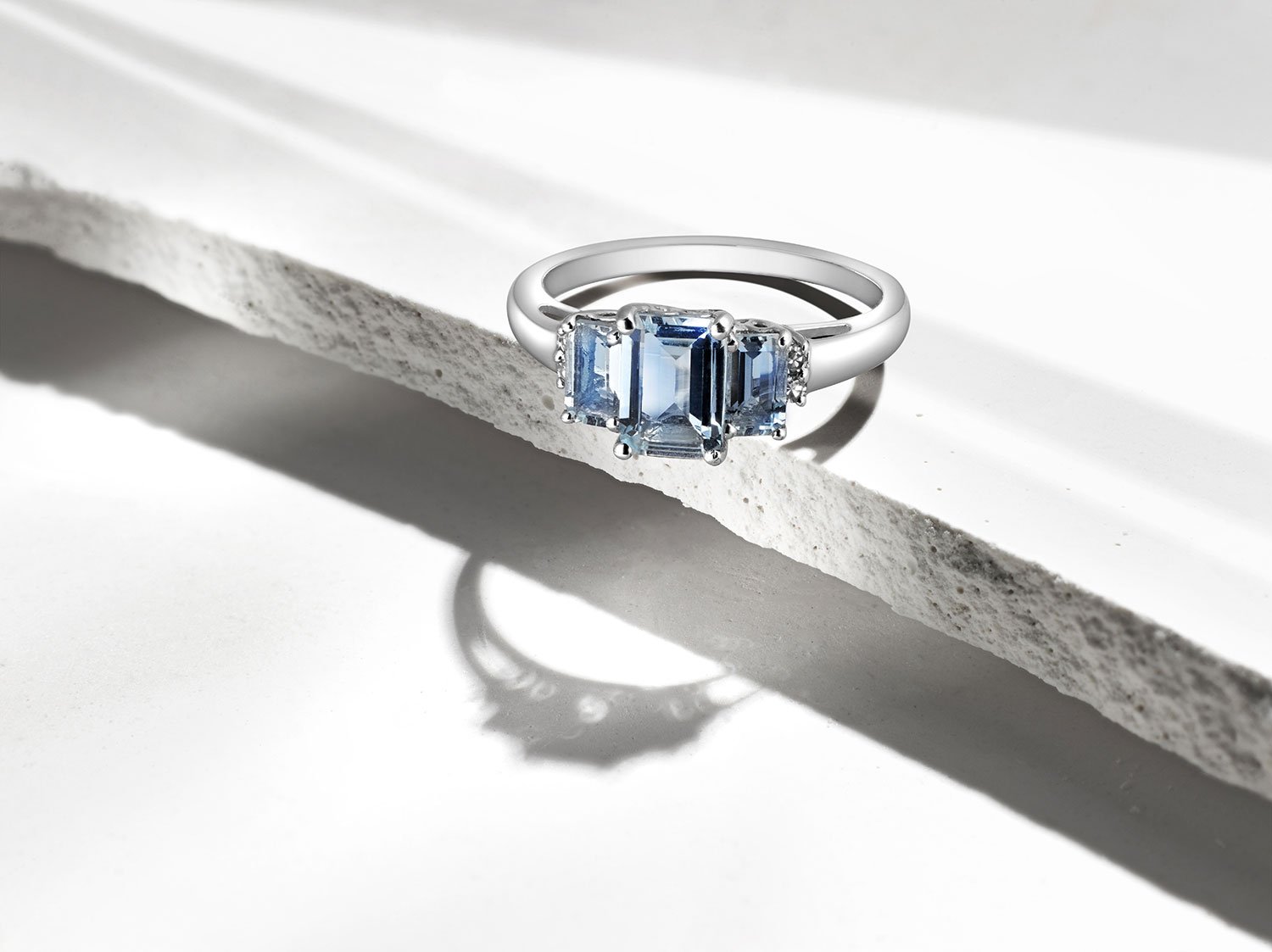
High-jewellery and couture pieces sit in a category of their own.
These are not standard production jewellery items. They are often unique or near-unique, frequently valued in six or seven figures, sometimes carrying historical or provenance significance, and almost always destined for specific commercial moments: auction sale, museum acquisition, brand campaign launch, or significant press placement.
The photography for these pieces has to support the commercial moment. Generic jewellery photography conventions are insufficient. The work requires specialist craft, specialist handling, and an asset matrix calibrated for the specific use.
This guide is for auction houses, jewellery brands managing high-jewellery launches, dealers handling significant pieces, and press teams commissioning photography for couture jewellery. It is about how the production differs from standard work, what each use case requires, and what to brief.
What high-jewellery and couture mean
The category covers several distinct types of work.
Brand high-jewellery collections. Maison-level pieces from major houses (Cartier, Boucheron, Van Cleef & Arpels, Chopard). Limited production, signature designs, often using significant stones.
Bespoke commissions. Pieces created for specific clients, often to client specifications. Unique pieces that exist only in single examples.
Historical and important pieces. Vintage and antique high-jewellery with provenance significance. Often appearing in auction sales of significant collections.
Press launch pieces. Pieces released as part of major brand moments, often shown to press before becoming commercially available.
Museum-quality pieces. Items either currently or potentially in museum collections, requiring photography that meets institutional documentation standards.
Each category shares the common characteristic of being a major piece warranting major photographic investment.
The auction catalogue context
Auction houses photograph significant pieces for two distinct purposes.
The catalogue. The full printed and digital catalogue accompanying the sale. Imagery here serves the descriptive function, supporting the lot description and condition report with photographic evidence.
The marketing. Pre-sale marketing materials, press distribution, online preview, social media. Imagery here serves the demand-generation function, building interest in the sale.
Both purposes require imagery of the piece, but the register and the asset matrix differ.
Catalogue imagery prioritises clarity, accuracy, and documentation completeness. Multiple angles, scale references, detail macros, hallmarks, and any signature or maker’s marks. The customer (often a bidder or their advisor) studies the catalogue to make purchase decisions.
Marketing imagery prioritises emotional resonance, aesthetic impact, and editorial register. The customer (the broader audience the auction wants to reach) is engaged by visual appeal as much as by descriptive completeness.
A specialist auction-house jewellery photographer delivers both registers from coordinated production. Auction houses commissioning external photography should specify which use is being supported in the brief.
Press distribution for high-jewellery launches
Brand high-jewellery launches typically have substantial press distribution programmes.
The watch press, the jewellery press, the broader luxury press, and increasingly the social-media coverage all rely on imagery the brand supplies. Strong press distribution earns coverage; weak distribution loses it.
The press distribution package for a high-jewellery launch:
Editorial heroes. Five to ten high-resolution hero compositions suitable for full-page magazine layout or extended digital feature. Each piece in the launch typically receives at least one editorial hero.
Detail macros at press resolution. Stone close-ups, setting detail, signature elements, hallmarks. Press-resolution exports.
Designer portraits and brand context. Where the launch has a designer story, portraits of the designer or design team support feature interviews.
Brand story documentation. Press release, brand narrative, design inspiration documentation that journalists can build features around.
Worn imagery where the brand has shown the pieces being worn. Some high-jewellery launches include lifestyle context; others keep the pieces in isolation. The brand’s positioning dictates.
Image usage rights specification. Clear statement of what is granted, what is restricted, and what credit is required.
The high-jewellery press distribution is often planned six to twelve months before the launch, with the photography scheduled to support the press timeline.
The technical demands of high-jewellery photography
Photographing pieces at this level has specific technical requirements.
Macro capability at extreme close-in. Major stones in high-jewellery pieces deserve macro work that reveals their character at the finest level. The studio’s macro capability and the lighting setup for extreme close-in work matter.
Polarising techniques for complex pieces. Pieces with multiple reflective surfaces, multiple stone types, and intricate metal work benefit from polarising techniques that manage reflections without flattening the work.
Composite work for compositions that single captures cannot deliver. Some high-jewellery compositions require combining multiple captures (one optimised for the central stone, one for the surrounding stones, one for the metal). Composite skill is part of the studio’s required capability.
Colour calibration across stone types. Pieces combining multiple stone types (diamonds, rubies, sapphires, emeralds in a single piece) require colour calibration that respects each stone’s true colour while maintaining overall image coherence.
Resolution sufficient for auction catalogue and press resolution. Major auction catalogues print at high resolution. Press distribution requires high-resolution exports. The capture resolution has to support these uses.
A specialist studio working on high-jewellery maintains all of these capabilities. A studio without them produces work that may look acceptable on a website but fails when scaled to print or scrutinised at high resolution.
Handling and security at this level
High-jewellery pieces often warrant security and handling at the highest level.
Insurance considerations. Pieces valued in significant six or seven figures require photography-specific insurance. The brief should specify the value and the insurance arrangements.
Custodian presence. Often non-negotiable. A representative from the brand, the auction house, or the owning party attends the photography session.
Secure transit. Pieces should travel under appropriate security protocols. The studio may need to accommodate specific transit and delivery requirements.
Restricted handling. Some pieces have specific handling restrictions (no direct skin contact during photography, specific cleaning procedures, specific storage requirements). The studio’s protocols should accommodate these.
Time-limited access. Pieces are often available to the studio for only the photography session, requiring efficient production that captures everything needed within the available window.
Documentation requirements. The piece’s movement from storage to studio to return is often documented in writing for insurance and custody purposes.
A specialist studio working on high-jewellery has these protocols established and can accommodate the brand’s or auction house’s specific requirements.
The asset matrix for a high-jewellery commission
A typical asset matrix for a single high-jewellery piece:
Hero composition. The lead image showing the piece in its primary presentation. Often the catalogue cover and the press distribution lead.
Three to five secondary angles. Showing the piece from different directions, revealing construction and proportion.
Stone macros. For pieces with significant stones, dedicated close-ups of each major stone showing clarity, colour, and setting.
Setting and construction detail. Close-in shots of the metalwork, the prong work, the back of the setting, any visible construction.
Hallmark and signature documentation. Maker’s marks, brand stamps, hallmarks, any provenance markings.
Worn imagery where applicable. For pieces shown worn during the launch or auction preview, on-model imagery.
Side and profile views. Showing the depth, the wearable position, the structural integrity.
Composition for press distribution. Editorial-register compositions distinct from the catalogue documentation work.
For a hero piece, this represents 20 to 40 deliverable images, captured in one to two production days depending on complexity. For a launch of multiple pieces, the matrix scales accordingly.
Briefing notes for high-jewellery photography
The strongest briefs we receive for high-jewellery and couture photography:
The piece details including stone specifications, metal types, construction notes, and any provenance information. The intended use across auction catalogue, press distribution, brand archive, and any other downstream uses. The handling, security, and custodian requirements. The brand’s or auction house’s existing photography references for tonal consistency. The publication and rights specifications.
What does not need to be in the brief: detailed lighting instructions or attempts to specify the production technically. Those are the studio’s decisions.
If you are an auction house, a brand managing a high-jewellery launch, a dealer handling significant pieces, or a press team commissioning photography for couture jewellery in London, share the piece details and the commercial context and we will plan the production around the unique requirements. We work across jewellery photography, watch photography, and creative photography at the Bankside studio.
Share your brief. We will come back the same day.