

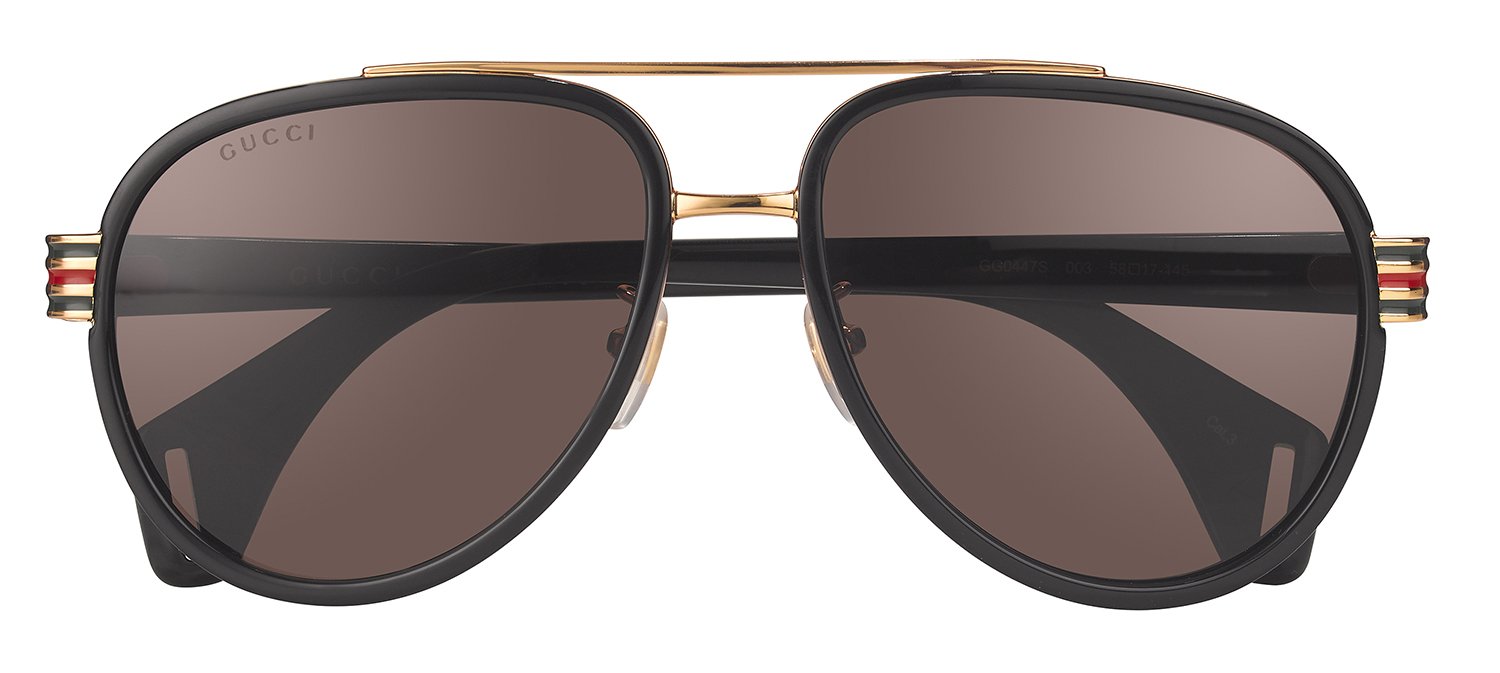
Fashion accessories are some of the highest-margin pieces in any brand’s range, and some of the hardest to photograph well.
A sunglass frame, a belt, a small leather wallet, a card holder, a keyring, a phone case. Each is a small object carrying a brand’s identity through hardware, finish, material, and proportion. The customer often pays £150 to £400 for a piece smaller than their hand, and the photography has to communicate why.
This guide is for fashion and luxury brand teams commissioning accessories photography in London. It is about how a specialist studio approaches the work across three of the most commercially important accessory categories, and what to brief differently from handbags or shoes.
Why accessories are their own brief
Accessories share some demands with bags and shoes (the customer cares about hardware, material, finish) but have specific constraints that other fashion categories do not.
The objects are small. Scale becomes a commercial decision in the composition. Photographed too tight, the accessory loses context. Photographed too loose, it loses presence.
The brand markings often live in tiny detail. A logo embossed on a wallet’s interior, a hallmark stamped on a belt buckle, a brand etching on a sunglass arm. The macro work matters more here than in larger categories.
The buyer often makes the purchase decision on a single dominant feature. A specific frame shape on sunglasses. A specific buckle on a belt. A specific card configuration in a wallet. The photography has to lead with that feature.
The pricing position is often higher per square centimetre of product than any other fashion category. A £280 silk pocket square is paying for something the photograph has to communicate.
Sunglasses: lens reflection, frame finish and scale
Sunglasses photography fails most often on three things.
Lens reflection. Sunglass lenses are reflective surfaces. Without controlled lighting, the lenses pick up the studio environment and the customer sees the photographer or the lighting kit in the reflection. The lighting setup uses controlled enclosures and careful flag placement to manage what reaches the lens surface.
The lens itself is a creative decision. Some brands prefer no reflection at all (achieved through polarising techniques or composite work) for a clean read of the frame shape. Others prefer a soft gradient reflection that signals the lens material. The brand’s existing campaign work usually tells the studio which approach to match.
Frame finish. Acetate, metal, titanium, wood, recycled materials. Each behaves differently under light. Acetate has a deep, layered finish that needs directional light to bring forward. Metal frames have reflection management problems similar to jewellery. Wood and unconventional materials need lighting that respects their character without exaggerating it.
Scale reference. Sunglasses photographed in isolation tell the customer almost nothing about how they will fit. A pair photographed on a flat surface with no scale reference could be oversized aviators or small wire frames. The asset matrix should include either a hand model shot, a face-shape reference, or a comparative composition that helps the customer judge the actual size.
The angles that sunglasses need
A standard sunglasses PDP works through a predictable sequence.
The hero front-on, showing the frame shape clearly. This is the silhouette the customer recognises.
The three-quarter angle, showing the frame, the temple arms, and the lens depth. This is the most informative single angle.
The pure side profile, showing the temple arms, the hinge, and any brand etching on the arm.
The folded view, showing the sunglasses in their closed state. This signals how the piece will sit in the case or in the customer’s bag.
A scale or context shot, showing the sunglasses against a reference that communicates size.
For brands with distinctive lens technology, a lens detail. For brands with distinctive hinge engineering, a hinge close-up.
Most luxury sunglass PDPs use four to seven images. Lower price-point sunglass PDPs use three to four. The brief should specify which based on the brand’s commercial register.
Belts: buckle, leather and length
Belts photography organises around three commercial drivers.
Buckle. The buckle is the belt. The customer judges the entire piece by it. A horsebit, a logo-engraved plate, a turn-lock, a roller buckle. Each has its own visual signature. The asset matrix should include a dedicated buckle macro for any hero piece. The lighting on the buckle is often more demanding than on the leather, particularly for branded metal hardware that needs reflection management.
Leather quality. The leather is what the customer feels through the buckle’s authority. Grain, finish, edge work, stitching. A close-in macro shot of the leather surface tells the customer about the material quality the price tag promises. For full-grain, hand-finished, or unusual leathers (croc, lizard, exotic), the macro work earns its place doubly.
Length and proportion. A belt photographed in isolation often loses its length context. The asset matrix should include either a full-length composition that shows the belt’s actual proportion or a worn shot that gives scale through the wearer.
The hero composition for a belt is usually a styled flat-lay with the belt coiled or arranged in a recognisable shape. The buckle is the focal point, the leather flows from it, and the strap’s length is suggested through the composition. Side-by-side belt photography that shows a range together works well for category landing pages.
Small leather goods: texture, hardware and scale
Wallets, card holders, phone cases, keyrings, coin purses, passport holders. Small leather goods are the highest-margin accessories most brands sell, and the most photographically demanding because they pack hardware, branding, material, and construction into very small objects.
Texture. A close-in macro shot of the leather surface communicates material quality. For grained leather, full-grain finish, or speciality materials, the macro is part of the brand’s commercial argument. Lighting that respects the grain without flattening it.
Hardware. Snap closures, zip pulls, branded plates, lining hardware. The macros need careful reflection management because small leather goods often pack hardware tightly against contrasting leather.
Interior. Wallets and card holders sell on their interior layout. The number of card slots, the change pocket configuration, the note compartment, the lining material. A dedicated interior shot in the asset matrix is non-negotiable for these pieces.
Scale. Small leather goods are often photographed close-in for hero composition, which loses scale information. A separate composition with the piece in hand, or alongside a reference object (a phone, a passport, a coin), gives the customer the size context they need.
Compositional choices: scale, prop, surface
Accessories photography has more compositional latitude than larger fashion categories because the pieces are small enough to compose deliberately rather than just place against a background.
Scale-led composition. The accessory occupies a deliberate proportion of the frame, with negative space around it that signals premium. Luxury brand defaults often live here.
Prop-led composition. The accessory sits alongside complementary objects (a wallet beside a pen and notebook, sunglasses beside a folded shirt, a belt beside a pair of trousers) that suggest the lifestyle context. Lifestyle-led brand defaults often live here.
Surface-led composition. The accessory is placed on a deliberate surface (marble, suede, brushed steel, raw wood) that contributes to the brand’s tonal register. Editorial-led brands often live here.
The brief should specify which compositional approach the launch is using, because each requires different production time and different on-set choices.
Briefing notes for an accessories shoot
The strongest accessories briefs we receive include:
The piece list with material, hardware, and finish notes per item. The compositional approach (scale-led, prop-led, or surface-led) for the launch. The asset matrix per piece, with macros specified where they matter commercially. Reference imagery from the brand’s existing campaign work. Sample shipping logistics, especially for samples that need handling care.
What does not need to be in the brief: lighting instructions or specific camera positions. Those are the studio’s decisions.
If you are commissioning accessories photography in London for a fashion or luxury launch, send the piece list and we will plan the production around the range. We work across fashion photography and creative photography at the Bankside studio.
Share your brief. We will come back the same day.